


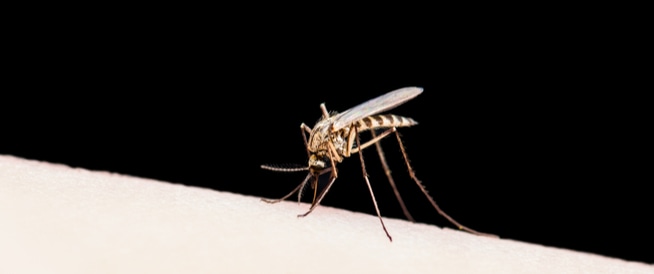
Malaria is a serious, life-threatening disease transmitted through the bites of infected mosquitoes.
These mosquitoes carry a parasite that invades and destroys red blood cells.
Leading to the symptoms of Malaria that vary from high fever and severe chills to more severe, life-threatening complications.
Fortunately, malaria is both treatable with medication and preventable through protective measures like insect repellents and insecticides.
This guide will walk you through the essential information you need to know about the symptoms of Malaria, causes, and the best treatments.
What Are the Symptoms of Malaria?
Symptoms of malaria typically appear within 10 to 28 days after being bitten by an infected mosquito.
The most common signs to watch for include:
- Moderate to severe shaking chills
- High fever
- Excessive sweating
- Persistent headache
- Nausea and vomiting
- Abdominal pain
- Diarrhea
- Muscle pain
- Constant fatigue and exhaustion
- Jaundice (yellowing of the skin and the whites of the eyes)
- Blood in the stool
- Chest pain and coughing
- Difficulty breathing
- Rapid heart rate
- Confusion or sudden changes in behavior
- Seizure-like convulsions
- Anemia
Read also: Learn How Chatbots Like ChatGPT Operate – 5 Surprising Facts
The Malaria Cycle: A Pattern of Symptoms
Malaria symptoms often occur in cycles.
A typical attack begins with shivering and chills, followed by a high fever, and then intense sweating as the body’s temperature returns to normal.
These cycles can last 6-10 hours and may repeat every two days.
How is Malaria Transmitted? Understanding the Cause
Malaria is caused by a single-celled parasite known as Plasmodium.
This parasite is transmitted from one person to another through mosquito bites in the following steps:
- A mosquito becomes infected by biting a person who already has malaria.
- The infected mosquito then bites a healthy person, transferring the parasite into their bloodstream.
- The parasite travels to the liver, where it can remain dormant for up to a year in some cases.
- Once mature, the parasite leaves the liver and begins to multiply within and attack red blood cells, which triggers the classic symptoms of malaria.
Is Malaria Contagious?
No, malaria is not contagious in the way a cold or flu is.
However, since the Plasmodium parasite is found in the blood, it can be transmitted through:
- From mother to fetus during pregnancy or childbirth.
- Blood transfusions from an infected donor.
- Sharing needles contaminated with infected blood.
Who is at Risk for Malaria?
Certain factors increase the risk of contracting malaria and developing serious complications:
- Living in or traveling to tropical and subtropical areas.
- Young children and infants.
- Older adults.
- Pregnant women.
- Individuals with a weakened immune system, such as those with HIV/AIDS or taking certain medications.
Potential Complications: Are the Symptoms of Malaria Dangerous?
Yes, if left untreated, malaria can become severe and lead to life-threatening complications.
These include:
- Cerebral Malaria: Infected red blood cells can block the small blood vessels in the brain, causing swelling, brain damage, and potentially a coma.
- Breathing Difficulties: Fluid can accumulate in the lungs (pulmonary edema), making it hard to breathe.
- Organ Failure: The disease can cause the kidneys, liver, or spleen to fail. These conditions can be fatal if not treated promptly.
- Severe Anemia: The destruction of red blood cells can lead to severe anemia.
- Hypoglycemia: Severe forms of malaria can cause a sharp drop in blood sugar, which can lead to a coma or death.
Diagnosing the Symptoms of Malaria: What to Expect
To diagnose malaria, your doctor will likely perform the following:
- Physical Exam: The doctor will check for signs like an enlarged spleen or liver and jaundice.
They will also ask about your symptoms and recent travel history. - Blood Tests: A blood sample is the only way to confirm a malaria diagnosis.
Blood tests can identify the presence of the Plasmodium parasite in your blood and determine which type of malaria you have, which is crucial for choosing the right treatment.
Effective Treatments for Malaria
Treatment is determined by several factors, including the type of Plasmodium parasite, symptoms of Malaria severity, and your body’s response to medication.
Commonly prescribed medications for malaria include:
- Chloroquine: Once the primary treatment, its effectiveness has diminished in some regions due to parasite resistance. Brand names include Plaquenil.
- Artemisinin-based combination therapies (ACTs): These are now the standard treatment in many parts of the world.
They combine two or more drugs, such as artemether and lumefantrine (Coartem) or artesunate and mefloquine. - Other Medications: These may include atovaquone (Malarone), doxycycline (Vibramycin), or mefloquine.
Can you be cured of malaria?
Yes. With proper treatment, these medications effectively kill the parasite. Full recovery from malaria typically takes about two weeks.