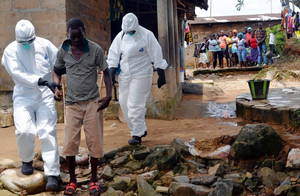


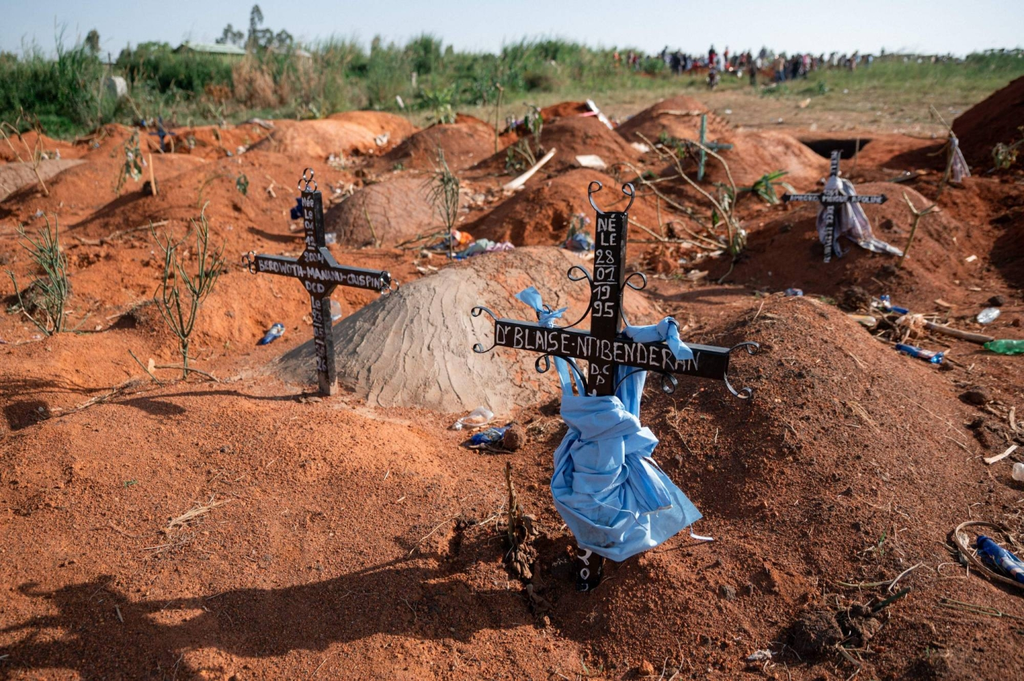
Ebola virus outbreak spreads rapidly across communities in the Democratic Republic of Congo as total deaths exceed two thousand five hundred people according to urgent warnings from United Nations officials. Half of these recorded fatalities happened within the last twenty days showing a dramatic spike in transmission rates across affected territories. Humanitarian workers stationed in Bunia report that current aid funding will run out in just a few weeks if international donors do not step in immediately. Medical teams on the ground struggle to keep up with the overwhelming number of sick patients arriving at clinics daily.
Read Also: Autoimmune Disease Causes: What You Don’t Know
Ongoing armed conflict and three decades of instability make health responses extremely difficult for field workers trying to reach rural villages. Over two hundred sixty targeted attacks against healthcare workers have occurred over the past six months resulting in several deaths and damaged equipment. Angry residents driven by fear and false rumors have attacked ambulances and isolation centers making emergency work very dangerous. Fragmented public services and severe budget cuts from foreign partners have pushed the regional healthcare system to a complete breaking point.
Why Ebola virus outbreak spreads rapidly despite ongoing international relief efforts
Ebola virus outbreak spreads rapidly because aid groups face severe safety threats active conflict zones and widespread misinformation among local populations. Many families reject official safety guidelines and traditional burial restrictions leading to unintended contact with infected bodies.
Key reasons behind the escalating crisis include:
- Ebola virus outbreak spreads rapidly due to persistent attacks on medical vehicles and field clinics
- Active armed groups block healthcare access to remote villages experiencing high infection rates
- Widespread rumors lead local communities to distrust official health workers and isolation facilities
- Depleted emergency funds prevent humanitarian groups from hiring enough local medical staff
Dozens of doctors and nurses have caught the disease while caring for patients under poorly equipped conditions. When local clinics lack basic protective gear health personnel face extreme risks on every single shift. The loss of experienced medical workers weakens public health defenses even further during critical moments.
Read Also: Ebola Outbreak Crisis: Will It Threaten Public Health in DR Congo?
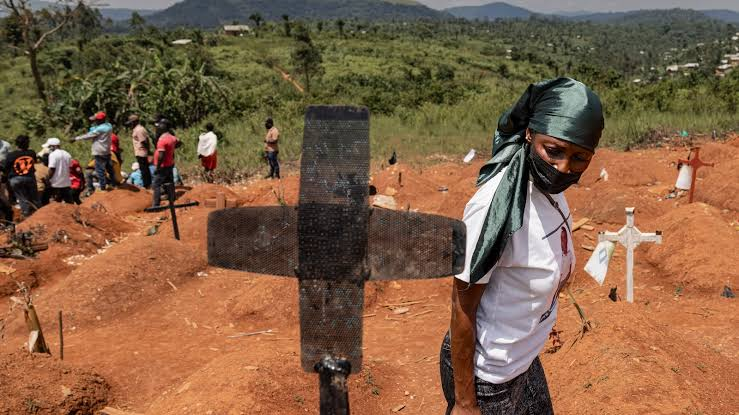
Ebola virus outbreak spreads rapidly as local fear turns into open hostility against aid teams trying to manage safe burials. Denying families the right to conduct traditional funeral practices creates deep anger and sparks protests across regional towns. Emergency coordinators urge global institutions to send direct financial support and protective supplies immediately before response operations collapse entirely.
Read Also: Artificial Sweetener Risks: Can They Harm Brain Power?
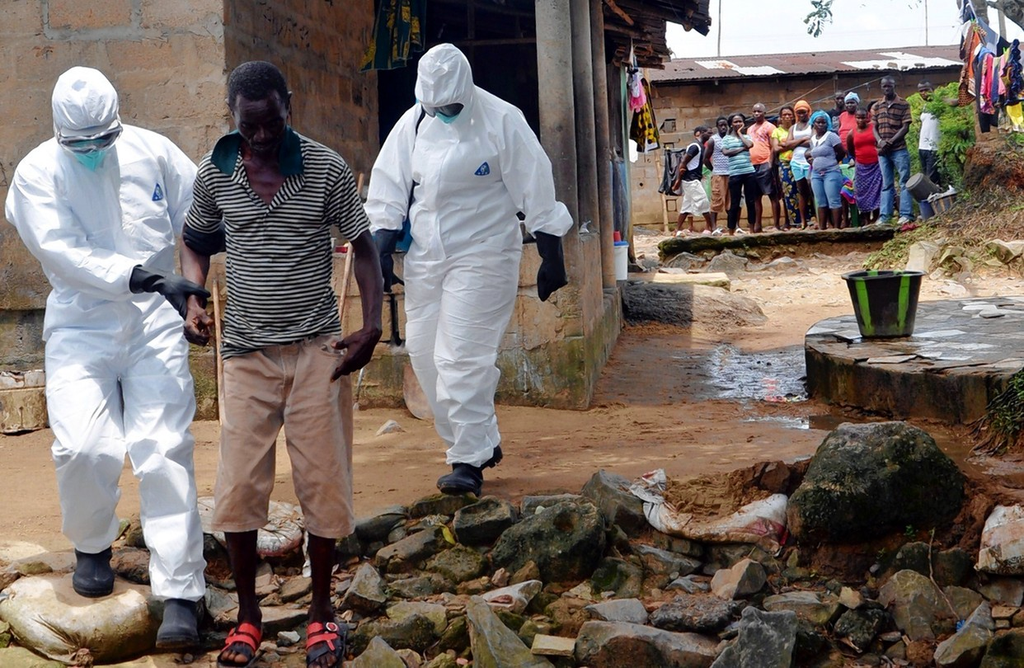
Rebuilding trust between medical staff and local communities remains the most important step for stopping further transmission. Public health experts must work closely with village elders to explain safety procedures without disrespecting local customs. Without sustained international aid proper security for doctors and active community cooperation the disease will continue overwhelming fragile health systems across the entire nation.