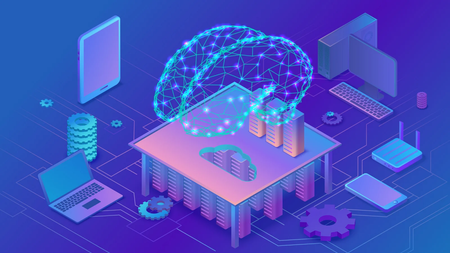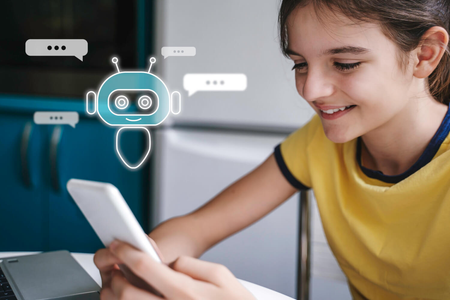



Smart tech systems are becoming a huge part of our daily lives but no one really knows who should take responsibility when these advanced programs make bad choices. Today we use automated software to help doctors find diseases to help banks decide who gets a loan and even to drive cars down the street. But when a computer program makes an error that hurts a real person the big tech companies often say it was just a random glitch in the code. This lack of responsibility means that smart tech systems are slowly escaping real punishment because our old laws were never built to handle thinking machines. If we do not fix this legal gap quickly these powerful tools will keep operating in a grey area where regular people have no way to defend their rights.
Read Also: How Future AI Growth Is Reshaping Jobs Without Layoffs
The Big Legal Puzzle Behind Computer Errors
When a human worker makes a massive mistake at their job everyone knows exactly who to blame and how to fix the problem legally. But when you are dealing with deep learning algorithms the line between human choices and machine choices becomes completely blurry.
- The Black Box Problem: Modern computer programs learn by looking at millions of examples and they often make decisions that even their own creators do not understand.
- Blaming the User: Many software companies argue that the person operating the machine is the one who should have double checked the final results.
- Lack of Clear Laws: Most government legal systems around the world do not view a piece of software as a person that can be taken to court.
Because of these complicated issues smart tech systems often get a free pass when things go wrong in hospitals or financial offices. The creators get to make a lot of money from selling the technology but they rarely have to pay for the damages when the software fails.

Why Developing Smart Tech Systems Requires Real Human Governance
If we want to protect our society we must change how we monitor the development of these digital tools before they control everything.
Read Also: 5 AI tech risks: How smart software affects young people?
We cannot allow engineers to just build powerful tools without setting up strict safety rules and clear lines of blame from the very first day. When a company deploys smart tech systems in a public space they should be legally forced to explain exactly how the machine reaches its conclusions. If the software shows bias against certain groups of people or causes a physical accident the business that profits from the tool must pay the fines. Using smart tech systems without human supervision is like letting a car drive around a busy city with no steering wheel and no brakes.
The Danger of Giving Too Much Power to Algorithms
As these tools get smarter they are starting to handle very sensitive tasks like judging criminal records or managing city power grids. Giving this much control to smart tech systems without a strict backup plan is extremely dangerous for the future of our communities.
A Warning From Social Experts: Computers do not have feelings or a moral compass so they will always choose numbers and efficiency over human kindness and fairness.
If a machine cuts off someone’s electricity or puts an innocent person in jail by mistake we cannot just accept it as a technological accident. We need real humans who can step in override the machine and take full responsibility for the final outcome.
Creating a Safer Digital Future For Everyone
In conclusion we are running out of time to build a fair legal system that can control the rapid growth of modern software. We must stop pretending that smart tech systems are just harmless office tools that do not need regular laws or government oversight.
Read Also: How AI Scamming Tools Are Changing the Online World

Both politicians and tech leaders need to work together to write new rules that put human safety above corporate profits. If we continue to let smart tech systems run without any real accountability we will end up living in a world controlled by invisible codes that no one can challenge. Let us make sure that human wisdom always stays in charge of every single smart tech systems project so technology remains a helpful partner instead of an untouchable boss.