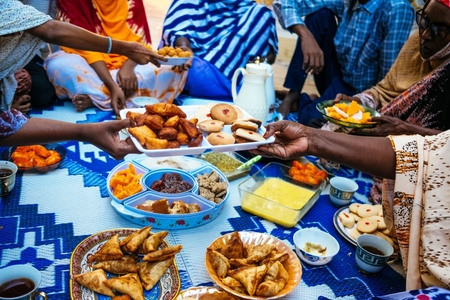



Somali food traditions are a massive part of daily life and identity for people living in the Horn of Africa. Every single meal tells a story about the history of the land the movement of nomadic tribes and the deep connection to nearby trading partners. When you sit down to eat with a local family you are not just consuming calories you are participating in a beautiful ritual that has been passed down for thousands of years.
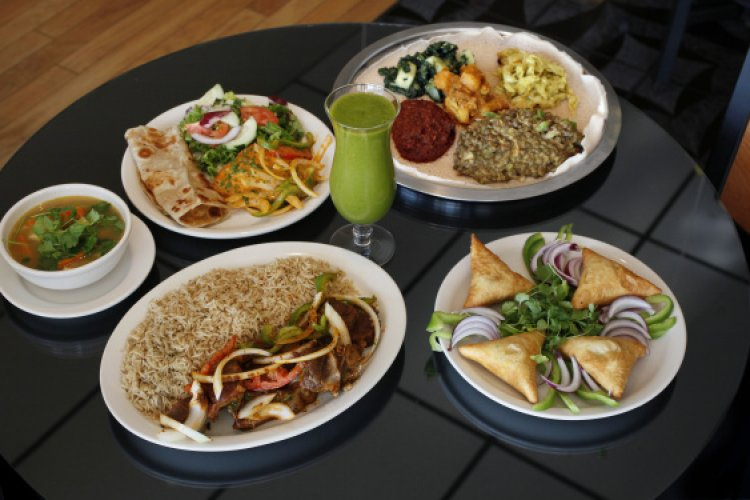
From the aromatic spices used in everyday rice dishes to the specific way meat is prepared for huge wedding parties these customs show how deeply rooted the society is in hospitality. It is easy to see that Somali food traditions act as the ultimate social glue that brings communities together during both happy and difficult times.
Read Also: Somali Visual Arts Reflect Cultural Heritage and Modern Life
The Daily Staples of the Nomadic and Coastal Lifestyle
To truly understand why these cooking habits are so special you have to look at how people lived in the past. The majority of ancestors were nomads who traveled long distances with their camels goats and sheep looking for fresh grass and clean water. Because of this moving lifestyle the ingredients had to be simple durable and highly nutritious.
- Camel Milk and Meat: This is the absolute foundation of the traditional diet providing energy for long journeys across the hot desert sand.
- Canjeero or Laxooh: A delicious spongy flatbread made from fermented batter that looks like a thin pancake and is eaten almost every morning.
- Bariis Iskukaris: A famous spiced rice dish cooked with garlic onions cardamom cumin and cloves that shows the historic influence of Indian Ocean trade routes.
For breakfast most families will break apart some fresh canjeero and mix it with clarified butter and sugar or dip it into a rich meat stew.
This simple meal gives workers and schoolchildren enough energy to last for many hours. The careful preparation of these specific items proves that Somali food traditions are heavily focused on making the most out of the natural resources available in the environment.
How Somali Food Traditions Shape Big Celebrations and Holidays
No festival wedding or religious holiday is complete without a massive feast that takes hours or even days to prepare. Hospitality is a sacred rule in the culture and if a guest walks into your home you must offer them the absolute best food you have even if you are not wealthy.
During Eid celebrations families gather to cook huge platters of rice topped with tender pieces of roasted goat or camel meat.
They also bake sweet treats like Xalwo which is a sticky sweet confection made from sugar cornstarch oil and spices that requires constant stirring over a hot fire. Sharing these heavy platters with neighbors and poor people is a key part of the festive spirit. This generous sharing shows that Somali food traditions are not just about feeding your own household but ensuring that the entire neighborhood feels looked after and happy.
Read Also: Why Traditional Cultural Values Still Matter in Modern Society
The Evolution of Cooking Habits in Modern Cities
As more people move away from the countryside into big modern cities like Mogadishu or Hargeisa the way people cook is changing a little bit but the core values remain exactly the same. Young people who live in the diaspora across North America or Europe are also finding creative ways to keep their heritage alive.
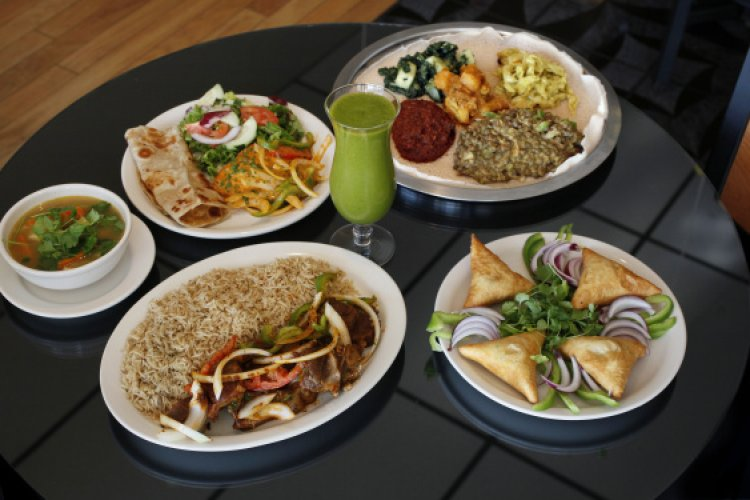
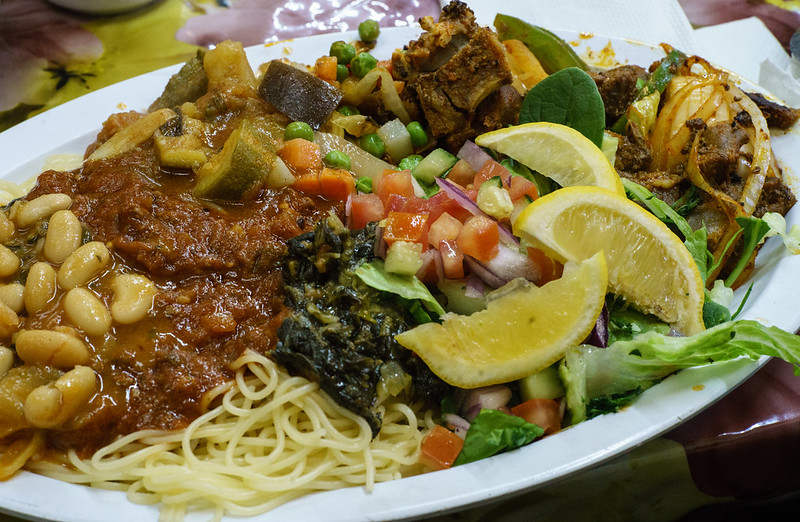
- Adding Global Flavors: Many modern kitchens now blend traditional hot sauces like Basbaas with Western dishes like pasta and burgers.
- The Love for Suqaar: Small cubes of beef or chicken sauteed with carrots and green peppers remain the most popular quick dinner option for busy students.
- The Tea Culture: Drinking spiced sweet milk tea known as Shaah Cadays in the afternoon is still a mandatory daily habit for millions of people worldwide.
Even when families live thousands of miles away from Africa they will search everywhere for the correct spices just to recreate the smells of their childhood home. This global effort shows that Somali food traditions possess a unique power to make people feel connected to their roots no matter where they are on the map.
Keeping the Culinary History Alive for the Future
It is very clear that the kitchen is where the heart of the culture truly beats. While modern fast food restaurants are opening up in urban areas regular people still prefer the taste of slow cooked traditional meals made by their mothers and grandmothers.
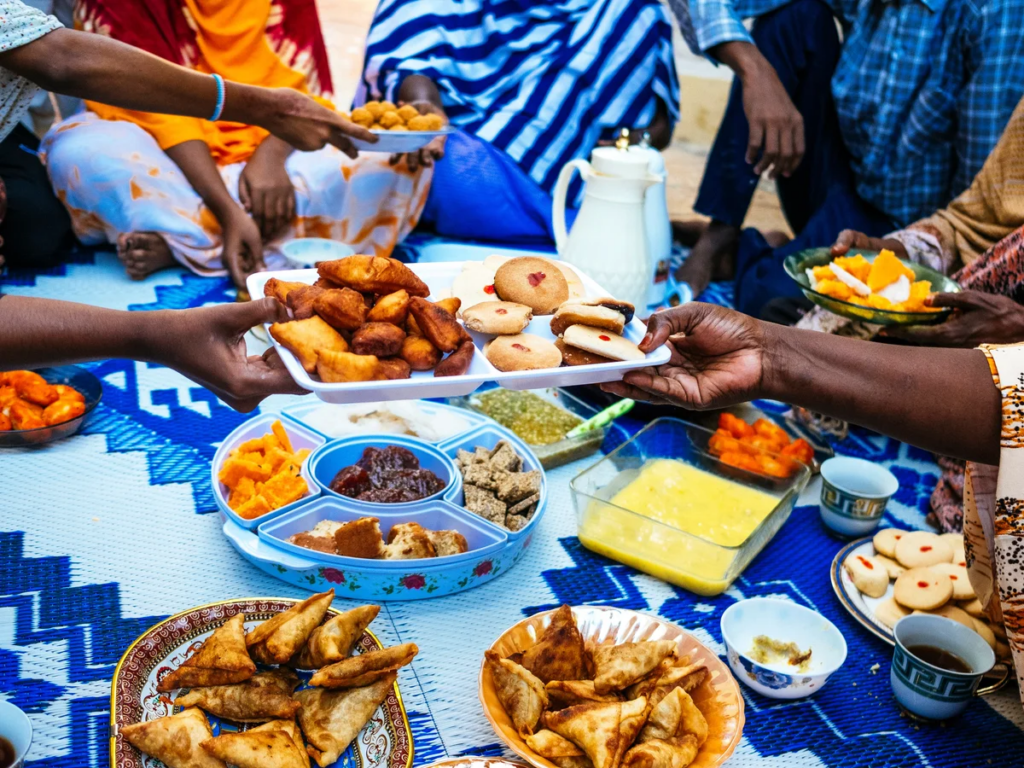
Passing down these secret spice mixes and cooking techniques to young boys and girls is how the community ensures its identity does not get lost in a fast changing globalized world.
Read Also: Traditional Somali Games Keep Children Active and Teach Values
In the end the rich flavors of the Horn of Africa will continue to survive because Somali food traditions are deeply woven into the soul of every single person who calls this resilient culture home.