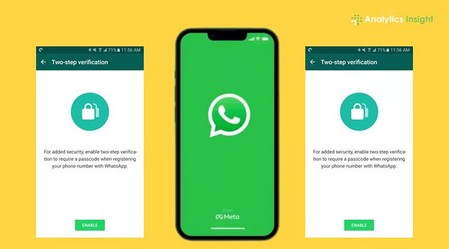



Private AI safety tips are extremely important today because millions of people use chatbots every day without thinking about where their personal data goes. When you type messages into an online tool that information gets saved on remote servers and used to train future systems. Many users assume their chats stay private but tech companies often log conversations for review. Sharing too much personal information can lead to data leaks or unexpected security issues down the road. Following key private AI safety tips helps keep your sensitive details safe while you enjoy the benefits of new technology.

Read Also: Streaming Platform Competition: Impact on Creators and Advertisers
Seven private AI safety tips for daily users
First never give out your full social security number or national identification details. Online tools do not need your official government numbers to answer general questions or write essays. If that data is stored on a server it could be exposed if the platform suffers a security breach.
Second keep your banking information and credit card numbers completely off the platform. Entering card numbers or bank account details to test a tool or solve a payment issue is very risky. Hackers often target stored data logs so keeping financial numbers private is essential for your safety.
Third do not type your work passwords or email logins into any chat box. Passwords must remain secret to protect your online identity and personal accounts. Once a password enters a text box it becomes part of a data stream that you no longer control.
Fourth avoid sharing trade secrets or proprietary company code that belongs to your employer. Many workers paste confidential office files into online generators to summarize them quickly. This practice can violate company policies and leak corporate plans to outside databases.
Fifth do not post intimate health records or medical diagnosis reports online. Medical information is deeply private and protected by strict privacy laws in most places. Inputting sensitive health details into an open system puts your private life at risk.
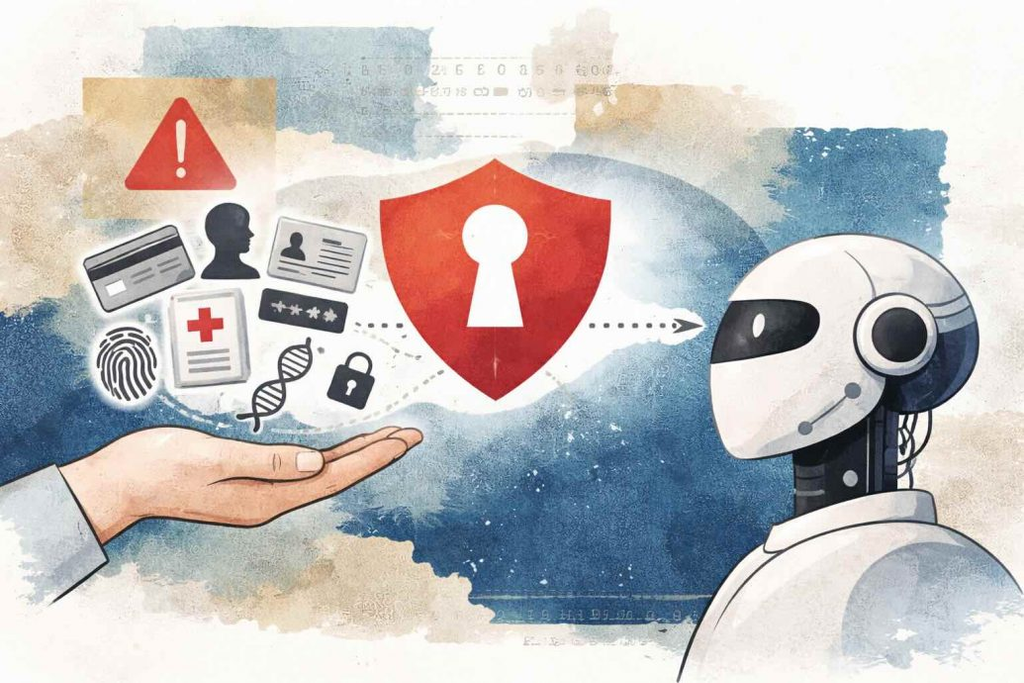
Sixth leave home addresses and phone numbers out of your casual prompts. Revealing exactly where you live or your personal phone contact creates unnecessary risks for physical safety and spam messages. Keep your location details vague whenever you ask for advice or directions.
Read Also: Detect AI content: how can you spot hidden digital media?
Seventh avoid sharing deep personal secrets or sensitive family disputes with online tools. While it feels easy to vent to a digital chatbot it does not have real human confidentiality. Your personal thoughts could end up stored in logs reviewed by human contractors.
Understanding the limits of online confidentiality
Applying basic private AI safety tips protects you from identity theft and unexpected privacy failures. Many people forget that chatbots learn from user inputs which means your text could appear in future models. Taking a few seconds to remove private facts before hitting send saves you from potential trouble.
Another reason to practice private AI safety tips is that data regulations vary wildly around the world. What is protected in one country might not be protected in another where the servers sit. Taking charge of your own privacy is always better than relying on software terms of service.
Teaching your friends and family these private AI safety tips ensures that everyone stays safe online. Kids and teenagers often use these tools for schoolwork without realizing the risks of oversharing. Spreading simple guidelines keeps the whole family protected while using modern tools.
Read Also: Electric Car Dominance: Things You Don’t Know
By keeping these private AI safety tips in mind you can safely use digital assistants without putting your private life on display. Never type sensitive facts like passwords bank details or personal IDs into any prompt. Staying careful with your data guarantees a much safer online experience for everyone.