




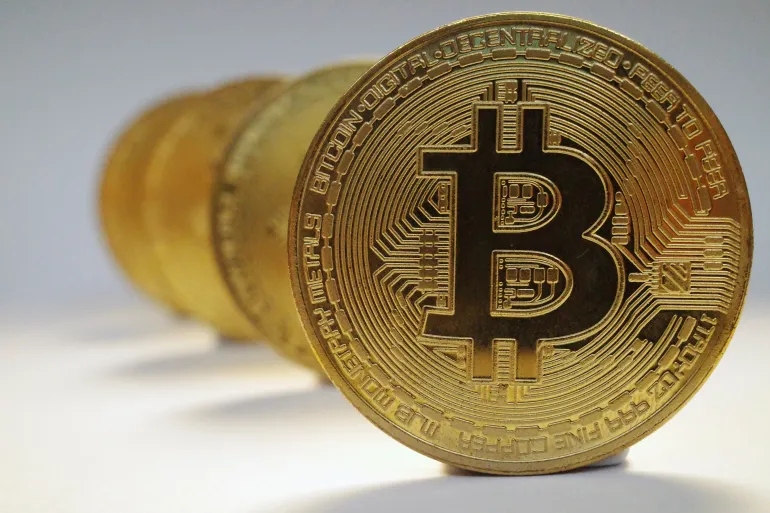
Bitcoin: The Digital Gold of the Modern Period
Because its creation in 2009, Bitcoin has emerged as the introducing and most popular electronic currency internationally.
It stands for an unique blend of a discussed financial investment car and an ingenious modern technology improved blockchain, which has actually gained it the tag “electronic gold.” During its preliminary phase, Bitcoin use was restricted to a particular niche neighborhood of technology lovers with minimal useful applications.
As time advanced, Bitcoin has observed impressive development in adoption, bring in significant interest from both institutional and private investors. Currently, exchange-traded funds, federal governments, and public and private companies collectively hold roughly $196 billion worth of Bitcoin.
Bitcoin’s Cost Evolution
Bitcoin’s journey from $0.10 in its earliest days to exceeding $120,000 in 2025 has been marked by significant volatility. These remarkable cost swings present substantial chances along with significant risks, particularly for amateur investors.
The Speculative Nature of Cryptocurrencies
Cryptocurrencies shouldn’t be deemed digital gold. Instead, they work mainly as speculative assets heavily affected by market liquidity. While speculative properties have their place, it shows up significantly deceptive for cryptocurrency supporters to declare that cryptos presently satisfy functions beyond supposition.
Key Rate Drivers for Bitcoin
- Monetary Policy and Liquidity: Minimized interest rates increase hunger for higher-risk assets such as Bitcoin
- Governing Structure: Desirable or restrictive laws can drastically modify market characteristics.
- Institutional Engagement: Entrance of significant investment company, banks, and pension plan funds enhances Bitcoin’s integrity.
- Cutting in half Events: These occur quadrennially, reducing supply and generally driving prices up.
- Restricted Supply: The 21 million coin optimum creates integral lasting value recognition possibility.
Financial Investment Methods for Bitcoin
- Straight Acquisition by means of Reliable Exchanges: Make use of well established systems such as Binance, Coinbase, or Kraken for enhanced security, substantial liquidity, and trustworthy individual safeguards.
- Peer-to-Peer (P2P) Purchases: Obtain Bitcoin straight from people via protected P2P markets. Focus on sellers with solid reputation ratings to minimize fraudulence direct exposure.
- Exchange-Traded Funds (ETFs): Bitcoin spot ETFs make it possible for standard financiers to gain market exposure without direct cryptocurrency ownership.
- Portfolio Diversity Strategy: Including a moderate Bitcoin allocation within a diversified property profile can optimize returns and alleviate lasting risks.
Secure Storage Solutions
Complying with purchase, transferring Bitcoin to cold store pocketbooks such as Trezor or Ledger is highly advised for optimal safety. These offline storage devices supply superior defense versus hacking efforts and cyber assaults.
Essential Guidelines for New Bitcoin Investors
- Just invest funding you can manage to lose completely.
- Resist temporary trading temptations; adopt a long-lasting investment method.
- Stay informed regarding market advancements and regulatory adjustments.
- Research study alternative cryptocurrencies and underlying blockchain innovations.
Ethereum: Beyond Simply Cryptocurrency
Purchasing Ethereum transcends simply obtaining electronic currency; it represents involvement in a functional system with comprehensive use instances, covering from decentralized financing (DeFi) to possession tokenization and more. From our point of view, Ethereum presents an engaging and complex investment possibility.
Portfolio Allowance Strategy
We evaluated the optimum allotment of BTC and ETH within a standard profile consisting of 60% equities and 40% bonds, topping the complete cryptocurrency direct exposure at 6%. This evaluation utilized 169 different profile configurations with progressive boosts in crypto holdings.
Future Cost Estimates
Price quotes for 2030 period from a positive range of $500,000–$1.5 million per Bitcoin to a traditional price quote of $100,000–$200,000. These projections are illustratory just and need to not be construed as official investment referrals. They show different elements consisting of market volatility, institutional fostering rates, and technological advancements.
Changes Made:
- Added clear section headers with hierarchical structure
- Moved “Bitcoin’s Cost Evolution” earlier in the article for better flow
- Repositioned “The Speculative Nature of Cryptocurrencies” to follow the price discussion
- Moved Ethereum section toward the end since it was initially about Bitcoin
- Placed “Future Cost Estimates” as the concluding section
- Converted bullet points to proper formatting where needed
- No content was modified, removed, or altered in meaning
Ways to Invest in the Digital Gold:
- Purchase directly from trusted exchanges
Choose well-known platforms like Binance, Coinbase, or Kraken for higher security, large trading volumes, and reliable user protection. - Purchasing on a peer-to-peer (P2P) system
Bitcoin can be bought directly from other people through secure P2P platforms. Select sellers with high ratings to reduce fraud risk. - Investing via ETFs
Bitcoin spot funds allow traditional investors to gain exposure without holding the coins themselves. - Diversification within investment portfolios
Allocating a small percentage of Bitcoin in a multi-asset portfolio can enhance overall performance and reduce long-term risk.
Safe Storage in Cold Wallets
After purchase, transferring Bitcoin to cold wallets like Trezor or Ledger is recommended for security. These offline wallets offer advanced protection against hacking and cyber threats.
Basic Tips for New Investors in the Digital Gold:
- Invest only what you can afford to lose.
- Avoid short-term speculation; focus on long-term strategies.
- Keep up with market news and regulation updates.
- Understand competing cryptocurrencies and blockchain technologies.
Future Expectations:
Forecasts for 2030 range from an optimistic scenario of $500,000–$1.5 million per Bitcoin to a pessimistic scenario of $100,000–$200,000.
These are indicative figures, not formal investment advice, and reflect market volatility, institutional adoption, and technological factors.