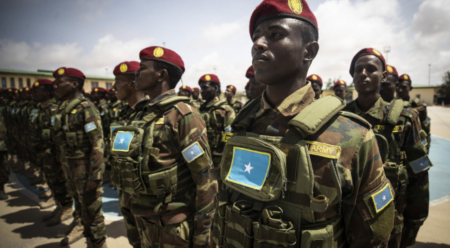



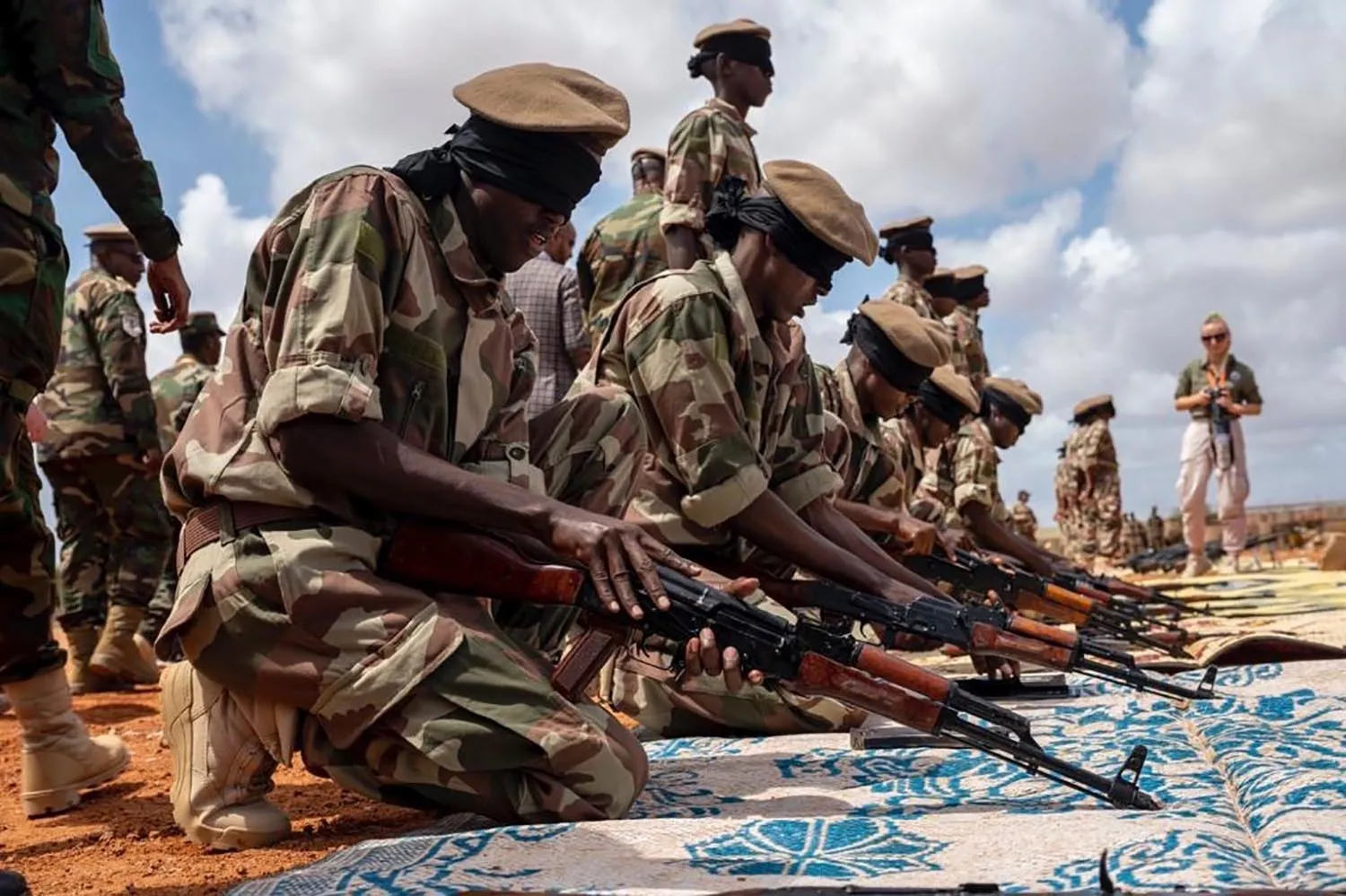
Somali Aviation Crisis headlines are dominating the news across the Horn of Africa this week after the federal government in Mogadishu took the rare step of ordering two aircraft to turn back while they were still in the air. The planes were traveling from the cities of Garowe and Kismayo and were reportedly carrying a large number of heavily armed security personnel belonging to the leaders of the Puntland and Jubaland regions. This Somali Aviation Conflict happened just as the country was preparing for a major round of political talks meant to settle disputes about the upcoming national elections.
According to officials from the Civil Aviation Authority, the order to deny landing permission came directly from the top leadership after they saw videos of the troops boarding the planes in full combat gear. The federal government argued that bringing so many weapons into the capital without a clear agreement was a threat to the safety of the city and the diplomatic missions located near the airport. This Somali Aviation Conflict has now put a giant question mark over the future of the dialogue, as regional leaders feel that their safety is not being respected by the central state.
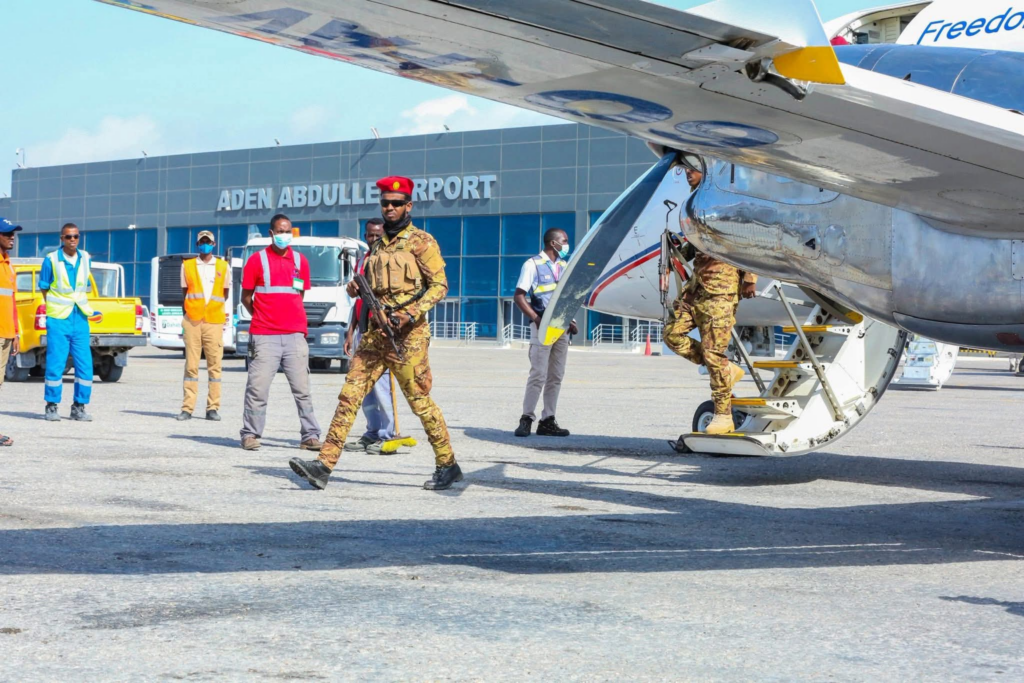
The reason why this Somali Aviation Conflict is so tense is that it touches on the deep lack of trust between the different parts of the Somali government. In the past, leaders from Puntland and Jubaland have always brought their own guards to Mogadishu, but this time, the federal government says the numbers were way too high. The Somali Aviation Conflict was triggered when the government claimed that only 30 guards were allowed per leader, but the planes appeared to have many more soldiers than that on board. This led to a standoff in the sky, where the pilots were told they would not be allowed to land at Aden Adde International Airport and had to return to where they started.
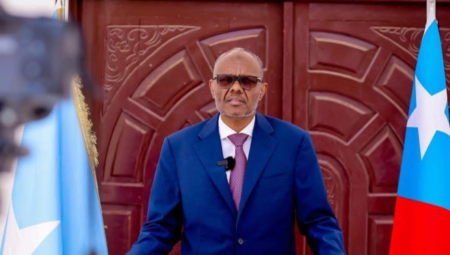
This Somali Aviation Conflict is seen by many as a sign that the political struggle is getting more personal and more dangerous for everyone involved. While the government says it is just protecting the capital, the regional administrations are calling it a “criminal act” that is designed to stop them from participating in the talks.
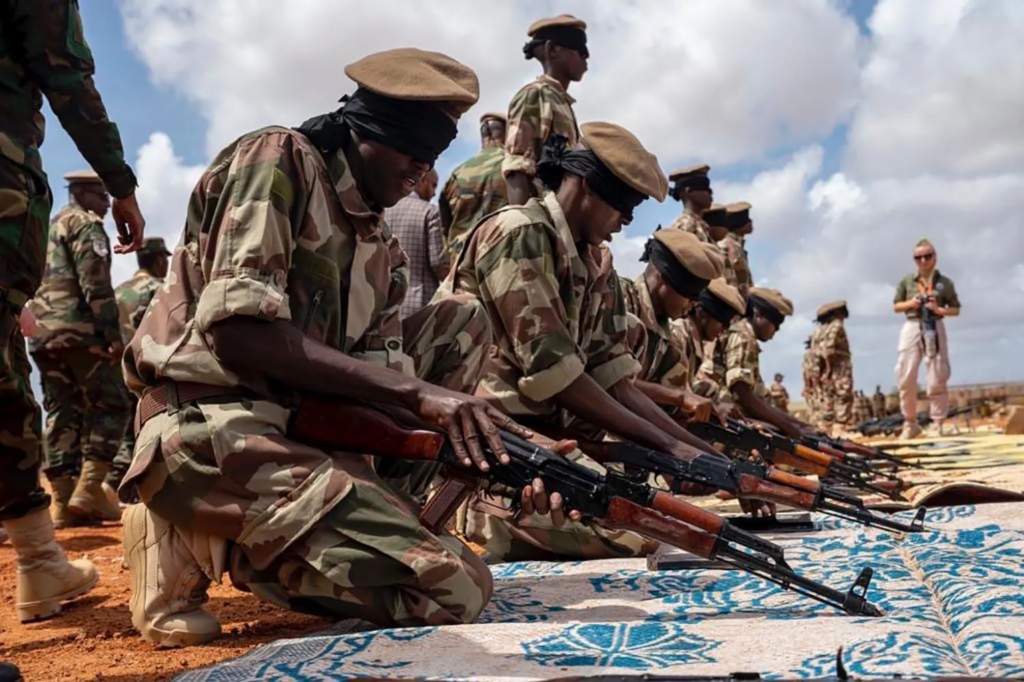
Impacts of the Somali Aviation Crisis on the Election Talks
First, the Somali Aviation Conflict has caused an immediate delay in the consultative meetings that were supposed to start on Monday morning. Second, the Somali Aviation Conflict has made international partners very worried that the progress made in the last few months could be lost in a single day of arguing over planes. Third, we are seeing a rise in “Social Media Panic” because of the Somali Aviation Conflict, with many fake stories spreading about troop movements on the ground.
Fourth, the Somali Aviation Crisis might lead to higher insurance costs for airlines flying in Somalia because the airspace is now seen as politically unstable. Fifth, because of the Somali Aviation Crisis, the regional leaders of Puntland and Jubaland might decide to boycott any future meetings in Mogadishu and demand that the talks happen in a neutral country. Sixth and finally, the Somali Aviation Crisis highlights the need for a very clear and written law about how regional security forces should behave when they enter the federal capital.
Finding a Way Out of the Somali Aviation Crisis
To fix the Somali Aviation Crisis, both the federal government and the regional states need to sit down and agree on a specific list of weapons and people allowed for protection. If the Somali Aviation Crisis is not solved quickly, it could lead to a complete breakdown in communication between Mogadishu and the states of Puntland and Jubaland. The people of Somalia are tired of seeing their leaders fight over logistics and planes when there are so many bigger problems like security and the economy to solve. The Somali Aviation Crisis is a reminder that even a small misunderstanding about a flight can turn into a national disaster if there is no trust.
Read Also: Somali Passport Rumors: Official Denial of Travel Restriction Claims to Egypt
It is a very sensitive moment for our democracy and we must hope that cooler heads prevail so that the planes can eventually land and the talking can begin. The Somali Aviation Crisis should be a lesson for everyone that coordination is better than confrontation in a country that is still trying to heal from its past.