
Somali market conditions are a very popular topic of conversation right now in the tea shops of Mogadishu and Hargeisa because the holy month of Ramadan has arrived with both a lot of joy and some very difficult financial challenges for the average family. The local bazaars are full of people trying to buy dates and milk for their Iftar but they are finding that the Somali market situation are quite tough because the prices of sugar and flour have gone up by nearly twenty percent in just a few weeks.
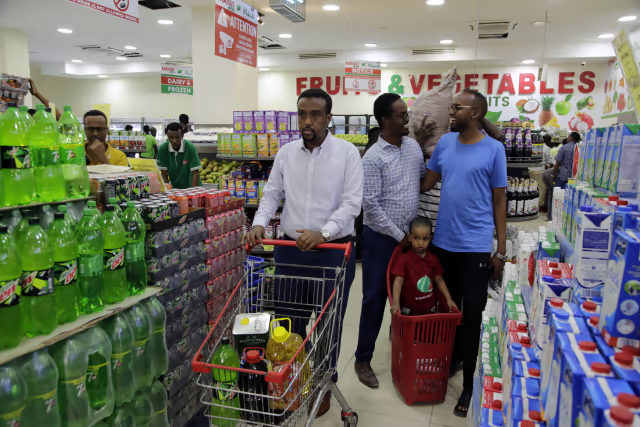
Many traders say they are struggling to get enough stock from the ports and this creates a gap between what people want and what is actually available on the shelves. This Somali market situation situation is making it very hard for the poor families who live on a daily wage because they have to choose between buying meat for their children or paying for the water they need to drink. Even though the government has asked the big business owners to keep the costs low the reality of the Somali market situation is that the high cost of fuel and the lack of rain are pushing everything up. It is a time where everyone is praying for a bit of mercy and for the rains to come so that the livestock can get fat again and the price of milk can finally drop to a level that everyone can afford.
Read Also: Canjero bread secrets: why it’s world-famous
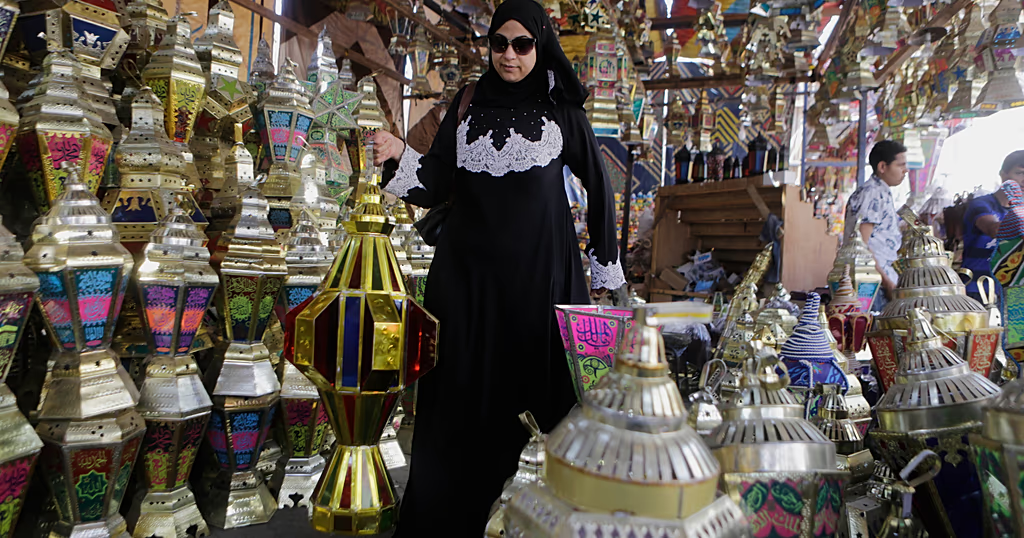
The atmosphere in the streets is still very beautiful despite the Somali market situation because you can see the neighbors helping each other out and sharing what little they have in their kitchens. You will notice that during the late afternoon the Somali market situation become very frantic as everyone rushes to finish their shopping before the call to prayer rings out over the city. This is the time when the “Ramadan Rush” is at its peak and the small shopkeepers are working at double speed to serve the long lines of customers waiting for their samosas and cold drinks. Even with the Somali market situation being so expensive the spirit of charity is very strong and you will see big bowls of food being set out in the mosques for anyone who doesn’t have a home to go to. It is a reminder that even when the Somali market situation are failing us our culture of looking after one another is still the strongest thing we have to hold on to.
Read Also: Somali Charity Groups Supporting Families in Ramadan 2026
The impact of the global economy on Somali market conditions today
Many people don’t realize that the Somali market situation are also affected by things happening far away like the price of oil in the gulf or the big trade deals between america and china. Because somalia imports so many of its basic foods like rice and pasta the Somali market situation are very sensitive to any changes in the shipping lanes or the value of the dollar. This year the Somali market situation have been hit by a double blow of high transport costs and a very dry season which has made the local produce like tomatoes and onions much rarer than usual. If the Somali market conditions continue to be this volatile the local leaders might have to step in and provide some extra aid to make sure that everyone has enough to eat until the celebrations of Eid. It is a very big test for the national economy and for the strength of the people who have to navigate these Somali market conditions every single day of the month.
How families are adapting to the current Somali market conditions
To survive the current Somali market conditions many mothers have become very smart with their money by buying only the most important items and skipping the expensive sweets they used to love. This change in behavior is a direct result of the Somali market conditions and it shows how resilient and creative the somali people are when things get difficult. Some families are even starting small gardens in their backyards to grow their own greens so they don’t have to worry about the Somali market conditions at the big bazaar every morning. If the Somali market conditions don’t improve soon we might see more people moving back to the traditional ways of eating simpler foods that are grown right here on our own soil. For now we just have to be patient and keep supporting our local vendors who are also doing their best to survive in these tricky Somali market conditions without going out of business.
Read Also: Ramadan start date which day will the fasting begin?

The holy month is a time of reflection and being together but it is also a time where we see the real truth about how our economy is working. The Somali market conditions in 2026 are definitely not easy but the strength of the community and the deep faith of the people are what really keep the country moving forward. We should all try to be a bit more generous this year and look out for our neighbors who might be struggling more than we are because of the high prices. Let us hope that the next few weeks bring some relief and that we can all celebrate the end of the fast with full stomachs and happy hearts.