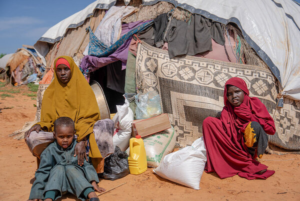


Somalia virus cases rise rapidly across many local towns and small villages as health officials warn everyone to take quick precautions. Local clinics report that more patients arrive every day needing medical treatment for severe symptoms. Doctors say that dirty water and poor hygiene habits make the sickness spread much faster among families. Everyone needs basic information so they can protect their children and older relatives from getting sick.
Read Also: How Diabetes Prevention Steps Can Help Stop a Global Crisis
Somalia virus cases rise and community protection
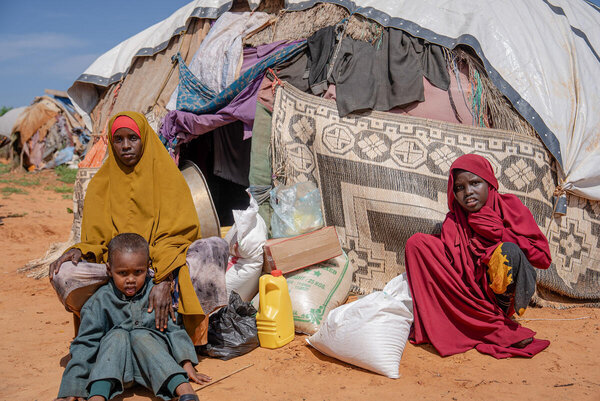
Health workers say Somalia virus cases rise when people do not wash their hands with soap before eating meals. Local leaders try to give out clean water and basic medical supplies to families in remote areas. When communities work together they can stop bad germs from spreading from one house to another. Simple habits like boiling drinking water can save many lives during an outbreak.
If someone feels sick they should stay home and rest to avoid passing the illness to others. Drinking plenty of fluids keeps the body strong while fighting off the infection. Local health centers are working hard to provide care despite having limited supplies and medicine. Getting help early prevents small health problems from turning into life threatening emergencies.
Read Also: Is the Vitamin D Myth Misleading Millions?
Basic habits for every household
Here are basic steps every family can follow:
- Boil all drinking water or use special cleaning tablets
- Wash hands with soap after using the toilet
- Wash hands before cooking or eating any food
- Keep food covered to stop flies from carrying germs
- Visit a local clinic if fever or body pain starts
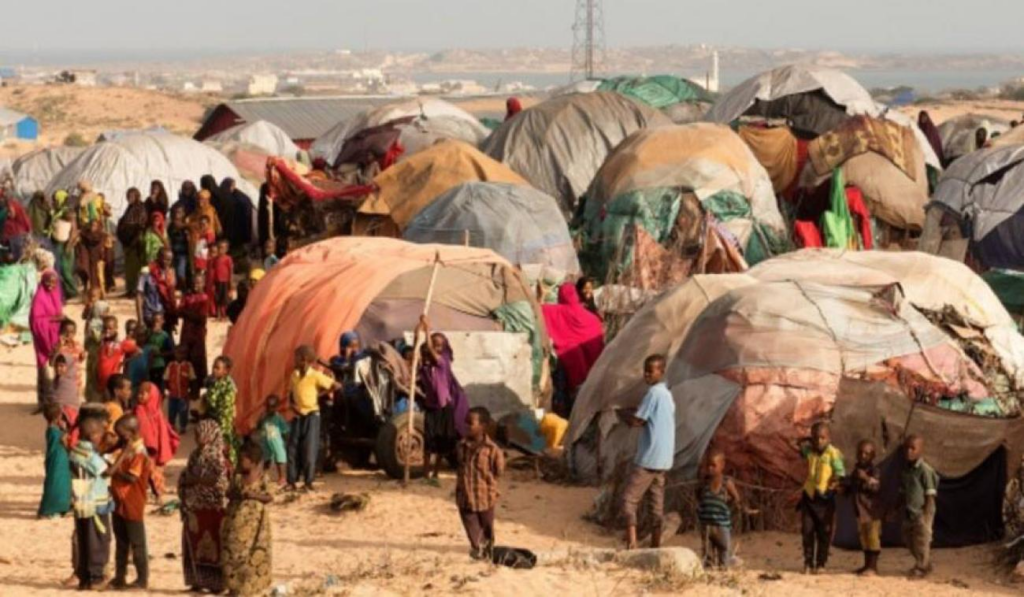
Doctors observe that Somalia virus cases rise during dry seasons when clean water is very hard to find. Families often gather around dirty water holes which increases the risk of contamination. Public health teams travel to rural areas to teach parents about proper water treatment methods. Simple education programs help reduce infection rates across whole regions.
How local clinics handle infections
Nurses work long hours to care for patients arriving at overcrowded community clinics every morning. When Somalia virus cases rise medical staff must prioritize severe cases to save lives quickly. They give oral rehydration fluids and basic medicines to help patients recover safely. Community support helps clinics stay open and supply basic needs to those in trouble.
Keeping public markets and schools safe
Local markets can also spread sickness if food stalls are not kept clean and dry. Market inspectors ask sellers to cover fresh meat and vegetables to protect them from flies. When markets stay clean people can buy daily food without worrying about bringing sickness home. Clean shopping areas protect the health of the entire town.
Schools are taking extra steps to keep children safe while learning in classrooms. Teachers make sure students wash their hands before eating lunch and after playing outside. When Somalia virus cases rise schools may close briefly to clean desks and shared spaces thoroughly. Protecting children in schools keeps the whole community safer from big outbreaks.
Support from international medical teams
International health groups are sending extra medical supplies and vaccines to help local hospitals. These supplies help doctors treat sick people faster and prevent the illness from spreading further. When Somalia virus cases rise international aid plays a big role in supporting local healthcare workers. Working together brings better results for everyone in need.
Read Also: Animal origin diseases: Why the global concern?
Working together for a healthier future
In the end stopping this health crisis requires effort from every person in the country. When every household works to keep Somalia virus cases rise under control the whole nation grows stronger and healthier. Simple daily habits like washing hands using toilets and drinking clean water make a massive difference every single day.