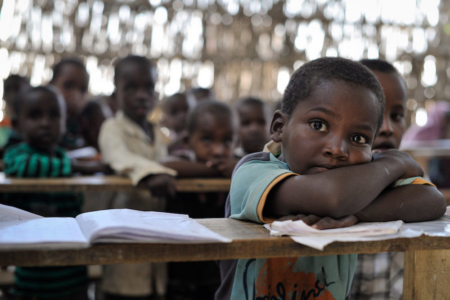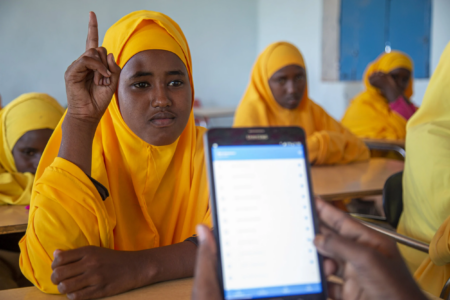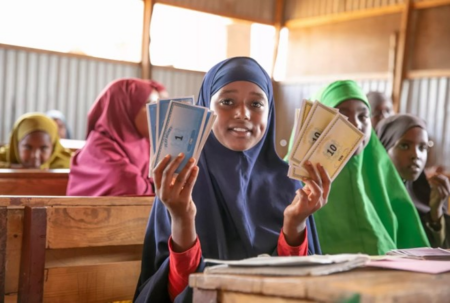



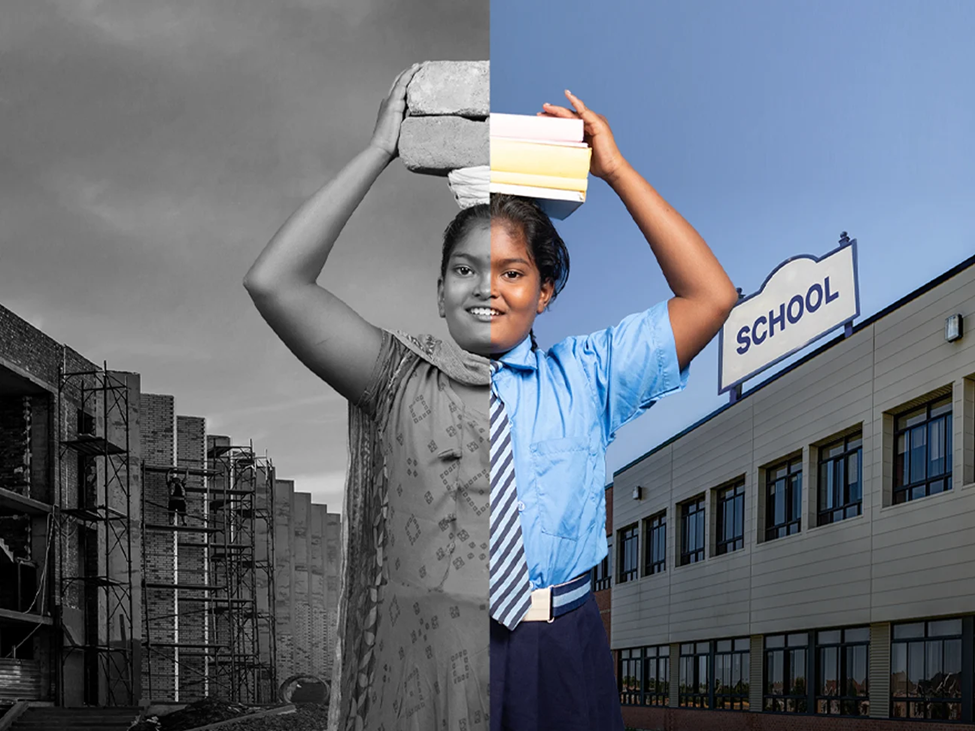
Education is a key factor in ending child labor, providing children with basic skills and opportunities for a better life. When children have access to quality education, they can focus on education instead of working, which paves the way for future economic stability. Education helps break the cycle of poverty, as it opens new avenues of advancement for children and encourages families to move away from low-income work.
In addition, educational programs raise awareness of the harmful effects of child labor, leading to change in parents and communities. Ultimately, investing in education can help eliminate child labor, creating a healthier and more prosperous society.
Impact of Education on Reducing Child Labor Rates
Education opens doors to development for children, which helps prevent child labor. When children go to school, their time is spent in education and away from manual labor, which is important for their mental and physical development. This education teaches children skills that will give them better opportunities in the future, giving them a way out of poverty.
Families also benefit from this change, as children’s education improves their economic conditions and reduces the need for child labor. Thus, education has become a powerful tool that not only changes the lives of children but also plays an important role in the development of the entire society.
The Role of Governments in Providing Access to Education
The role of governments is crucial in ensuring children’s access to education. They should develop policies that make schools free and compulsory so that every child can get an education. Building educational institutions, improving teacher skills, and providing educational resources should be government priorities.
A strong legal system and political commitment can ensure that issues like child labor are tackled and barriers to children’s education are removed. In this way, governments provide the foundation for a better future for children.
Economic Benefits of Educating Children over Child Labor
The benefits of educating children are enormous economically as it teaches them skills that increase their future income. When children study instead of work, they are better off financially throughout their lives. This shift is beneficial for economic growth because an educated workforce is more efficient and productive, reducing reliance on low-wage labor and increasing economic stability.
Community Awareness and Its Effect on Child Labor Practices
Creating awareness in the community about the importance of children’s education and the harmful effects of child labor can help protect children’s rights. When locals understand that education is the key to a better future for children, they encourage children to go to school instead of working. The efforts of community leaders and local institutions, as well as media campaigns, can play a significant role in promoting this change.
Challenges to Education in Combating Child Labor
There are several barriers to the importance of education in ending child labor. Poverty increases the pressure to send children to work, as families find it difficult to make ends meet. Moreover, there is a lack of educational facilities and limited access to schooling in rural areas.
Cultural ideologies also favor putting children to work rather than education. To address these issues, the focus will be on economic assistance, awareness campaigns, and strengthening the education system.
Ultimately, education is a key factor in protecting children’s rights and ending child labor, as it provides children with better life opportunities and guides their families toward economic development. To achieve this goal, governments and communities at the local level must ensure that all children receive an education, thereby reducing the need for child labor. Although there are challenges like poverty and social norms, sustainable initiatives can address these issues. Investing in education will be beneficial not only for the individual but also for the entire social structure. After all, education is the foundation of a child-labor-free and prosperous future.