


Close Menu
    Follow us
    • Facebook
    • Twitter
    What's Hot
    Digital currency market trends in the global economy

    Digital currency market trends in the global economy

    The Hidden Power of Tribal Social Life

    Tribal Social Life: The Hidden Power Shaping Our World

    How Poor Child Education Shapes Society’s Future

    How Poor Child Education Shapes Society’s Future

    Facebook X (Twitter) Instagram
    Wednesday, April 15
    Facebook X (Twitter) Instagram TikTok Threads YouTube
    Somali probeSomali probe
    • Local News
    • Business & Technology
    • Politics
    • Education
    • Health
    • Culture
    Somali probeSomali probe
    Home»Health»MENTAL HEALTH STIGMA IN LOW-INCOME COUNTRIES
    Health

    MENTAL HEALTH STIGMA IN LOW-INCOME COUNTRIES

    January 29, 2025
    Share Facebook Twitter Pinterest Telegram LinkedIn Tumblr Email Copy Link
    MENTAL HEALTH STIGMA IN LOW-INCOME COUNTRIES
    MENTAL HEALTH STIGMA IN LOW-INCOME COUNTRIES
    Share
    Facebook Twitter LinkedIn Pinterest Reddit Telegram WhatsApp Email Copy Link

    The stigma around mental health problems remains a major barrier in low-income countries, preventing individuals from seeking treatment. Mental illnesses are often seen as a social stigma due to traditional views and lack of information.
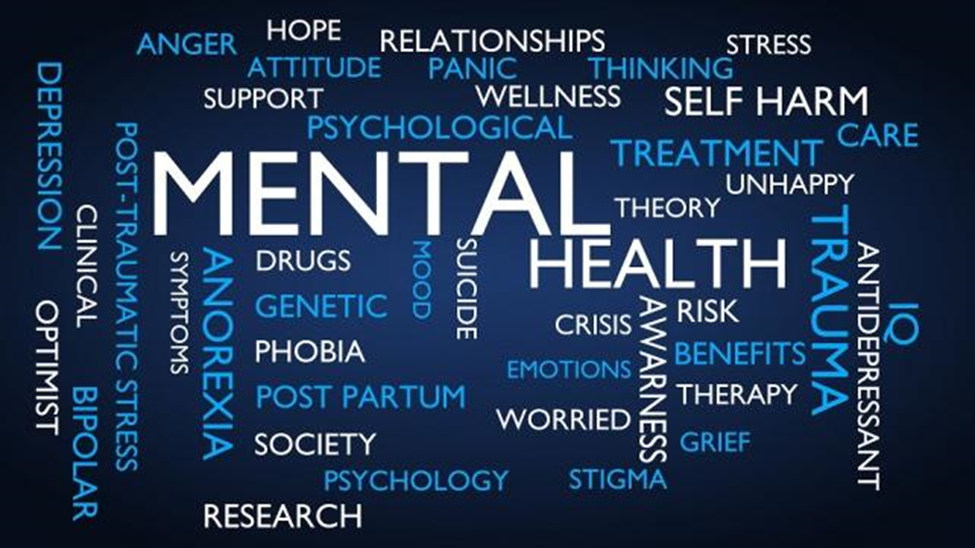
    The result of this misunderstanding is that the affected people are forced to hide their problems. The situation is further complicated by a lack of resources and limited health infrastructure. Raising mental health awareness, providing support at the local level, and improving systems are key steps to address this issue.

    Cultural Beliefs and Stigmatization of Mental Illness

    In low-income countries, mental illness is often misunderstood by cultural traditions and beliefs, which attribute it to personal weakness or invisible forces. Research shows that more than half of people in these regions attribute mental health problems to non-scientific causes.

    This approach discourages individuals from seeking help and increases social isolation. As a result of this stigma, timely treatment is not possible, making the problems more serious.

    Barriers to Seeking Mental Health Support

    According to research, only a small proportion of people with mental health problems in low-income countries have access to appropriate treatment, less than 10%. Key challenges include lack of information, social pressure, and lack of expertise. Many people avoid seeking help for fear of being criticized or ostracized, which could make their condition worse.

    The Role of Community Education in Breaking Stigma

    Social education campaigns have played an important role in reducing the stigma of mental health. Where such efforts have been made, awareness of mental illnesses has increased by 30-40%. Providing people with the right information about mental health not only reduced misconceptions but also encouraged those affected to talk openly and seek help. These changes have positive effects on social attitudes, which help to reduce overall mental health problems.

    Challenges in Providing Accessible Mental Health Care

    Only one-fifth of low-income countries allocate less than one percent of their health budgets to mental health services. Due to this lack of funding, there is a severe shortage of mental health resources such as hospitals, drugs, and specialists. The problem is more acute in rural areas where 80% of people do not have access to mental health services. This situation has become a major obstacle in the treatment of mental illnesses and its immediate solution is necessary.

    Policy and Advocacy for Improved Mental Health Services

    Specific policies need to be emphasized to fill the gaps in the mental health system. Research shows that where clear mental health policies are in place, access to services improves by 25%.

    Investing in basic health services, providing modern facilities, and standardizing mental health programs through legislation is essential to make a significant difference in the conditions of those who benefit from them.

    Addressing mental health problems in low-income countries requires a comprehensive strategy, including public awareness, effective policy-making, and necessary investment in health systems. Breaking down cultural barriers and making mental health services accessible to people is critical to economic development as well as social improvement.

    Governments, organizations, and communities at the local level can work together to eliminate mental health stigma and ensure early support is provided. Sustainable and effective sustainable reforms in the mental health sector require sustained commitment and financial resources.


    Share. Facebook Twitter LinkedIn Reddit WhatsApp Telegram Email Copy Link
    Previous ArticleCOUNTERTERRORISM EFFORTS IN SOMALIA: SUCCESSES AND FAILURES
    Next Article THE ROLE OF EDUCATION IN COMBATING CHILD LABOUR

    Related Posts

    Can a digital heart twin really save your life in the future?
    Health

    Can a digital heart twin really save your life in the future?

    April 12, 2026
    Somalia Health Crisis: Can It Be Stopped in Time?
    Health

    Somalia Health Crisis: Can It Be Stopped in Time?

    April 10, 2026
    Healthy weight loss: What are the best ways to get fit?
    Health

    Healthy weight loss: What are the best ways to get fit?

    April 9, 2026
    Latest Posts
    Digital currency market trends in the global economy

    Digital currency market trends in the global economy

    The Hidden Power of Tribal Social Life

    Tribal Social Life: The Hidden Power Shaping Our World

    How Poor Child Education Shapes Society’s Future

    How Poor Child Education Shapes Society’s Future

    How Emirati Aid impact Lives Across the Region?

    How Emirati Aid Transforms Lives Across the Region?

    You May Also Like
    Can a digital heart twin really save your life in the future?

    Can a digital heart twin really save your life in the future?

    April 12, 2026

    Digital heart Replica technology is starting to change how doctors look at our bodies and…

    Somalia Health Crisis: Can It Be Stopped in Time?

    Somalia Health Crisis: Can It Be Stopped in Time?

    April 10, 2026

    Somalia health crisis is a very big problem right now because so many children and…

    Healthy weight loss: What are the best ways to get fit?

    Healthy weight loss: What are the best ways to get fit?

    April 9, 2026

    Healthy weight loss is something that many people try to do every year but it…

    Why is Somali medical lack hurting people?

    Why is Somali medical lack hurting people?

    April 8, 2026

    Somali medical lack happening right now and why is it getting so much worse for…

    Hydrogenated vegetable Oils: Hidden Liver Damage Risk

    Hydrogenated vegetable Oils: Hidden Liver Damage Risk

    April 6, 2026

    Hydrogenated vegetable oils are found in so many foods we eat every day without even…

    Facebook X (Twitter) Instagram Threads TikTok

    News

    • Local News
    • Business & Economy
    • Politics
    • Education
    • Health
    • Culture

    Editor's choice

    Business & Technology

    Digital currency market trends in the global economy

    April 14, 2026
    Culture

    Tribal Social Life: The Hidden Power Shaping Our World

    April 14, 2026
    © 2026 Somali Probe
    • Privacy Policy
    • Terms & Conditions
    • Contact us

    Type above and press Enter to search. Press Esc to cancel.