

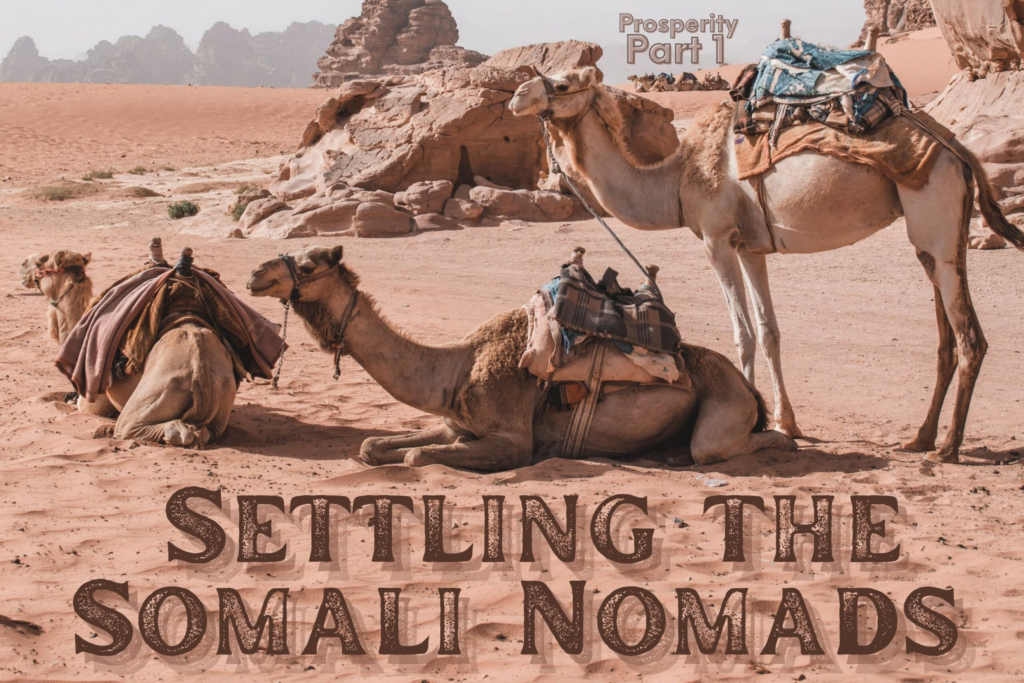
Somali camel culture is the most important part of life in the Horn of Africa because these beautiful animals are much more than just livestock to the nomadic people. When you travel through the dry countryside you will see that having a large herd of these animals is a sign of ultimate wealth and high social status. This Somali camel culture is deep because the people live in a very harsh environment where water is hard to find and regular cows or sheep cannot survive the long droughts.
The camel gives the family fresh milk every single day and can carry heavy tents across hundreds of miles of hot sand without getting tired. For hundreds of years the nomads have built their entire world around the needs of these animals and that is why this Somali camel culture remains strong even among the young people who move to the big cities today.
Read Also: Why is Somali language heritage so unique in the Horn of Africa?
The economic power of the Somali camel culture in the bush
The main reason the camel culture stays alive is that these animals act like a living bank account for the families who live far away from modern cities. If a father needs to pay for his son’s wedding or buy medicine for a sick relative he does not use paper money but instead he sells one of his finest animals. In this traditional camel culture the price of everything from land to traditional fines between clans is always calculated by counting heads of camels.
This means that a man with fifty camels is respected by everyone and can easily solve any big argument with his neighbors by offering some of his herd.
It is a very beautiful system that has kept the peace between different tribes for generations because everyone agrees on the high value that the Somali camel culture puts on these special creatures.
Camal poetry and traditional songs in the desert
You cannot understand the Somali camel culture without listening to the traditional poems and songs that the young men sing while walking with their herds at night.
In the local literature there are thousands of famous verses dedicated entirely to describing the beauty of a camel’s walk or the sweetness of its milk. This artistic side of the Somali camel culture shows that the connection is not just about food or money but it is a deeply emotional bond between human and animal.
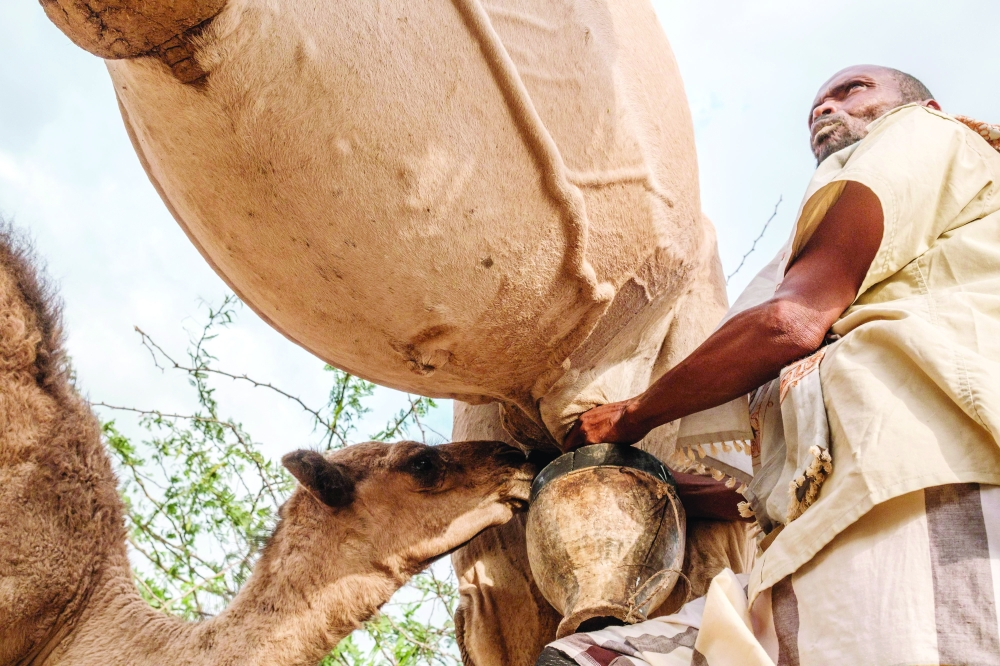
The poets compare the strength of a good leader to the endurance of a camel that survives the worst summer without a single complaint. When the animals are thirsty and reach a water well the herders sing special rhythmic songs to make them calm and happy while they drink.|
Read Also: Somali Art Traditions: How Does Somali Art Keep Culture Alive?
How the modern world is changing the old ways
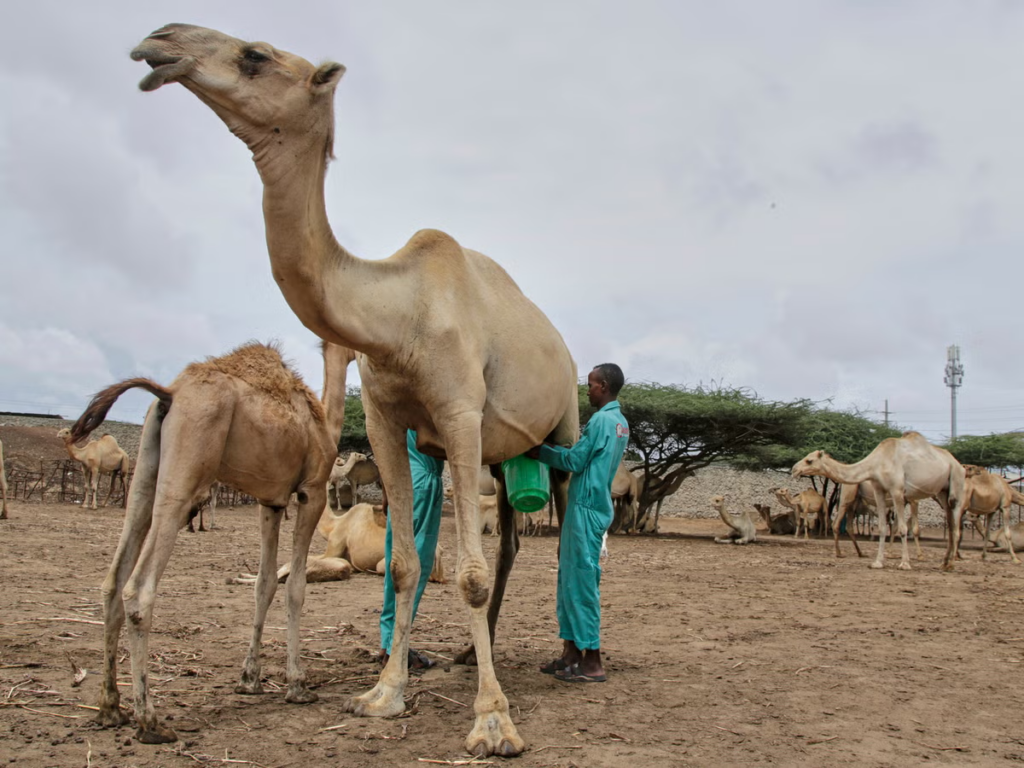
Today many families are moving away from the nomadic life but the Somali camel culture is finding new ways to survive in the big modern markets. There are now big businesses that pack camel milk into bottles and send them to supermarkets in Mogadishu or even to countries across the ocean. This new trade brings a lot of money back to the rural areas and shows that the Somali camel culture is still useful in the twenty first century.
Even the politicians and rich businessmen in the towns still love to buy camels for big celebrations like Eid because it keeps them connected to their roots. It is a source of national pride that separates the culture from the rest of the world and keeps the identity of the people alive.
Read Also: How Somali media influence shapes national culture growth
In conclusion the relationship between the people and these desert creatures is something that will never disappear no matter how modern the cities become.
The Somali camel culture is the backbone of the history and the survival of the nation through the hardest times of war and hunger. It teaches the young generation about patience and how to survive in a difficult world by relying on the gifts of nature. We should respect this ancient way of living and make sure that the stories of the desert are not forgotten by the children who grow up in modern houses. The camel was a lifesaver in the past and it remains a symbol of hope and strength for the future of the whole country.