Update Somali school programs is a very big step for the future of young children living in East Africa. For many years the educational system in Somalia has faced massive challenges because of past conflicts and a lack of unified learning materials. Now teachers and parents are demanding a fresh system that actually matches the daily needs of their local communities. Instead of using old foreign books that do not talk about local life the new plan focuses on building useful skills for the local economy.
We need this change because the young generation represents the biggest part of the population and they need to find jobs. If we want to update Somali school systems we must look at what skills the country actually needs today.
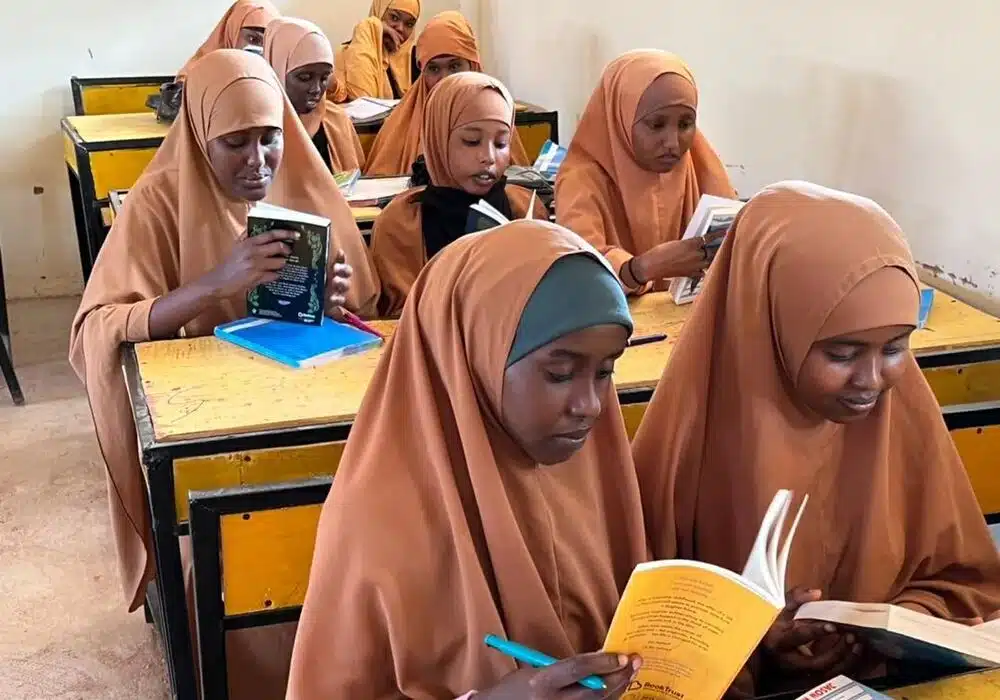
Education is not just about reading pages but it is about preparing children to solve real life problems in their towns. The old teaching style mostly focused on memorizing facts which does not help when a student wants to start a business or work in agriculture. By changing the lessons to include practical knowledge students will feel more excited to go to class and learn. This change will also make it easier for poor families to see the value of sending their kids to school instead of keeping them home to work. When we update Somali school pathways we are giving these kids a real chance to escape poverty.
The main steps to update Somali school lessons
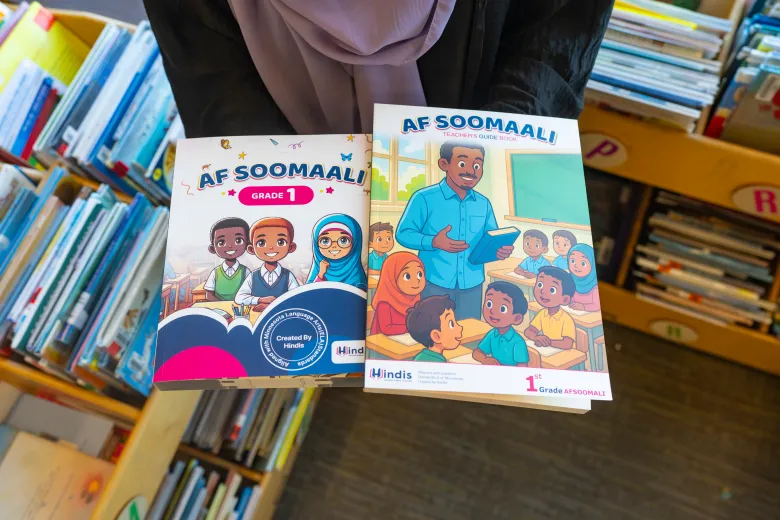
To make this educational reform work the government has to collaborate closely with local teachers and community elders. These elders know the culture and the traditions of the country very well and they can help make the books more respectful of local values. Teaching in the Somali language during the early years of school is another big part of the new strategy. When kids learn in their mother tongue they understand science and math much faster than learning in a foreign language. Once they have a strong foundation in their own language they can easily learn English or Arabic in later grades. This natural progression is a key element when we update Somali school curriculum designs.
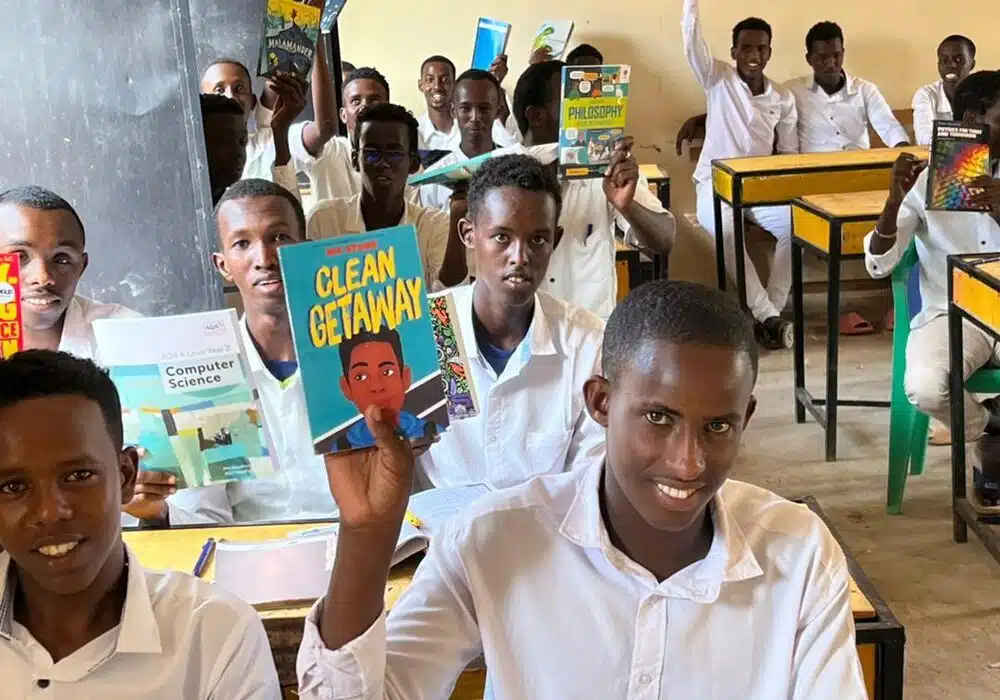
Another major area of focus is technology and computer science because the modern world runs on digital tools. Many schools in big cities like Mogadishu and Garowe are starting to get basic computer labs for their students. Even in rural areas knowing how to use a mobile phone for business is a very important skill. If the new books include basic digital literacy lessons it will help the youth connect with the global market. To successfully update Somali school programs we must bridge the gap between traditional life and modern technology.
Why agricultural training is needed in rural areas
Most of the Somali population still relies on farming and keeping animals like goats and camels to survive. Therefore school books should teach modern farming techniques and how to manage water during dry seasons. If children learn how to protect their animals and grow food more efficiently they can help their families survive difficult climate conditions. Including agriculture in the classroom is a very practical way to update Somali school books for rural communities. It makes school directly useful to the survival of the village.
Supporting teachers to make the transition work
We cannot expect a new curriculum to succeed if we do not train the educators who will teach it. Many teachers in Somalia have not received professional training in many years and they need help understanding the new books. The ministry of education needs to run weekend workshops and summer training programs for all school staff. Providing teachers with proper guidebooks and lesson plans will make their daily work much easier. As we try to update Somali school materials we must also invest money into the people who stand at the front of the classroom every morning.
“A school is only as good as its teachers and we must support them with the right tools.” — Local educational expert in Mogadishu
It is also important to talk about the lack of basic infrastructure in many schools across the country. Many classrooms do not have proper desks blackboards or even roofs to protect kids from the rain and sun. While writing new books is important fixing the physical school buildings is just as urgent. When we update Somali school environments we make learning safe and comfortable for every young boy and girl.
Finally funding these educational changes will require help from both local business leaders and international partners. The government cannot pay for all these new books and teacher training programs alone because the national budget is very tight. Local business owners who want to hire skilled workers in the future should help fund these schools today. By working together as a united community we can successfully update Somali school systems and create a brighter future for the next generation. The road is long but the benefits for the nation will last for many decades.