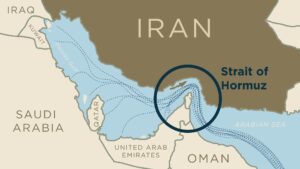



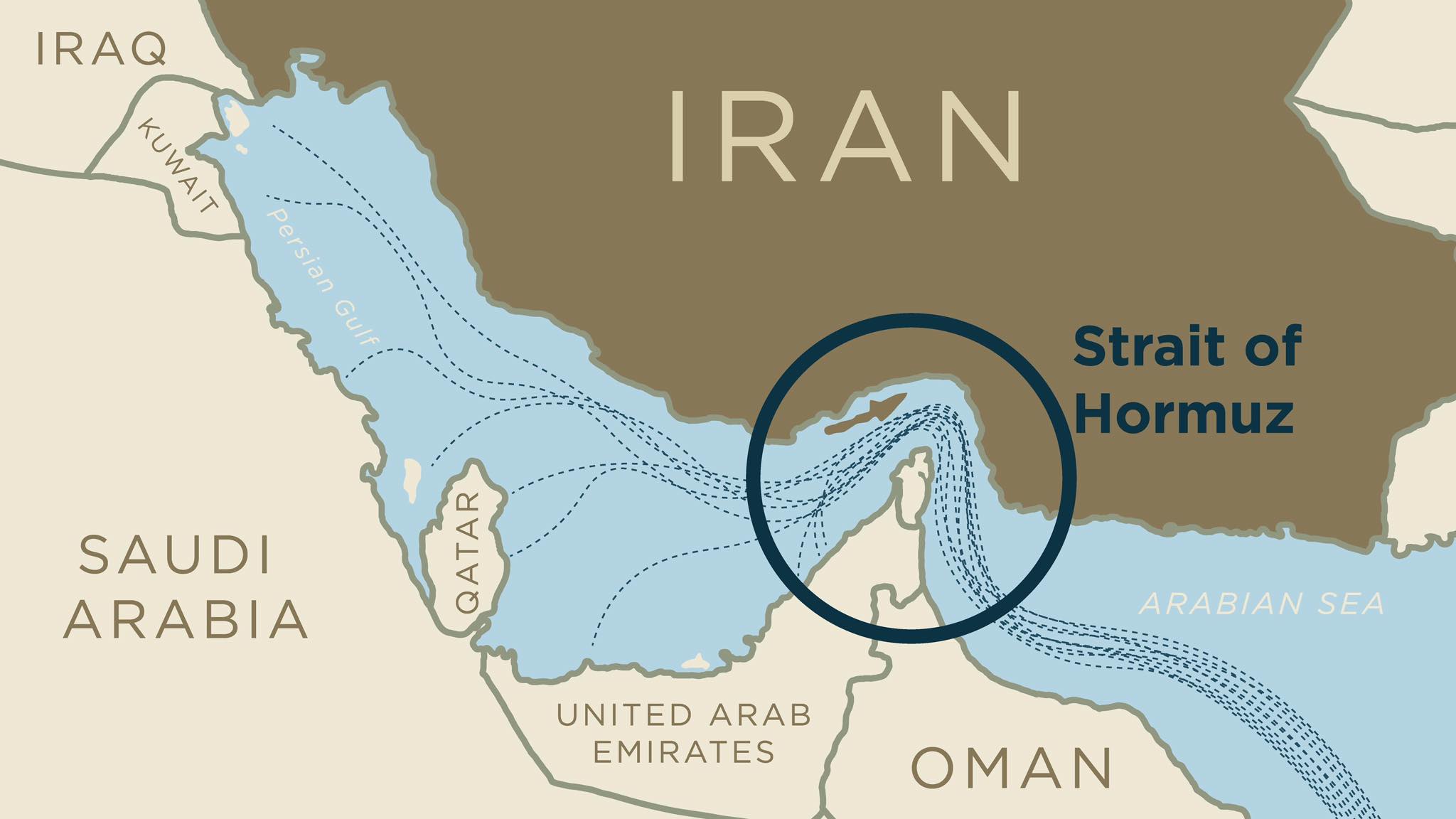
Hormuz transit fees are the new hot topic that everyone in the shipping business is talking about right now because Iran has announced a plan to start charging boats that pass through the strait. This is a huge deal because about a third of the worlds oil goes through that tiny bit of water and if they start asking for money it could make the price of gas go up everywhere from New York to Tokyo.
The government in Tehran is saying that they need these Hormuz transit fees to pay for the security and the environmental protection of the area but many other countries are saying this is not legal under international law. They think it is just a way for Iran to make some extra cash while they are under sanctions from the west and it is causing a lot of tension in the gulf.
Read Also: Hormuz Ship Safety: Why Macron Wants Sea Lanes Open
The way it works usually is that ships have a right to pass through international straits without paying a toll like a highway but Iran is arguing that they provide a service by keeping the lanes safe from pirates and accidents.
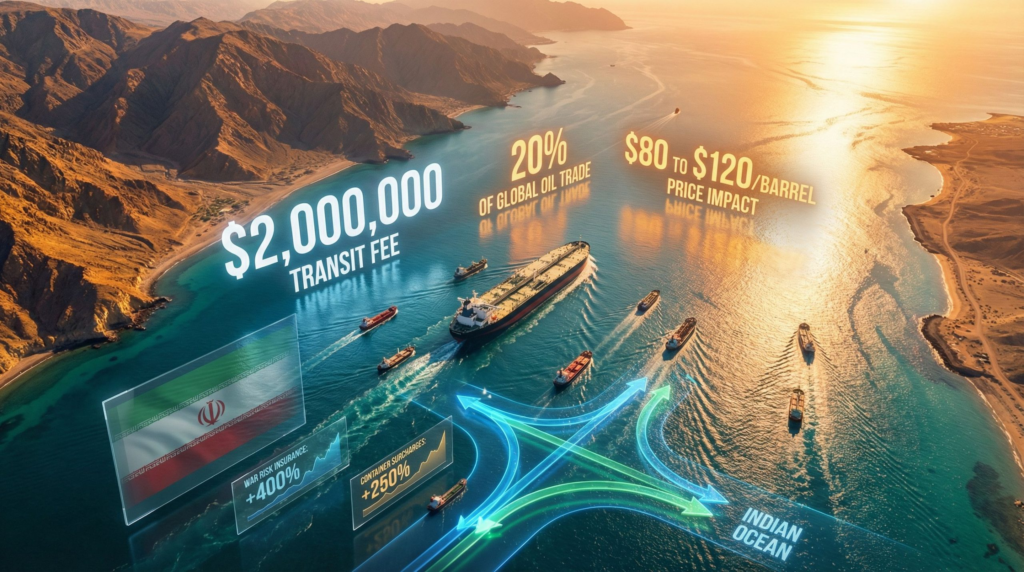
If they actually start collecting these Hormuz transit fees it would be the first time in history that a country tries to tax a natural waterway that is so vital for the global economy. Most ship captains are worried that if they don’t pay they might get stopped or delayed by the navy which would cost their companies millions of dollars in late fees and insurance hikes.
The economic impact of Hormuz transit fees on oil prices
When you think about the math it is pretty scary because even a small charge per barrel adds up to billions of dollars every year. This is why the news of Hormuz transit fees has sent shockwaves through the stock markets and the energy sector.
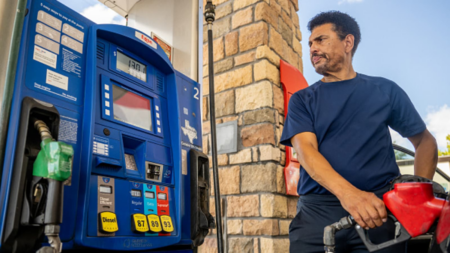
Oil companies are already trying to figure out if they can send their tankers around the bottom of Africa instead but that takes a lot longer and uses way more fuel. The threat of these Hormuz transit fees hanging over the market makes the price of crude oil very jumpy and that usually means the regular person at the gas station is the one who ends up paying the bill at the end of the day.
Read Also: Strait of Hormuz Help: Trump vs China High-Stakes
Legal battles and international reactions
Lawyers who study the law of the sea are having a busy week trying to see if there is any way to stop this from happening. They say that the 1982 convention on the law of the sea makes it clear that you can’t just charge for passage in a strait like this.
But Iran hasn’t signed all parts of that treaty so they feel they have a loophole to ask for Hormuz transit fees whenever they want. This legal mess is exactly what makes the situation so dangerous because if there is no agreement on the rules someone might try to use force to keep the water open. The United States and its allies have already said they will protect the freedom of navigation but adding Hormuz transit fees to the mix makes the politics much more complicated.
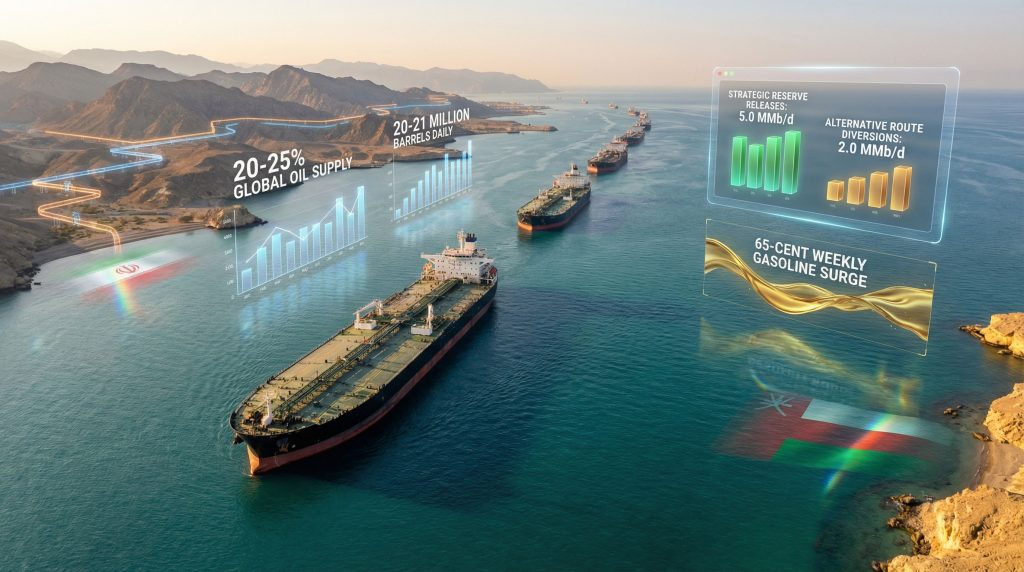
The big shipping companies are also speaking out saying that they already pay a lot for insurance because the region is so unstable. Adding Hormuz transit fees on top of high insurance premiums might make some routes not worth the trouble anymore. This could lead to a shortage of supplies in some parts of the world which is the last thing anyone wants right now with the way the global economy is struggling. Every time a new report comes out about the Hormuz transit fees the maritime industry gets more nervous about the future of trade in the middle east.
Environmental excuses or real concerns
Iran claims that the massive tankers are leaking oil and hurting the fish and the coral reefs in the strait. They say the Hormuz transit fees will go into a special fund to clean up the water and protect the nature in the region. While it is true that the environment is being hurt it is hard for many people to believe that this is the real reason for the new tax. If they really cared about the water they would work with their neighbors like the UAE and Oman to solve the problem together instead of just demanding Hormuz transit fees from passing ships. It feels more like a political move to show power in a very strategic location.
Read Also: Oil Tanker Costs Surge After Hormuz Crisis
We have to see if any ship actually pays the first bill when it comes due. If one company pays then it sets a precedent and everyone else will probably have to follow suit. This is why the first few weeks of this plan are going to be very tense for the whole world. The Hormuz transit fees could become a permanent part of the shipping business or they could lead to a major standoff that nobody is really ready for. We can only hope that the diplomats can find a way to talk it out before things get out of hand in the water.
The story of the Hormuz transit fees is a reminder of how much we rely on just a few miles of water for our modern way of life. If that water gets too expensive or too dangerous everything we buy gets more expensive too. It is a high stakes game of poker where the chips are oil barrels and the table is the ocean.