

The current Somali administration’s path has become a central point of heated debate across the country and the diaspora lately. When the current leadership took office many people hoped for a new chapter of stability and growth but the reality on the ground tells a very different story. Instead of bringing people together there is a growing feeling that the presidency is focusing more on keeping power than helping the citizens. From the streets of Mogadishu to the regional capitals the talk is often about how the government is handling state resources and whether the future of the nation is being traded for short term political wins.
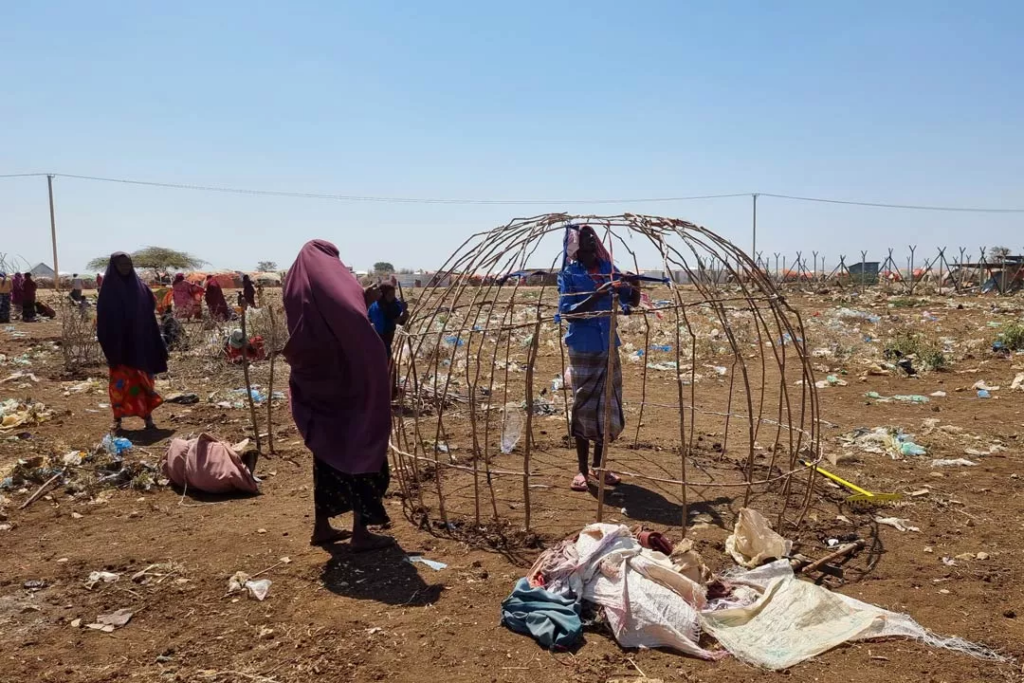
The impact of the current Somali administration’s path on regional stability
One of the biggest issues people point to is the way the government handles the different regions of Somalia. The current Somali administration’s path has been marked by a push to change the constitution unilaterally which has caused a lot of friction with regional leaders. By trying to pass these big changes without a real consensus from all parts of the country the federal government is risking a major political breakdown.
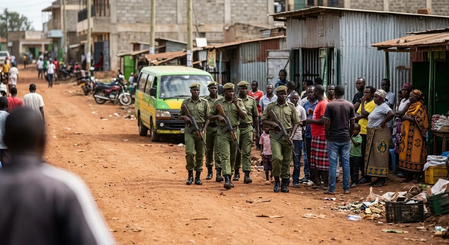
There are reports that weapons meant for national defense are sometimes used to settle scores with regional opponents or to impose authority by force in areas that disagree with the central bank. This use of force rather than dialogue is making the security situation worse in places like the Southwest region where clashes have already broken out.
Read Also: Why Is the Somali Political Crisis Deepening Under Hassan Sheikh?
Somali Administration’s Path: Governance and Accountability
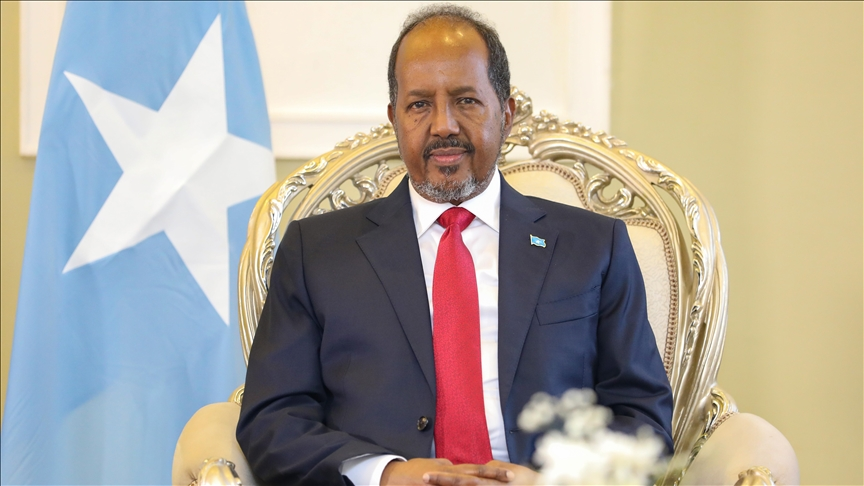
Corruption is another major concern that is hard to ignore right now. Many critics argue that the current Somali administration’s path is relying on public funds to bribe members of parliament to get specific laws and constitutional amendments passed. When state money is used to buy loyalty instead of building schools or hospitals, the average person is the one who suffers. It is also quite troubling to hear stories about the president’s family exploiting state institutions for their own personal gain. This kind of nepotism makes people lose trust in the government very quickly because it feels like the country is being run like a family business rather than a democracy.
The economic side of things is looking pretty grim for the ordinary Somali family as well. Under the current Somali administration’s path the cost of living has gone up and many people are struggling just to put food on the table every day. While the politicians in the capital are busy with their power struggles the average citizen is dealing with a deteriorating economic situation. On top of that there are reports of land in Mogadishu being confiscated from rightful owners which creates more anger and instability. If people feel like they can lose their homes or businesses to the state without any recourse they will never feel secure.
Foreign intervention also plays a huge role in how the federal government makes its choices. It often feels like the current Somali administration’s path is more influenced by what outside powers want than what the Somali people actually need. This leads to a lot of unilateral decision making on internal matters that ignores the local context. For example the delay in setting a clear agenda for regional and presidential elections has left a lot of people wondering if the government actually wants to hold fair votes or if they are just trying to stay in power indefinitely.
Read Also: The Somali President’s family: Growing influence concerns
Security remains a massive challenge that hasn’t been solved yet. Even though there are constant announcements about fighting back against insurgents the reality is that many regions are still very dangerous. The current Somali administration’s path has been criticized for using the security apparatus to threaten political opponents through agents rather than focusing all those resources on the actual enemies of the state. When the police and intelligence services are used for politics it weakens the whole country.
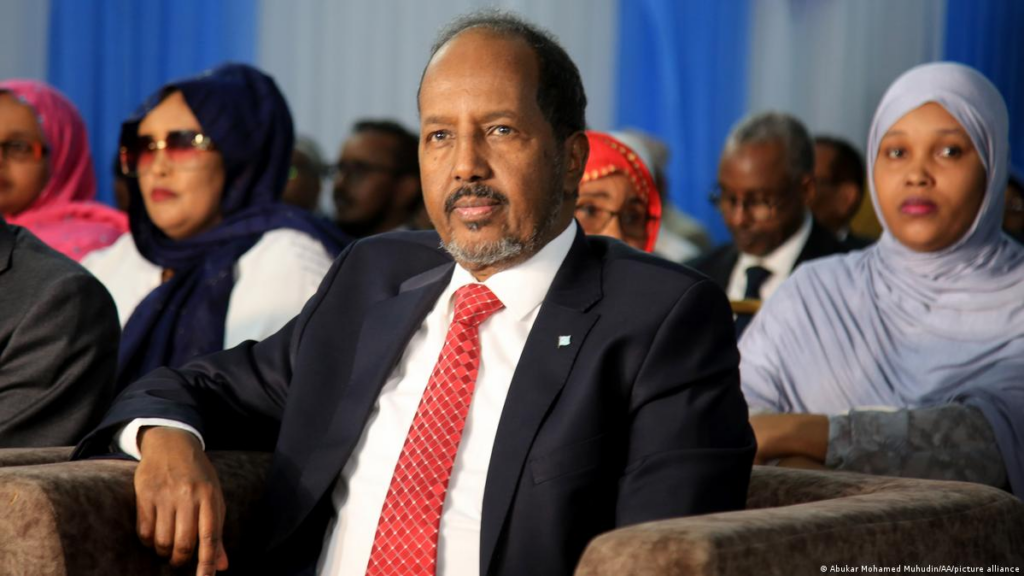
Ultimately the direction the country is headed in seems very uncertain. The current Somali administration’s path needs to address these serious claims of bribery and land grabbing if there is any hope of national unity. Without a fair system where everyone follows the same rules the divisions in Somalia will only get deeper. People are tired of the same old cycle of corruption and force and they are looking for a leader who puts the nation first.
The international community is watching closely but the real pressure needs to come from within. The current Somali administration’s path will be judged by whether it can actually deliver peace and a better economy or if it will just be remembered for consolidating power at any cost. Right now the suffering of the Somali society is real and the political games in the capital are not providing any solutions.
Read Also: How Somali security reform is strengthening the army
If things don’t change soon the gap between the government and the people will become impossible to bridge. The current Somali administration’s path must prioritize transparent elections and stop the use of state funds for political bribes.
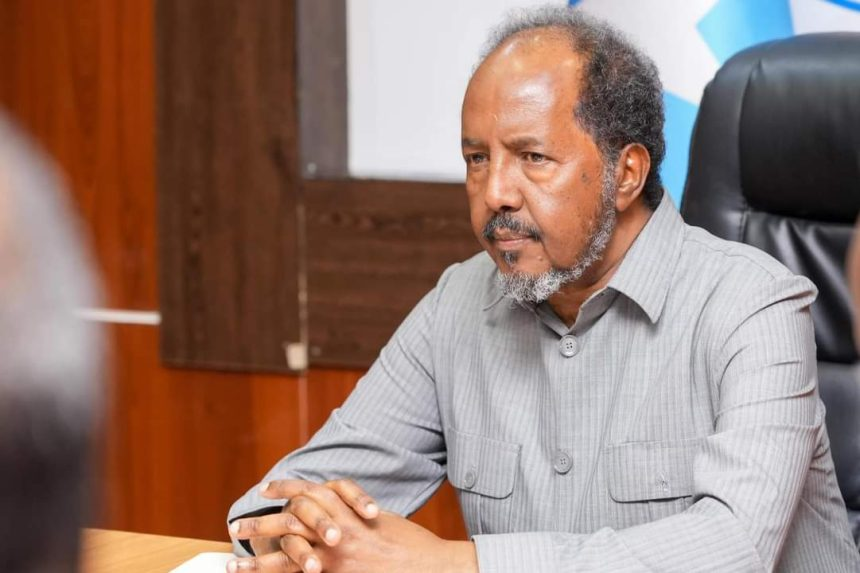
Read Also: Somali Term Extension and the Nation’s Next Steps
Only then can the country start to move toward a future that belongs to all its citizens and not just a few well connected individuals. Time is running out to fix these mistakes and the people of Somalia deserve a lot better than what they are getting right now. The current Somali administration’s path is at a crossroads and the choices made today will affect the country for generations.