


Smart car vision technology is the main brain behind how modern vehicles can drive themselves around town without a human holding the steering wheel. When you look at a new vehicle you might notice small cameras and glass bubbles hidden near the mirrors and the front grille. This smart car system acts just like human eyes by constantly taking pictures of everything that is happening around the vehicle at every single second. It is amazing because the computer has to look at the lines on the asphalt and the color of the traffic lights all at the same time.
Without a proper smart car setup the vehicle would be completely blind and would not know if it is driving on a sidewalk or a proper lane. Many companies are spending millions of dollars to make these cameras better because they know that safety depends entirely on how well the vehicle can see its surroundings.
Read Also: Will the future career path survive smart technology rise?
How the smart car vision tracks lane markings and signs
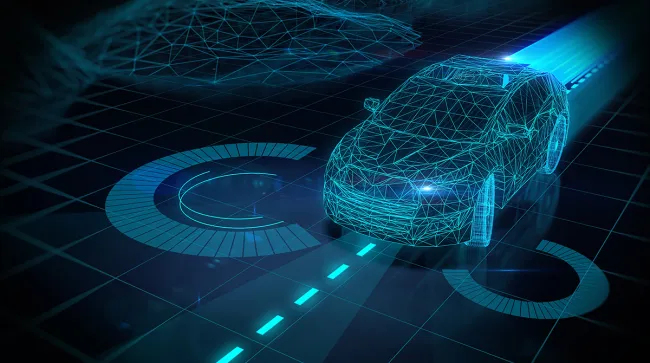
The hardest part for the smart car vision system is dealing with messy roads where the white lines are old or covered by rain and dirt. The computer uses special software that breaks down each video frame into tiny pieces to look for patterns that match a normal road lane. This part of the smart car is called machine learning because the computer has already looked at billions of photos of real streets before leaving the factory. If a pedestrian suddenly steps off the sidewalk the smart car system spots them immediately and calculates how fast they are walking.
It is like having a super fast brain that never gets tired or looks down at a mobile phone while driving through a busy intersection. This is why the smart car is much safer in theory than a human driver who might be distracted by a radio station or a conversation.
Dealing with bad weather and dark nights
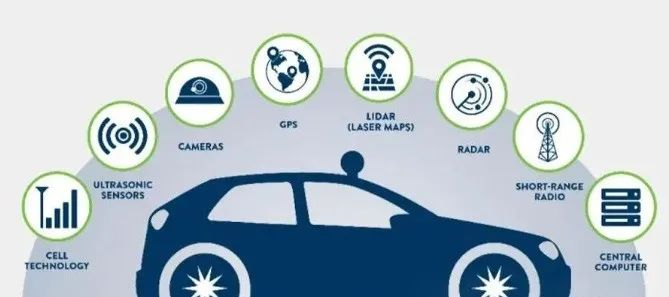
A big challenge for the smart car vision network is when the weather gets really bad like during a heavy snowstorm or a foggy night. Regular cameras cannot see through thick fog just like humans cannot see well so the smart car vision has to use extra tools like radar and laser sensors to help out. These extra sensors send out invisible beams that bounce off objects and come back to the vehicle to create a 3D map of the street. Even when it is pitch black outside the smart car vision can tell if there is a parked car or a bicycle coming around the corner.
This combination of cameras and sensors makes the smart car vision much more reliable because if one camera gets covered by mud the other sensors can still guide the vehicle safely to its destination.
Read Also: Why did the UAE leave Opec after 60 years of membership?
The future of AI driving in big cities
As we move forward we will see the smart car vision software getting much smarter at understanding human behavior on the streets. For example if a cyclist puts their hand out to turn the smart car vision system will understand what that gesture means and slow down the car accordingly. This level of understanding takes a lot of programming because humans do a lot of small actions that computers find hard to interpret at first glance. If we can master this technology then our cities will have much less traffic jams and almost zero accidents on the highways.
Everyone will be able to just sit back and relax or read a book while their vehicle does all the hard work of navigating through the morning rush hour.
Read Also: Will Modern ai diagnosis Change How Doctors Detect Disease?
In conclusion the way cars recognize roads is truly a marvel of modern technology and engineering working together. The smart car vision systems we have today are just the beginning of a massive change in how we travel from one place to another.
It takes a lot of hard work to make these machines trustable but the progress is happening faster than anyone ever imagined a few years ago. We should be excited about this future because it means safer streets for our children and less stress for everyone who hates driving in crowded cities.
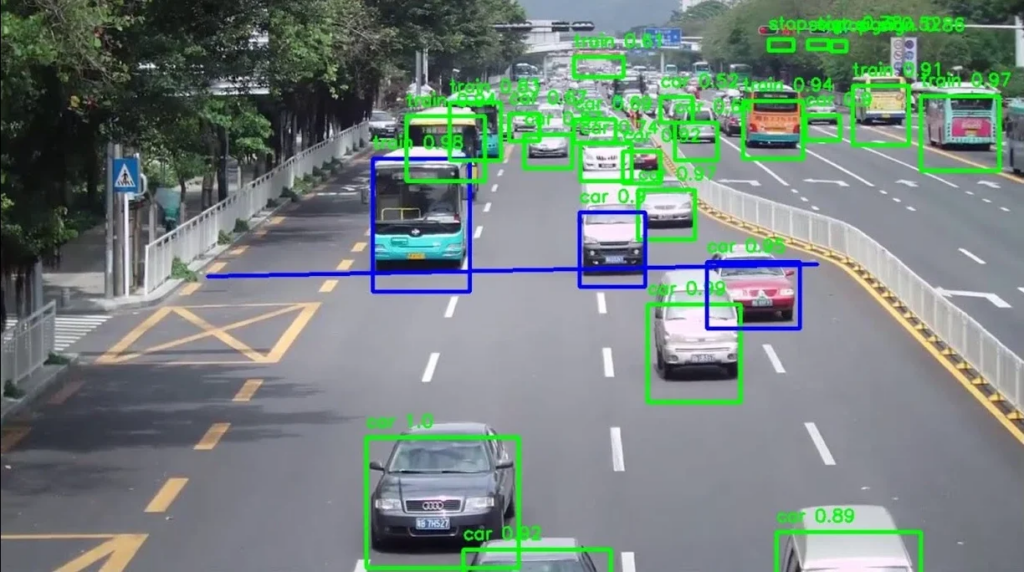
The next time you see a car with cameras on its roof remember that it is using a complex smart car vision system to make the world a better place.
It is a long journey to perfect this technology but we are definitely on the right track to making autonomous driving a normal part of everyday life.