

Somali cultural sites represent a rich history that goes back thousands of years but many people outside Africa do not know much about them. When you think of this region you might only think of recent conflicts and difficult times but the ground holds beautiful secrets from ancient times. From beautiful old mosques to prehistoric drawings on cave walls the heritage of this nation is truly amazing. Exploring these special places gives us a clear window into how ancient traders travelers and artists lived their lives along the coast and in the mountains.
Read Also: Six incredible Somali tourism spots that you need to visit
The current state of Somali cultural sites today
The most famous place that everyone talks about when discussing Somali cultural sites is the ancient rock art at Laas Geel. Located in the northern area near Hargeisa these caves contain some of the oldest and best preserved cave paintings on the entire African continent. The drawings show beautiful cows dogs and human figures painted with bright red and yellow colors that are still visible today. It is incredible to stand inside those caves and realize that artists created this beautiful work thousands of years ago before modern civilization even started.
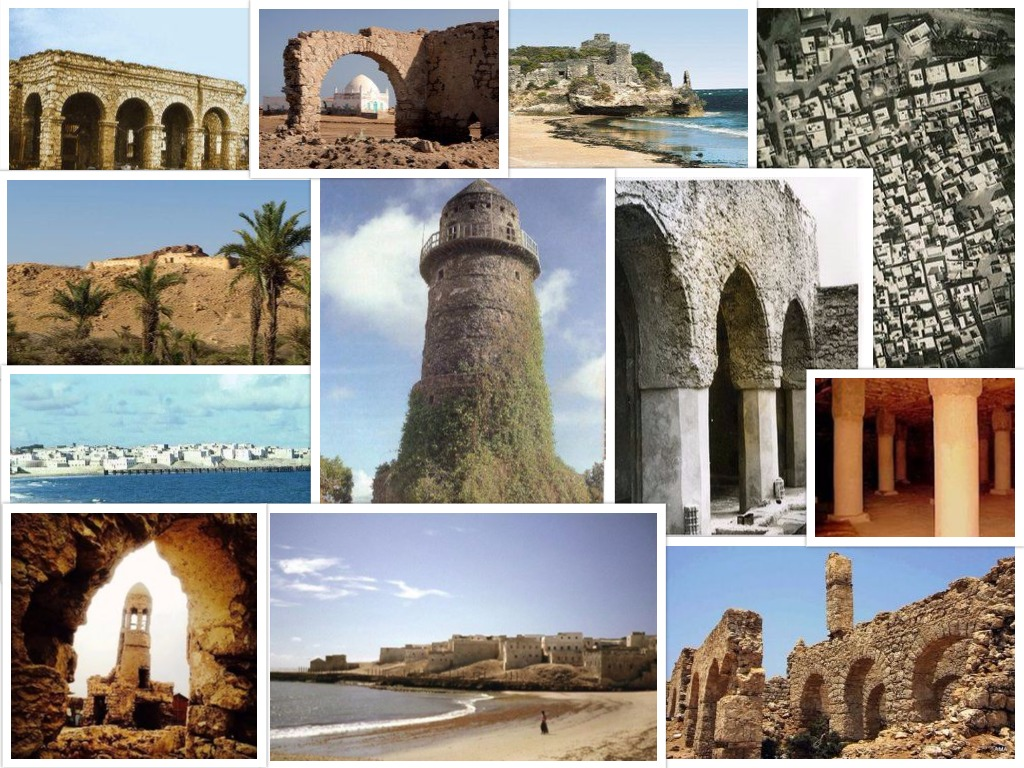
Another major part of the Somali cultural sites network is the historic city of Zeila which sits right next to the blue ocean. In the old days Zeila was a huge trading hub where people from Arabia Persia and China came to buy and sell goods. Today you can still see the ruins of the Mosque of the Two Qiblas which is one of the oldest Islamic structures in the world. Walking through these silent stone ruins makes you feel like you are stepping back into a time when ships filled the harbor with spices and silk.
Read Also: Traditional Somali markets and five things to know?
Mogadishu and the struggles of Somali cultural sites
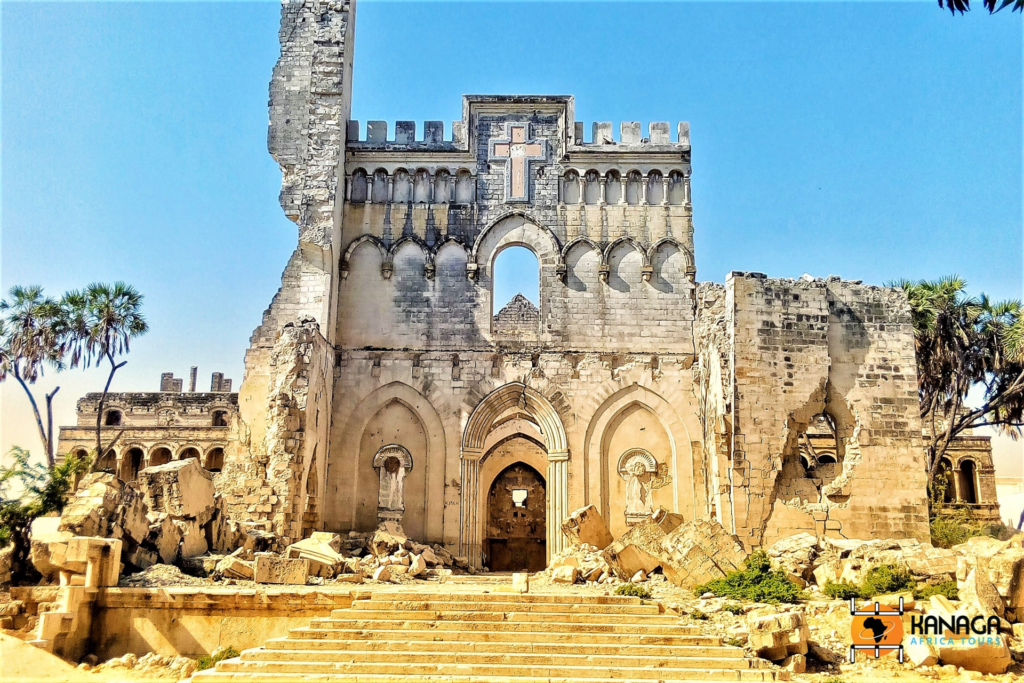
The capital city also holds many important historical treasures even though many buildings were damaged during the long years of civil war. The National Museum of Somalia used to hold thousands of ancient coins traditional weapons and beautiful wooden artwork from old kingdoms. Local workers are trying very hard to rebuild this museum now so that young kids can learn about their identity. Protecting these Somali cultural sites is a big challenge because the government does not have a lot of money to spend on restoring old stones when people need food and schools.
Why we must save Somali cultural sites for the future
You might wonder why old buildings matter when a country is trying to develop its modern economy and infrastructure. The truth is that Somali cultural sites give the young generation a sense of pride and unity that helps heal the wounds of the past. When teenagers see the beautiful lighthouse of Mogadishu or the ancient tomb towers in the countryside they realize their ancestors built a great civilization. This knowledge encourages them to work together to build a peaceful and stable society for their own children.
Many international groups are beginning to help local historians map out these Somali cultural sites using digital cameras and modern technology. They want to make sure that even if a building falls down because of bad weather or neglect the memory of its structure will be saved forever. Some universities are also creating online guides so that people living far away can take a virtual tour of these hidden African treasures. It is a slow process but every little step helps keep the history alive.
In conclusion exploring the different Somali cultural sites shows us that the country has a lot more to offer than what you see on the evening news. The ancient caves old mosques and ruined ports are quiet witnesses to a glorious past that deserves to be respected and protected.
Read Also: How Do Somali Wedding Traditions Bring Families Together?
By investing time and effort into saving these landmarks the nation can welcome tourists in the future and share its beautiful stories with the rest of the world. We should not let these beautiful treasures disappear because they belong to the shared history of all human beings on this planet.