

Old Somali school systems were completely different from the modern classrooms we see today because life in the past was based on moving from one place to another with livestock. In those early days the children did not have heavy bags filled with printed notebooks or colorful pens like they do in the twenty first century.
Instead the old Somali school experience was mostly about sitting under a big tree in the village to learn reading and writing from a wise local teacher. This traditional style of education focused heavily on memorizing beautiful poems and learning how to count the family animals in the hot desert sun. Parents trusted this simple method because the old Somali school taught the boys and girls how to survive the harsh droughts and respect the old customs of their ancestors. But when the big towns started to grow the people realized that the country needed a new way of learning to keep up with the changing world outside.
Read Also: Why is the Somali camel culture so important to the nomadic life?
How the modern classroom replaced the old Somali school method
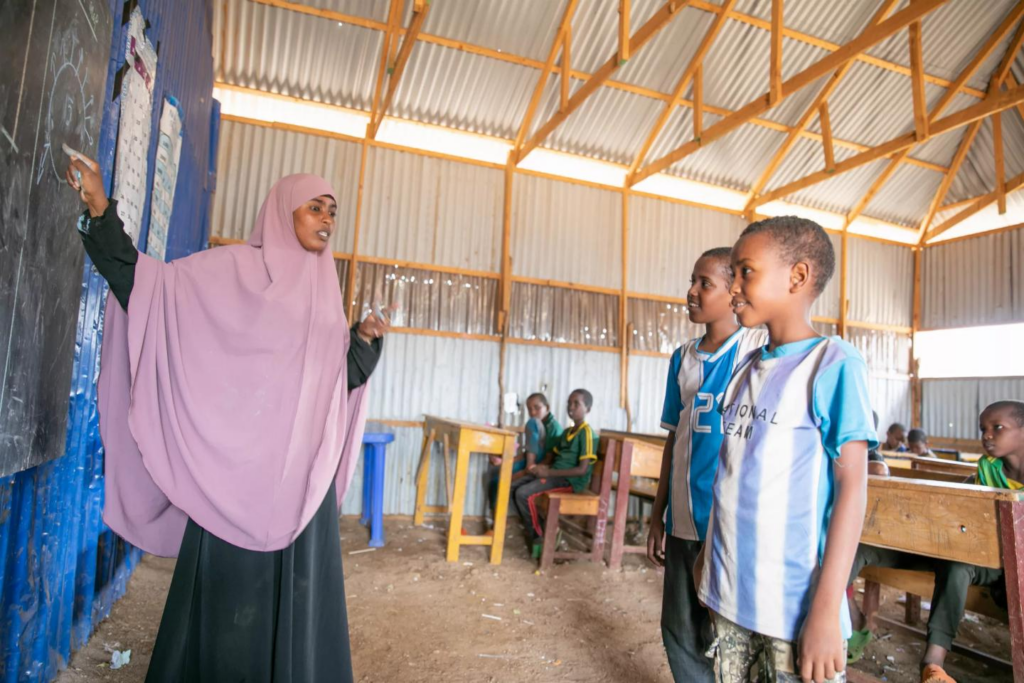
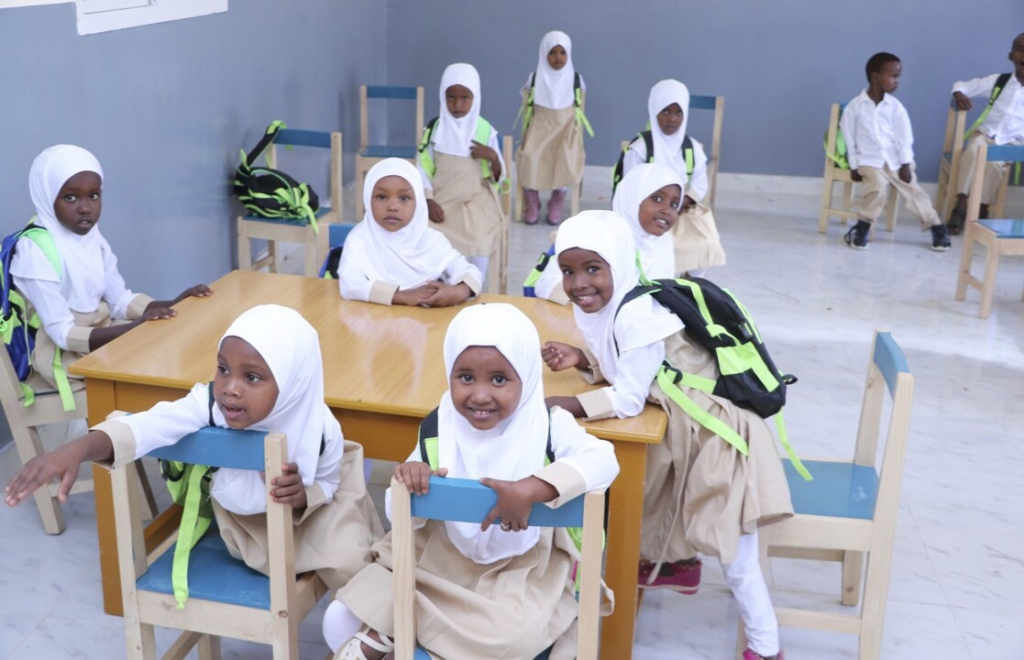
The transition away from the Somali school style began when the government started to build permanent concrete buildings with desks and big blackboards in the major cities. Instead of just learning under a tree students in the modern era now have a set time to go to class and study multiple subjects like mathematics and world history.
This shift shows a big contrast with the old Somali school setup where a single teacher would handle all the kids of different ages together in one group. Today the children use official textbooks written in the national language and they have to pass written exams at the end of every term to move to the next grade. While the old Somali school was great for nomadic survival the modern system tries to prepare the youth for jobs in banks offices and hospitals.
The heavy challenges that modern schools face today
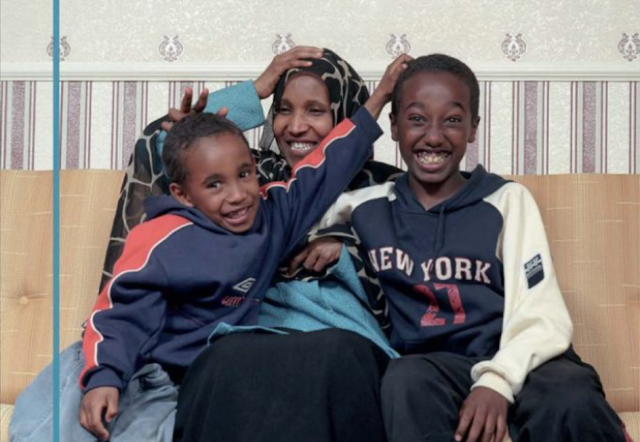
Even though the new schools have better tools than the old Somali school ever had they still face huge problems because of the long years of war and poverty. Many buildings do not have enough chairs or clean water for the students and the teachers often work for months without getting their monthly pay from the city council.
This makes some people look back at the old Somali school with a lot of nostalgia because the old ways did not cost any money and were always available for the poor families. International groups are now trying to help by sending money to build new classrooms but the progress is very slow because some roads are too dangerous to travel. It shows that having modern books is not enough if the country does not have total peace and safety for the children walking to school every morning.
Read Also: Traditional Somali markets and five things to know?
The role of technology in bridging the gap between past and present
Now some schools are trying to mix the best parts of the past with new technology like mobile phones and small solar radios to reach the deep villages. This means that a child living in a remote camp can listen to a lesson just like their grandparents did but the voice is coming from a digital speaker instead of a local elder. This modern twist on the old Somali school idea allows education to continue even when there are no permanent buildings or trained teachers available in the neighborhood. It is a very clever way to solve the lack of schools and it gives the poor kids a chance to learn how to read without leaving their family farms.
Read Also: How Somali media influence shapes national culture growth
In conclusion the way young people get knowledge in East Africa has gone through a massive transformation over the last few decades. The old Somali school gave the nation its core identity and taught the people how to be strong and patient during the hardest times of history. Modern schools are trying to add science and global skills to that strong foundation so the next generation can build a prosperous country. We should respect both the old teachers who taught under the trees and the new ones working in the city classrooms today. By remembering the past and welcoming the future the country can create an education system that truly fits the needs of its people.