

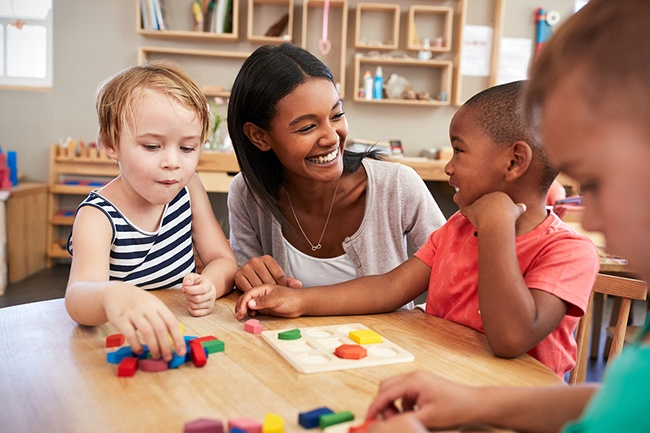
Early childhood education is a subject that many parents in Somalia are starting to think about more because they want a better future for their small children. In the past people used to wait until a child was seven or eight years old before sending them to a real school building to learn. But now we know that the brain grows very fast when a person is under five years old and this is the best time to start teaching them. If a kid gets a good start in a nice kindergarten they will have a much easier time when they grow up and enter the bigger classes.
Read Also: Why Old Somali School Methods Changed for Young Kids
The current state of early childhood education in the country
When you look at the streets of Mogadishu or smaller towns you see that finding a good place for early childhood education is not easy for every single family. Most of the preschools that open today are private which means mothers and fathers have to pay a lot of money every month to send their kids there. If a family is poor or has many children they usually cannot afford this luxury so the kids just stay home until they are older. This creates a big difference between the rich kids who get to learn early and the poor kids who miss out on this great opportunity.
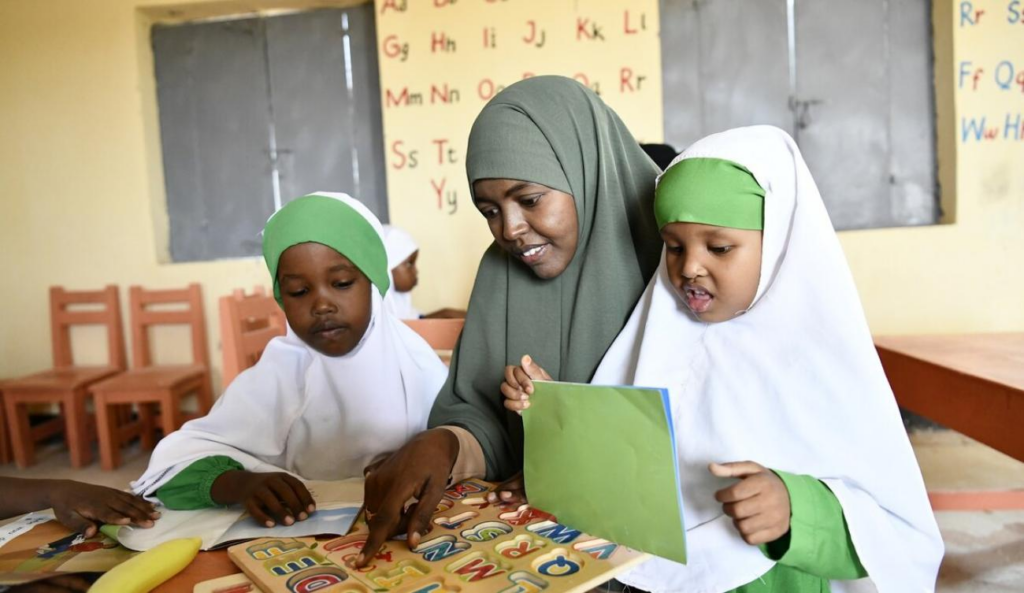
Another thing is that the teachers who work in these small kindergartens do not always have the proper training to handle very young minds. To make early childhood education really work well the country needs special books and fun games that help children learn without feeling stressed out. It should not be about heavy homework but about singing songs learning letters and playing nicely with other kids from the neighborhood. When the government does not have a strong plan for these small schools every center just does whatever they want.
Read Also: Somalia Education Gap: Youth Fight for Their Future
Why early childhood education changes the future
You might ask yourself why a four year old child needs to be in a classroom instead of just playing outside with friends. The main benefit of early childhood education is that it prepares the child for the structure of a real school day. They learn how to sit still how to listen to a teacher who is not their mother and how to share toys with others. Kids who go through this process learn how to read the alphabet and count numbers much faster than those who start school late. This early knowledge gives them a lot of confidence when they meet new friends.
Overcoming the challenges of early childhood education
There are some local groups and international helpers who are trying to build free centers for early childhood education in the poor neighborhoods. They know that if you want to fix the bigger problems of the country you have to start with the smallest citizens. By giving kids free books and a safe space to learn they are trying to spread early childhood education to places that were completely ignored before. Some places even offer a free morning snack which helps parents who struggle to buy food every day.
Mothers are also playing a very big role in pushing for more early childhood education centers because they see the difference in their children. A child who attends preschool comes home excited to show their family how to draw a shape or speak a new word. This brings a lot of joy to the household and makes the parents willing to sacrifice other things just to keep them in class. It is a slow change but the mindset of the people is definitely moving in the right direction.
The long term impact of early childhood education
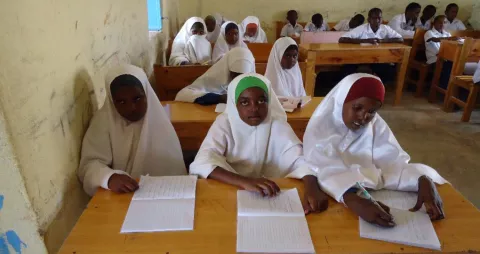
If a nation invests heavily in early childhood education it will see the results after fifteen or twenty years when these kids become adults. They are less likely to leave school early and they will have better skills to get good jobs like being a teacher or a nurse. This basic foundation of childhood education is like digging a deep hole before you build a big house so that the walls do not fall down later. We cannot build a strong society if we ignore the minds of our youngest children when they are ready to absorb everything.
Read Also: Is traditional Somali education better than modern schools?
In conclusion supporting childhood education is one of the smartest things any community can do to fight poverty and ignorance. The kids in Somalia have a lot of energy and they are very smart they just need the right doors to be opened for them early in life. By making sure that every small boy and girl has a seat in a friendly kindergarten we are helping the whole country move toward a brighter and more peaceful tomorrow.