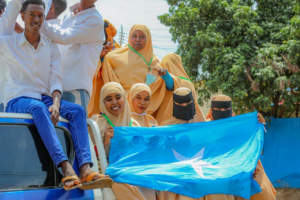

Somali education changes are happening every single day as the country looks toward the future. For centuries people in this part of Africa relied almost entirely on traditional methods to teach their children. Parents wanted their kids to learn good morals values and reading skills through religious texts. But as the world became more connected there was a huge push to build a new system that could help young people get jobs in the modern economy. Today the country is trying hard to balance its deep cultural history with the demands of the twenty first century. We can see that Somali education changes show a big struggle between keeping old traditions alive and adopting new ways of learning.
Read Also: Traditional Folk Music Preserves Heritage for Young Generations
The Historic Role of Traditional Quranic Schools
Long before modern buildings and printed textbooks existed the center of learning was the Quranic school or what local people call the Dugsi. These schools were the absolute foundation of community life across the region. Teachers who were highly respected religious figures taught children how to memorize the Quran and write in Arabic using wooden tablets and special ink made from charcoal.
- Community Based Learning: Classes usually took place under the shade of a big tree or in a small mud room.
- Focus on Memory: Children practiced repeating verses for hours until they knew them by heart.
- Character Building: The main goal was not just academic but teaching kids how to be good honest members of the tribe.
Even when the country went through tough political times these traditional schools never stopped working. They stayed strong because they did not need expensive equipment or government money to survive. However as the world changed many realized that while religious knowledge is deeply important young people also needed to learn math science and foreign languages to survive in a globalized world. This is exactly why Somali education changes became so necessary for the younger generation.
How Modern Schools Are Rebuilding Today
Building a fresh school system after decades of civil conflict has been one of the biggest challenges for the nation. When the central government collapsed in the early nineties almost all the public schools were destroyed or closed down completely. For a long time private citizens and charity groups had to step in to create independent schools so children would not grow up without knowing how to read or write.
Read Also: Six incredible Somali tourism spots that you need to visit
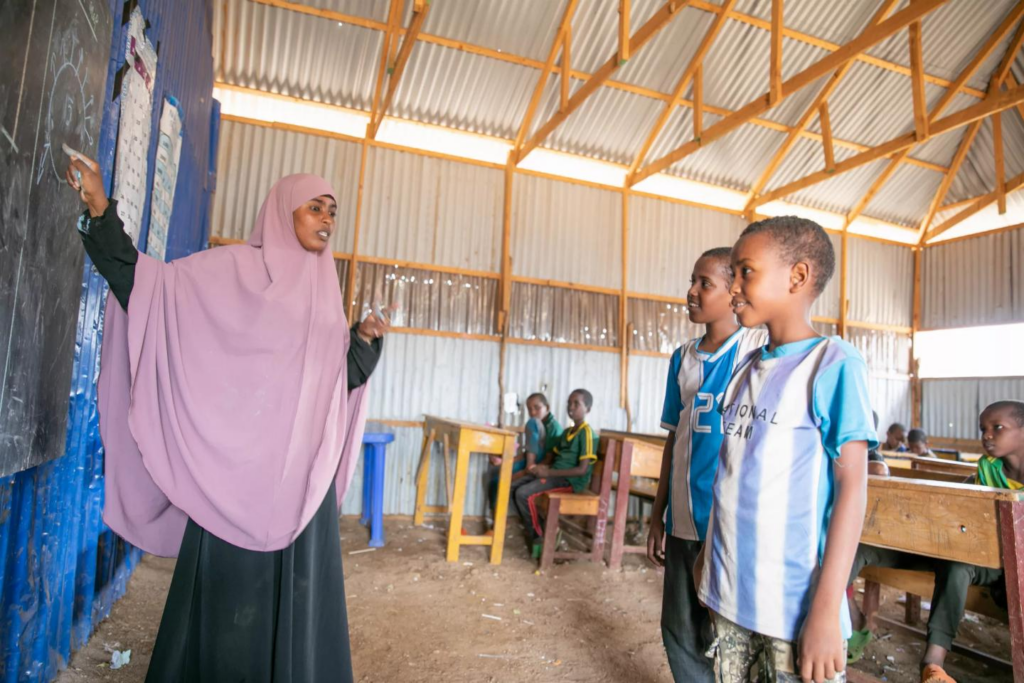
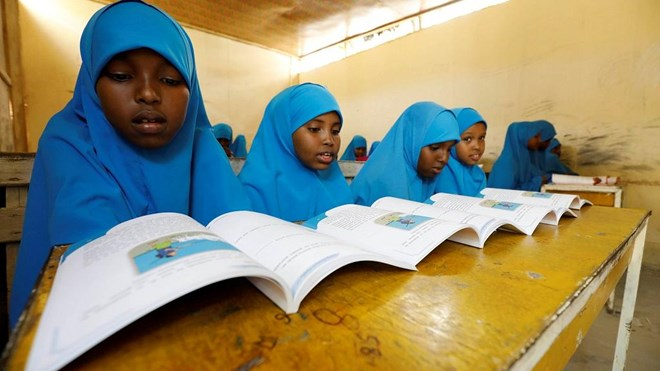
Now the ministry of education is trying to bring all these different private schools under one official national curriculum. This is a massive job because different regions were using different books from neighboring countries for a very long time. As these Somali education changes move forward more girls are finally getting the chance to sit in classrooms and study high level subjects which did not happen very much in the past.
The Big Challenges Facing Teachers and Students
Even though many new primary schools and universities are opening up in big cities life is still very hard for students in rural areas. Many families move from place to place with their animals and cannot send their children to a permanent school building.
- Lack of Trained Teachers: Many instructors do not have official degrees or professional training.
- High Costs for Families: Most schools still charge monthly fees that poor parents simply cannot afford.
- Poor Infrastructure: A lot of classrooms do not have electricity books or clean drinking water for the kids.
Because of these big obstacles we can see that Somali education changes are moving quite slowly in the countryside compared to the big towns. The government is trying to use mobile schools that move with the nomadic families but it takes a lot of money and planning that they currently do not have.
Looking Ahead to a Brighter Future
It is clear that the journey of learning in this region is far from over. The old Dugsi schools are still very popular and most children still attend them early in the morning before going to their regular modern schools later in the day. This mix of the old way and the new way shows how resilient the culture really is.
When you look at the progress made over the last ten years you can feel a lot of hope. More young people are graduating from local universities now than at any other time in history.
Read Also: Somali Visual Expression Reflects Heritage and Modern Change
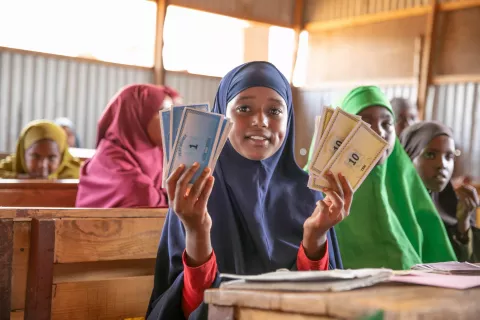
These Somali education changes are giving the new generation the tools they need to rebuild their businesses roads and hospitals. The transition from simple wooden tablets to modern computer screens is difficult but it is a path that the country is determined to follow until every child has the right to a quality education.