


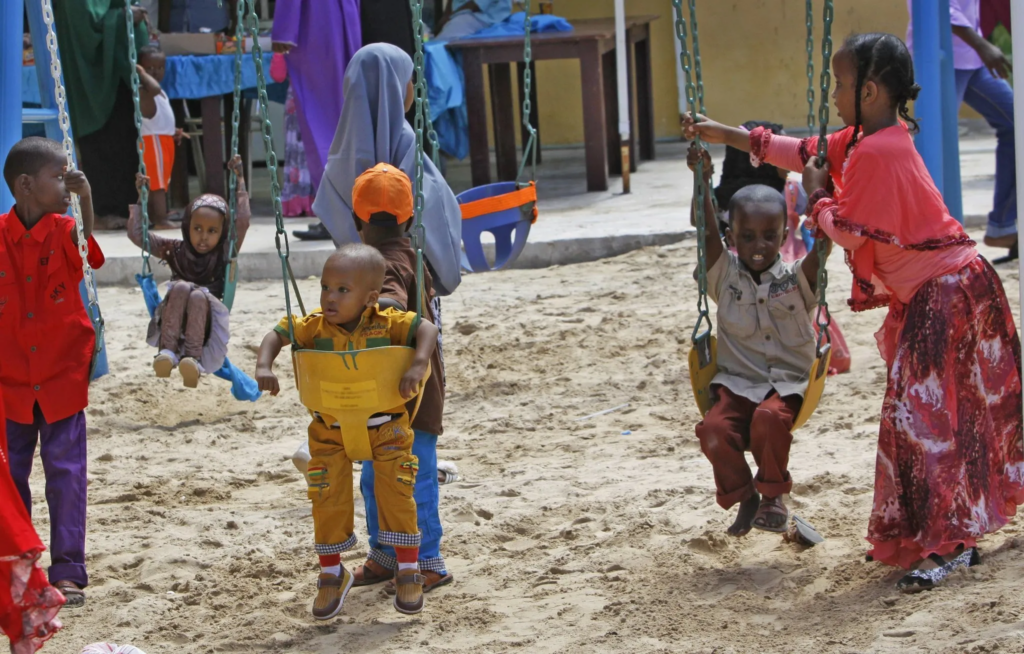
Traditional somali games have been a massive part of growing up in East Africa for hundreds of years keeping children happy healthy and closely connected to their rich cultural heritage. Before the arrival of modern smartphones video games and internet screens young boys and girls used their rich imagination to invent fun outdoor activities using simple objects from nature. They would gather in large groups in villages or city neighborhoods right after finishing their daily school tasks or helping their parents herd livestock.
Playing these beautiful traditional somali games allowed the younger generation to build strong bodies learn teamwork rules and practice patience under the warm afternoon sun. Today these ancestral activities serve as a living link to the past showing how previous generations enjoyed their childhood through pure movement and social bonding.
Read Also: Ancient Somali Trade Routes Linked Worlds Across Oceans
Popular Outdoor Sports and Group Play Activities
The most famous activities that kids play on the dusty fields require absolutely no expensive equipment or manufactured toys from stores.
- The Catching Challenge: A super fast running game where one child tries to tag others who are sprinting across a wide open space to reach a designated safe zone.
- Jumping Over Obstacles: Young boys often practice high jumping over stacked tree branches or soft sand dunes to show off their physical strength and agility.
- Target Throwing Matches: Using small smooth stones or dried seeds children practice throwing accurately at specific marks on the ground to improve their hand eye coordination.
When kids participate in these active traditional somali games they naturally get a lot of healthy physical exercise while laughing and shouting with their best friends.
The competitive spirit is always friendly because the main goal of these gatherings is to bring different families closer together in a peaceful environment.
Read Also: Somali City Names Reveal East Africa’s Trading History
Creative Counting and Strategy Contests for Evenings
When the sun goes down and the weather becomes cool children often sit down in circles to play slower games that challenge their minds and memory skills.
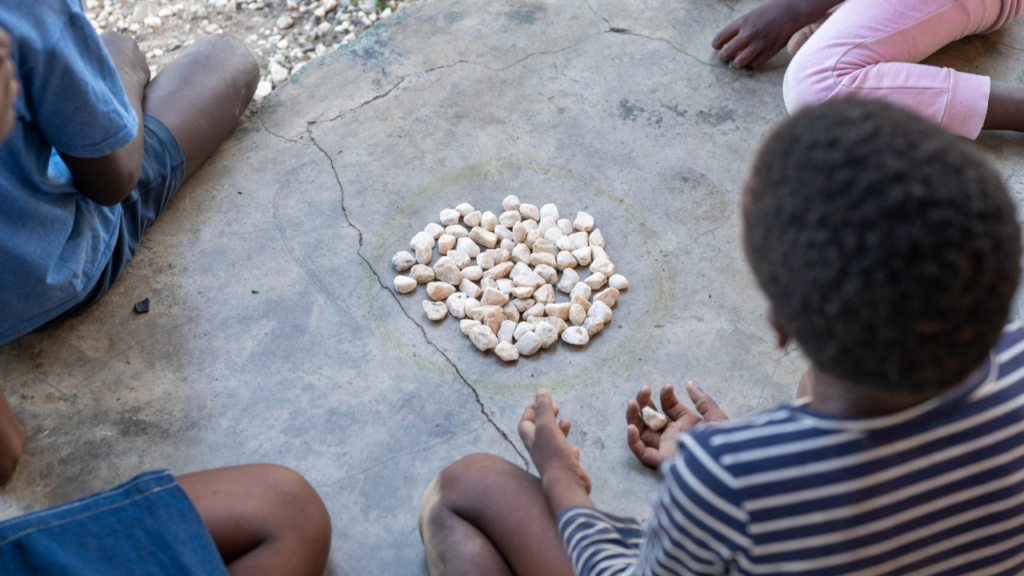
Many of these intellectual traditional somali games involve drawing small circles in the dry dirt and using tiny pebbles to capture the opponent territories through strategic moves. These counting matches are highly respected by village elders because they teach young children how to think ahead calculate risks and make smart decisions under pressure.
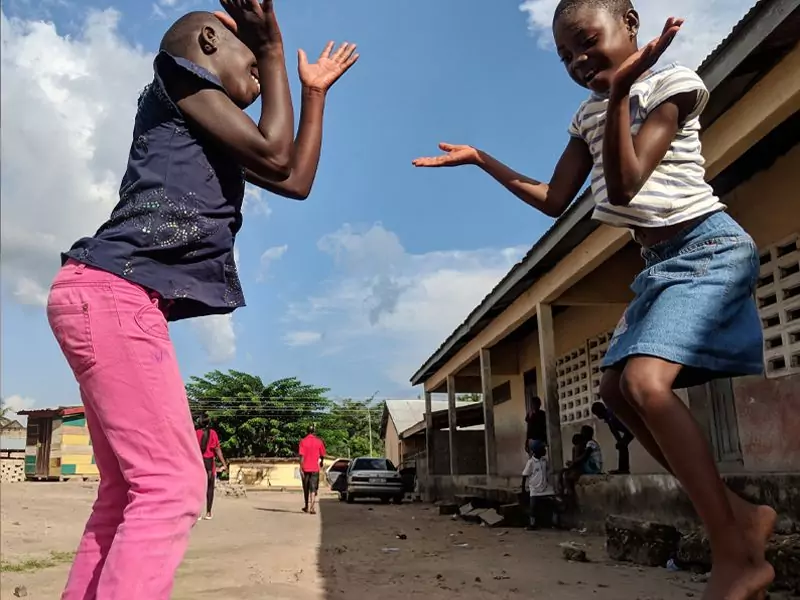
Girls also enjoy singing beautiful traditional songs while playing rhythmic hand clapping games that require perfect timing and memory. These peaceful traditional somali games ensure that the oral traditions and old poetic rhythms of the culture are passed down naturally to the next group of leaders.
Why We Must Keep These Ancient Play Habits Alive
As modern technology spreads fast into remote areas more kids are staying inside their houses to stare at digital screens instead of playing with their neighbors.
A Warning From School Teachers: Replacing physical group play with digital entertainment makes children isolated physically weaker and disconnected from their local language roots.
Parents and community centers need to actively encourage the revival of traditional somali games during weekend festivals and school sports days. Writing down the exact rules of these activities and recording the traditional songs that go with them is the only way to protect this beautiful heritage from being completely forgotten.
Preserving a Beautiful Childhood Legacy for the Future
In conclusion the unique play habits of East African youth are a true treasure that brings a lot of joy health and unity to local communities. Traditional somali games continue to prove that you do not need expensive electronic devices or plastic toys to have an unforgettable childhood full of laughter and friendships.
Read Also: Somali Cultural Icons Shaped East Africa’s Identity for Centuries
We must celebrate the creativity of our ancestors who built these timeless entertainment systems using nothing but stones sticks and pure human imagination.
By keeping these traditional somali games alive in our modern schools we ensure that our children grow up with strong bodies and a deep respect for their cultural roots. Let us continue to share these beautiful stories and active play methods with the world so the spirit of traditional youth entertainment never dies out. Every time a child plays these traditional somali games they are keeping a massive piece of history alive.