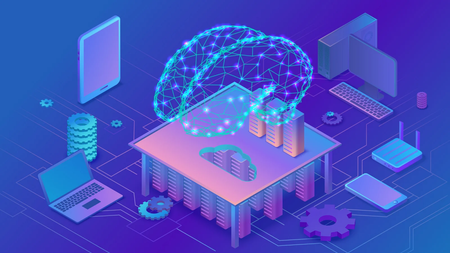



Ai economic impact is changing the entire world economy right now because smart software programs are shifting how values and profits are created across different countries. In the old days traditional factories heavy machinery and raw physical materials were the main things that made a country or a company wealthy. But today everything is moving toward digital data automatic systems and intelligent algorithms that can think and solve problems within seconds. This massive shift means that the old ways of making money are losing ground to modern technological advancements. Understanding this deep ai economic impact helps us see why some industries are growing incredibly fast while older businesses are struggling to survive in this fast changing market.
Read Also: Is Free AI tools Ending for Everyday Users?
The New Way Values Are Created in Big Industries
If you look at the major global companies today you will see that they are investing billions of dollars into automated systems to replace boring everyday tasks.
- Smart Factory Lines: Robots are now using advanced software to check product quality much faster than human eyes ever could.
- Predicting Market Trends: Automated programs analyze millions of customer shopping habits to tell stores exactly what products they should stock up on.
- Fast Customer Support: Digital assistants handle millions of basic user questions at the same time without needing a massive office building.
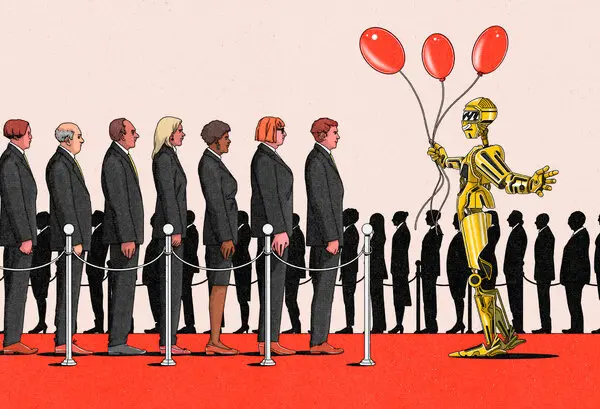
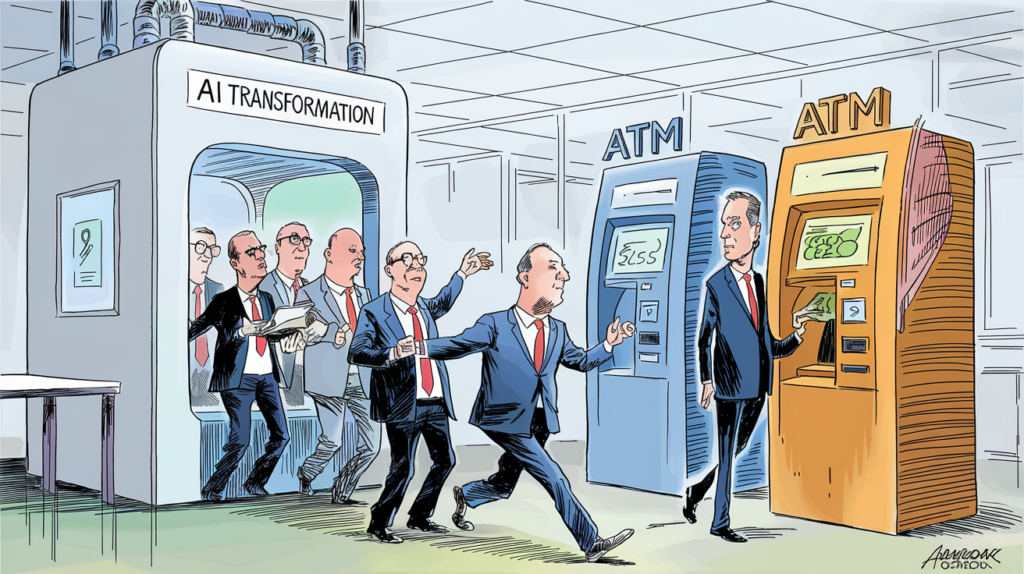
When businesses adopt these tools they experience a huge drop in their daily operational costs which alters the entire financial map. The positive ai economic impact is very clear for the tech owners who get much richer but it creates a lot of stress for traditional workers who need to learn completely new skills to keep their jobs.
Read Also: How Can Smart Tech Systems Avoid Blame for Major Errors?
Looking at the Global Winners and Losers of This Change
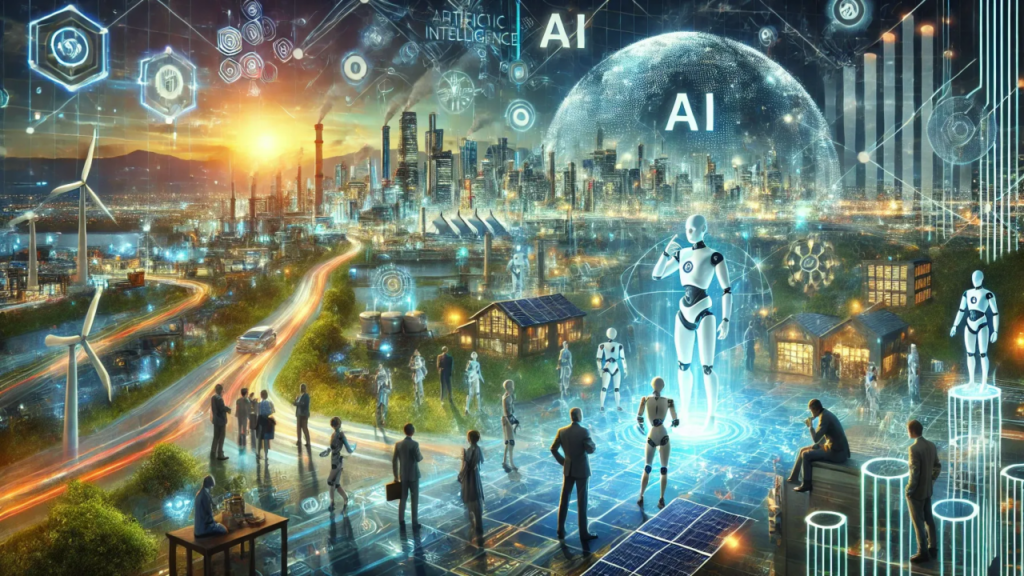
The true reality of this technological revolution is that the extra wealth is not being shared equally among all the different nations of the world. Countries that have the money to build massive data centers and hire top software engineers are pulling ahead of everyone else very quickly.
We are seeing a new type of division where a few powerful tech hubs control the software while other countries just provide the basic labor. This unfair balance is another major side effect of the growing ai economic impact on international trade agreements. If developing nations do not get access to these advanced tools they will find it very hard to compete with automated factories abroad. To avoid being left behind smaller countries must start changing their school systems to focus heavily on digital literacy and computer engineering.
How Small Businesses Can Survive the Ai Economic Impact
Many local shop owners and independent workers are terrified that these huge automated systems will completely destroy their small family operations.
A Helpful Advice From Financial Experts: You do not need to build your own expensive systems from scratch to survive because you can just use existing cheap tools to improve your daily work.
Local businesses can use simple software to manage their monthly budgets track their inventory automatically or create fast marketing ads for social media. By embracing the ai economic impact instead of fighting it small companies can actually save a lot of time and protect their local market share. This proves that technology can be a very helpful partner for regular people if they are willing to adapt early.
Preparing Our Communities for a Automated Future
In conclusion we can clearly see that smart computer programs are permanently rewriting the rules of global finance and corporate wealth. The ongoing ai economic impact will continue to accelerate as more industries find creative ways to use deep learning tools in their daily routines.
Governments need to stop ignoring this digital wave and start building proper safety nets for workers whose jobs are being automated away. We must ensure that the massive profits generated by the ai economic impact are used to train people and build better public infrastructure for everyone. If we manage this transition carefully the ai economic impact can create a much more comfortable world where machines do the hard labor while humans focus on creativity and community.
Read Also: How Future AI Growth Is Reshaping Jobs Without Layoffs
Let us work hard to make sure that the final outcomes of this ai economic impact benefit the whole society instead of just a few rich tech companies.