

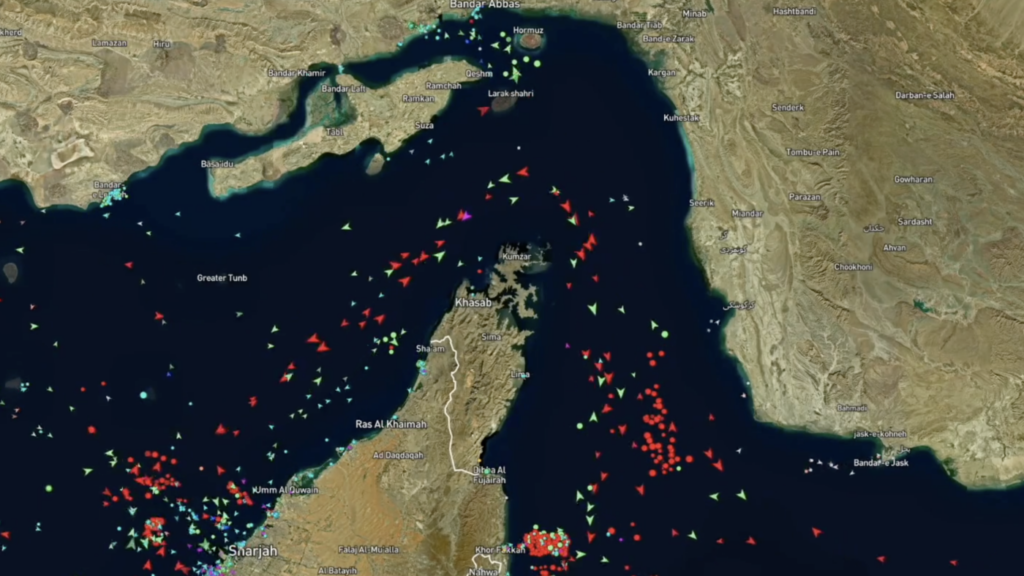
Straits of Hormuz crisis is a major issue facing the world today as thousands of sailors find themselves trapped on ships in the Middle East. Recent news shows that the United Nations is making an urgent call to help evacuate around six thousand crew members who are stranded on five hundred vessels. The traffic through this narrow water route has almost come to a complete stop due to growing military conflicts and safety dangers. In this article we will discuss what is happening to these workers and why this situation matters to people everywhere around the world.
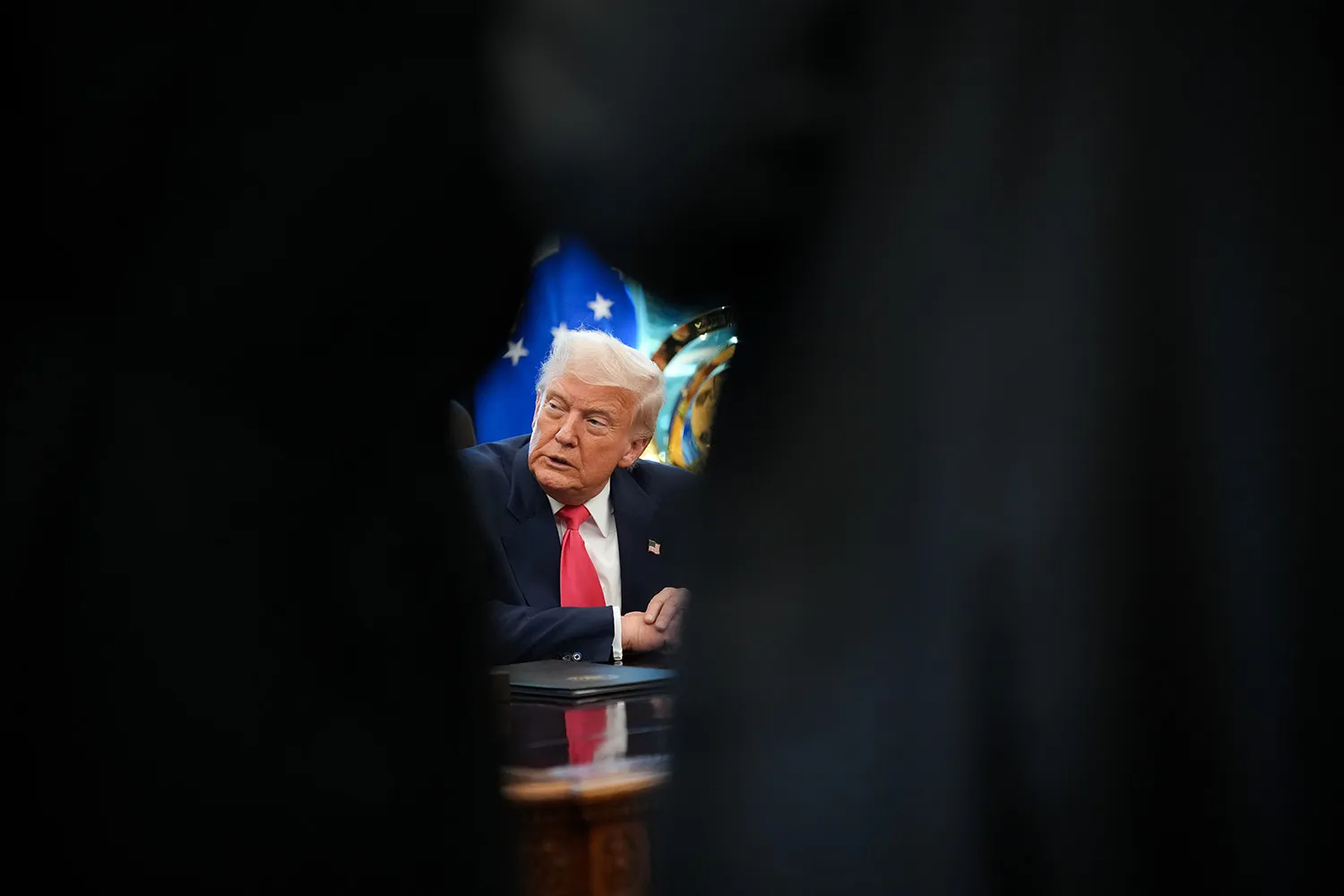
Read Also: Can Trump Enforce a Strait of Hormuz Toll?
Straits of Hormuz crisis and the dangerous conditions facing sea workers today
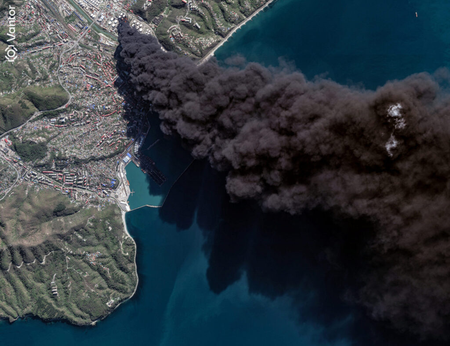
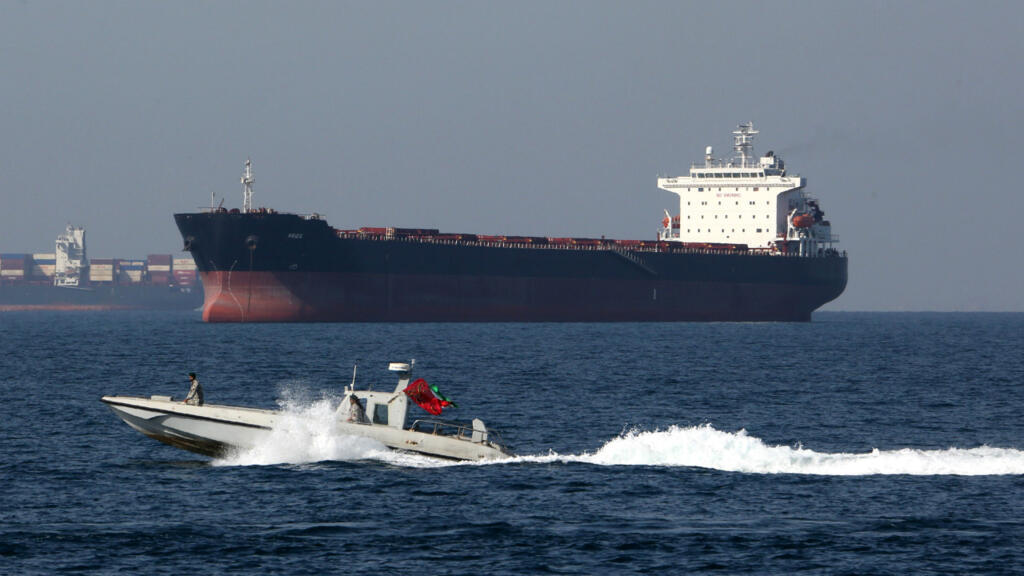
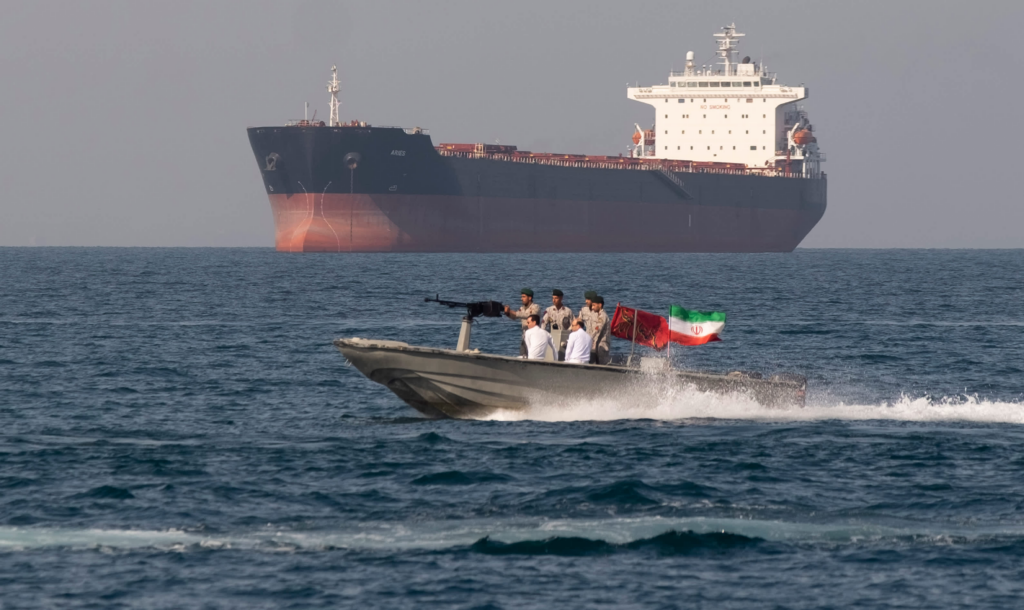
The conflict between major military forces has made traveling through this region almost impossible for civilian supply ships. Many crew members are stuck on board without a clear idea of when they can safely return home to their families. Because the water passage is closed off these workers are facing daily security threats from air strikes and armed drone attacks in the surrounding area.
Now let us look at the main facts surrounding this situation and how it impacts global trade.
Read Also: Hormuz Shipping Danger Threatens Trade and Global Stability
1. The urgent United Nations call for immediate evacuation
The main reason people are talking about the Straits of Hormuz crisis today is the clear call from international leaders to save trapped crew members. Officials from the global maritime agency stated that these stranded workers are just regular people trained to manage cargo and not soldiers trained for battle. These commercial ships do not have heavy armor or defensive weapons to protect against modern missiles. Because of these facts the primary goal for international agencies right now is finding a safe pathway to get all six thousand workers off the ships immediately.
2. How the naval blockades are stopping global trade movement
The maritime authority confirmed that almost no ships are moving through the narrow passage following new strikes that began in mid July. When shipping stops in this part of the world it affects the delivery of goods to many different countries. About ninety percent of all global goods travel by sea on these big container ships. Understanding the Straits of Hormuz crisis helps people see why prices for everyday items and fuel can suddenly go up in local stores everywhere.
3. Legal issues regarding safe passage and transit fees
During this conflict there have been debates about whether fees should be paid for safe passage through international waters. The United Nations clarified that demanding money or fees for safe travel through this area goes against international law. Even though these rules exist the ongoing combat makes it far too risky for commercial captain choices to sail through. This legal disagreement adds another layer of complexity to resolving the Straits of Hormuz crisis quickly.
4. Pressure on global shipping routes across the world
The ocean shipping industry has been pushed to its absolute limits over the last few years due to various regional wars. Before this emergency started there were already major disruptions in the Black Sea and dangerous attacks near the Red Sea passages. Captains now have to take much longer routes around entire continents to deliver basic supplies. The added stress from the Straits of Hormuz crisis makes global ocean transport harder and more expensive than it has ever been in modern history.
5. Rising energy prices and economic impacts on families
When oil tankers cannot leave the region energy prices across the world start to climb very quickly. Higher gas and oil prices mean that shipping food and manufactured goods costs more money for local businesses. Ordinary families end up paying higher bills for electricity and groceries as a direct result. Seeing how the Straits of Hormuz crisis impacts daily expenses shows that events happening far away can affect our daily lives at home.
6. What needs to happen next to keep workers safe
To solve this problem international leaders must agree on safe exit corridors for the trapped crew members. Defense teams need to step back from target zones so rescue boats can reach the anchored vessels. Until a peaceful agreement is reached these workers remain stuck in a dangerous conflict zone through no fault of their own. Spreading information about the Straits of Hormuz crisis helps keep the focus on human safety rather than just political arguments.
Straits of Hormuz crisis: Why caring about these ocean workers matters
It is easy to look at ocean shipping as just numbers and business reports but real human lives are involved here. Thousands of brave men and women are sitting on silent ships in hot waters holding goods that everyone uses daily. They deserve a safe path home just like any other worker in any other industry.
It is easy to look at ocean shipping as just numbers and business reports but real human lives are involved here. Thousands of brave men and women are sitting on silent ships in hot waters holding goods that everyone uses daily. They deserve a safe path home just like any other worker in any other industry.
Read Also: Will US Iran Treaty Collapse Over Hormuz Fees?
As the situation unfolds over the coming weeks international leaders must keep working together to free these stranded crews. The world relies on open sea travel and protecting these workers should be the top priority for everyone involved. Following updates on the Straits of Hormuz crisis reminds us how connected our world really is.