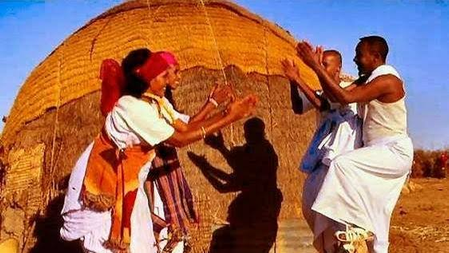

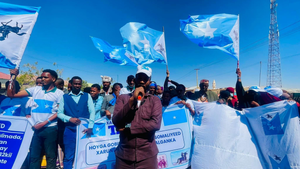

What is Somali Women Poetry is a topic that many people find interesting when learning about East African culture. Women in Somalia have used words and songs for a very long time to share their feelings and daily life. In traditional Somali society poetry is not just for men because women also make short poems to talk about work family and hard times. These Somali Women Poetry are often shared while doing daily chores like milking goats weaving mats or cooking food for the family.
Read Also: 6 Things You Didn’t Know About Kismayo Port City
Exploring Somali Women Poetry
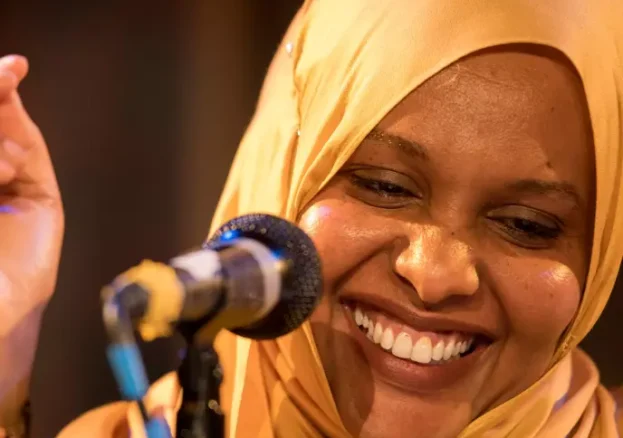
Exploring Somali Women Poetry shows how deeply connected these oral traditions are to the survival and spirit of the community. Women used a special form of short poem called buraanbur to express strong emotions about marriage motherly love and social problems. Through buraanbur women could speak up about things that mattered to them even when men held most of the formal power in political meetings. The rhythm of these verses helped women work together and keep their spirits high during tough nomadic living conditions.
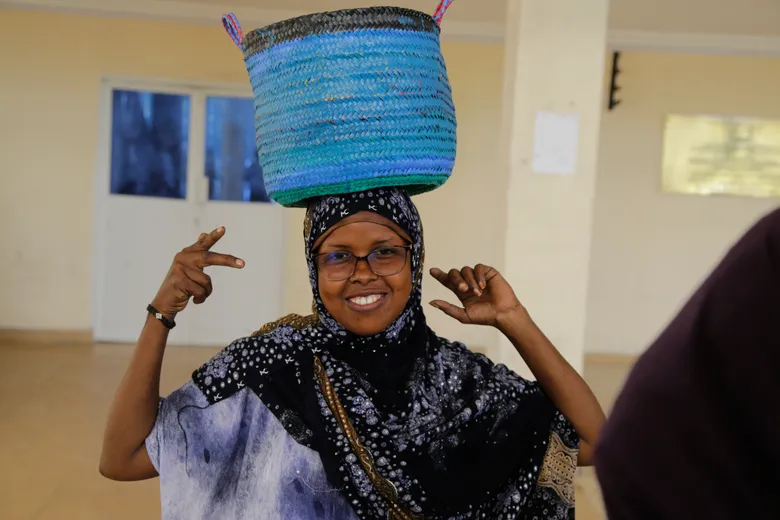
Somali culture is famous for being a nation of poets where oral communication is central to everyday life. Because most people did not write things down on paper for centuries everything was passed from mouth to mouth across generations. Women played a huge role in teaching children language history and good behavior through simple rhymes and songs. They created verses about the rain drought animals and love to pass time during long walks across dry lands.
Read Also: Somali culture guide: What makes it unique?
Somali Women Poetry: Changing Roles and Cultural Impact
During the twentieth century the role of women poets began to change as the country went through big political shifts. Women used their poetic voices to support national independence movements and urge people to unite. Their words became powerful tools to encourage fighters and bring communities together against foreign control. They proved that women could influence public opinion just as much as male leaders through clever language and catchy rhythms.
In family life women created poems to celebrate weddings birth of children and coming of age events. These celebratory songs brought light and joy to small villages and nomadic camps. At the same time women used sad poems to grieve lost loved ones or express the pain of broken relationships. By sharing these feelings out loud they found comfort and support from other women around them.
Read Also: Famous Somali food: Which 5 dishes should you try first?
In conclusion the poetic tradition of females in Somali culture remains a strong symbol of resilience and creative expression. From rural nomadic life to modern global communities women continue to use rhythmic words to share their lives. Their creative contributions ensure that their history and personal experiences will be remembered for many years to come.