

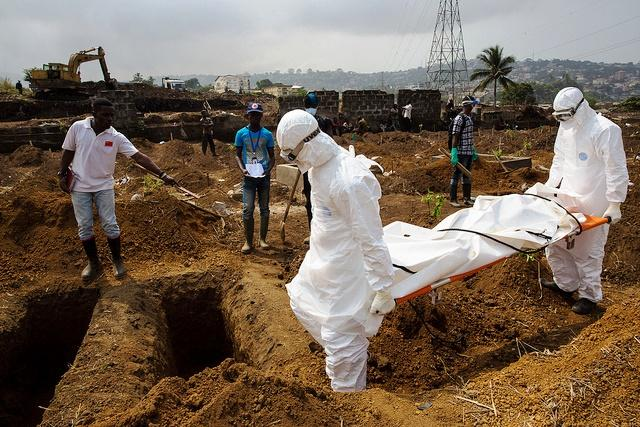
Ebola burial risk has become a terrifying reality as the deadly virus spreads rapidly across Democratic Republic of Congo right now. Officials warn that moving bodies back to home villages for funeral services is spreading sickness everywhere. The ebola burial risk is extremely dangerous because dead bodies carry super high amounts of the virus compared to living patients. Over forty new cases are popping up every single day which shows a seventy percent jump in just two short weeks. When family members touch or wash deceased loved ones during traditional funeral rites the ebola burial risk multiplies fast causing entire families to fall sick shortly after attending burials.
Read Also: 4 Critical Things You Should Never Hide Before Surgery
Understanding why ebola burial risk is so extremely high
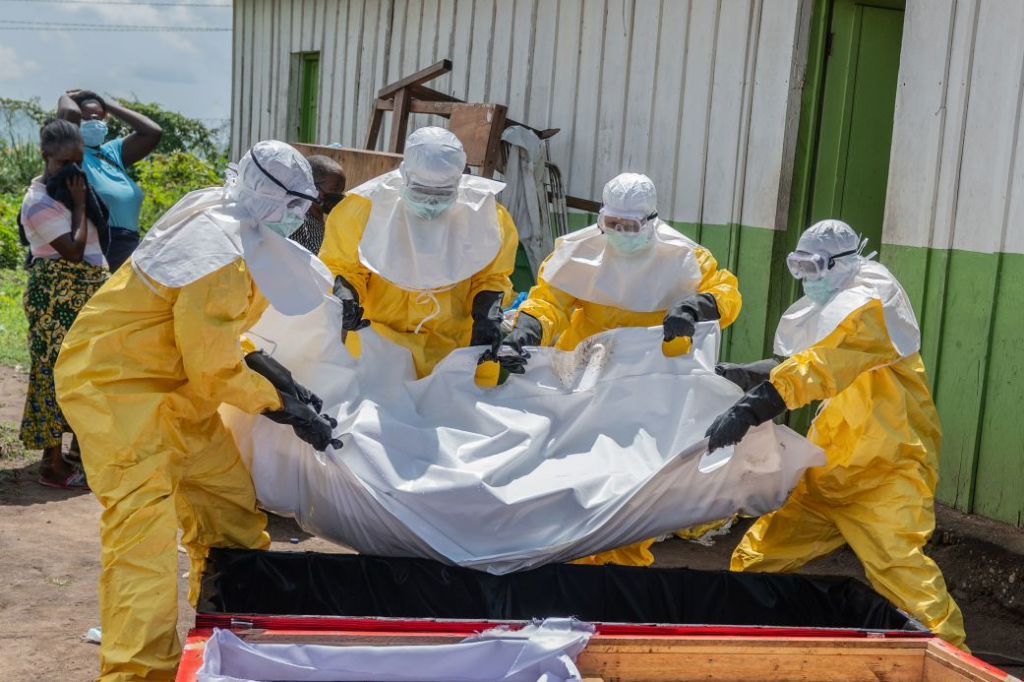
The International Organization for Migration warned everyone that moving dead bodies across regions creates a massive ebola burial risk for innocent citizens. When someone dies from this disease the virus stays alive inside the body in very high numbers making physical contact lethal. Dr Abderrahman Mahamud from World Health Organization explained that handling bodies without full protective gear turns funerals into major spreading events. Safe and dignified burial procedures must be followed strictly to reduce ebola burial risk and keep grieving families safe from catching this deadly sickness.
Fighting a deadly strain with zero vaccines available
This current outbreak in the Congo has already grown into the third largest ebola outbreak in recorded human history. What makes things far worse is that the virus belongs to the Bundibugyo strain which currently has no approved vaccine or specific cure available. Health workers are working around the clock to support patients but the lack of preventative medicine makes stopping the spread much harder. With more than two thousand confirmed cases and over eight hundred deaths recorded in two months the situation grows more urgent by the day.
How armed conflict and mass displacement hurt healthcare efforts
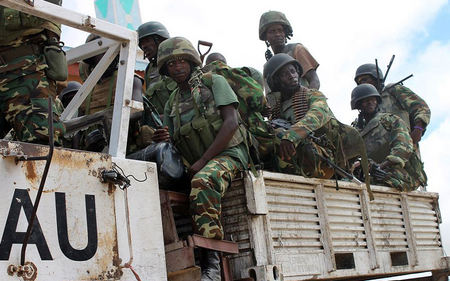
Containing this outbreak is complicated because active fighting is happening in eastern Congo near the outbreak zones. Armed violence and widespread displacement make it dangerous for medical teams to reach remote villages or set up treatment centers. Over one million displaced people are living in overcrowded camps where disease can jump from person to person within hours. When violent clashes erupt health workers cannot trace infected people or conduct safe burials properly which allows the virus to spread completely unchecked.
Read Also: How to prevent cholera in Somalia?
Protests and salary issues among front line health workers
To make matters even worse medical staff working directly in the outbreak epicenter are threatening to strike due to unpaid wages. Doctors and nurses are risking their lives daily without getting paid their basic salaries which creates frustration and panic. If health workers walk off the job there will be nobody left to treat sick patients or educate communities about disease prevention. UN agencies are urging international donors to send urgent financial assistance to pay health workers and buy protective equipment before the medical system collapses.
Read Also: Protect Kids Dehydration: 5 Hot Weather Warning Signs
Why official numbers fail to capture true reality of crisis
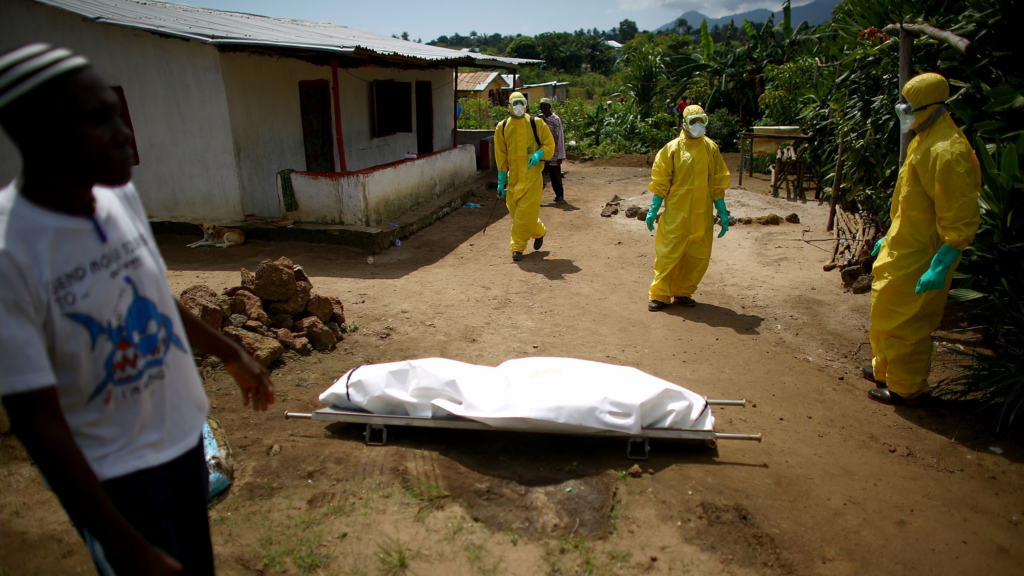
World Health Organization experts believe official numbers show only a fraction of what is actually happening on the ground. Many sick people stay hidden at home or die in remote rural areas without ever seeing a doctor or getting tested. Health officials suspect the real number of cases and deaths could easily be double the reported figures. Without strong international support and community cooperation regarding safe funeral practices containing this massive health crisis will remain an uphill battle.