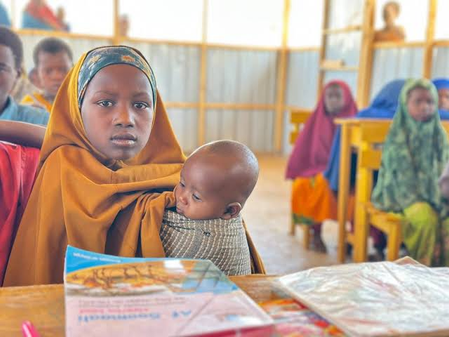


Special education growth is one of the most important issues facing communities across Somalia right now. Children and adults living with disabilities often face huge hurdles when trying to get a basic education. Years of conflict poor infrastructure and lack of funding have left many schools unable to accommodate students with physical or learning challenges. When children with special needs are left out of the classroom it hurts their future and limits their potential to contribute to society. Focusing on special education growth helps build a more inclusive country where every single child has a fair chance to learn read and succeed.
Read Also: How education affects Somalia?
Understanding the biggest challenges to special education growth
Achieving real special education growth in Somali schools requires overcoming many deeply rooted daily obstacles. Many public and private schools lack accessible ramps wheelchair paths or modified desks for students with mobility issues. There is also a severe shortage of trained teachers who know how to teach braille sign language or adaptive learning methods. Furthermore social stigma still keeps many families from sending their disabled children to school out of shame or fear of bullying. Addressing these physical and social barriers is the first big step toward creating real opportunities for disabled youth.
The role of local communities and advocacy groups
Local non profit organizations and disability advocates are working hard to promote special education growth in urban and rural areas. Community leaders are starting campaigns to educate parents about the rights of children with special needs. When parents see that disabled children can thrive in school they become much more supportive of inclusive education initiatives. Local groups are also raising funds to buy basic mobility devices learning kits and hearing aids for children who cannot afford them.
Read Also: Adult literacy importance: Why teach adults?
Training teachers for inclusive classrooms
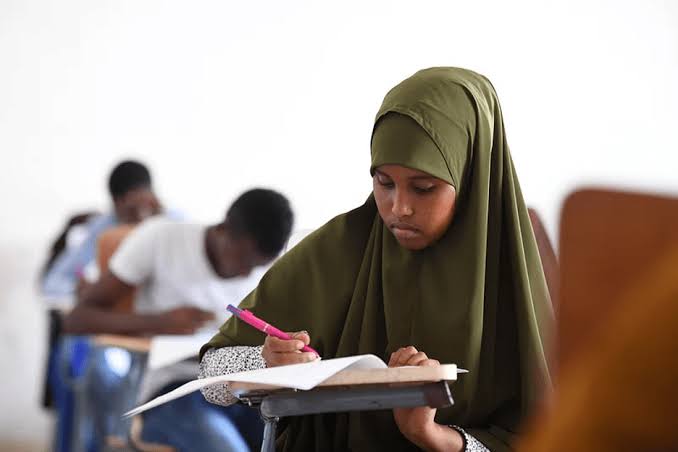
To ensure long term special education growth teacher training programs must include specialized courses on inclusive education methods. Most educators in Somalia have never received formal training on how to support students with diverse learning requirements. Establishing specialized training modules in teacher colleges will equip new educators with practical skills. Teachers who understand how to adapt lesson plans can help students with learning difficulties stay engaged alongside their peers.
Government policies and international support
Government action is vital if special education growth is going to reach every corner of the country. Ministry officials need to develop clear national policies that mandate accessible infrastructure in all new school buildings. Partnering with international aid organizations can also bring much needed funding technical expertise and educational resources. When international donors invest directly in special education infrastructure the impact can be seen across hundreds of local schools.
Using technology to assist students with special needs
Modern technology offers exciting new ways to foster special education growth even in resource limited settings. Simple mobile applications screen readers and audiobooks can help blind or visually impaired students access study materials independently. Solar powered devices can bring digital learning tools to rural classrooms that lack steady electricity. By leveraging accessible tech tools educators can bridge learning gaps much faster than traditional methods allow.
Building a brighter future through inclusive schooling
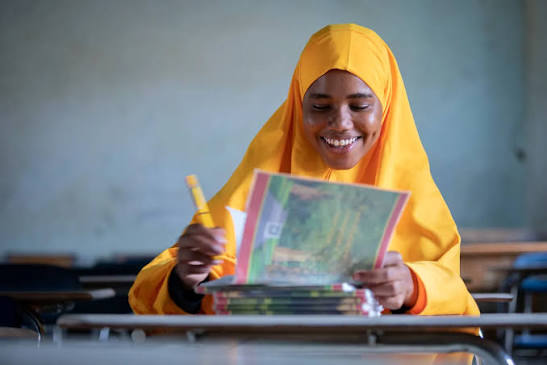
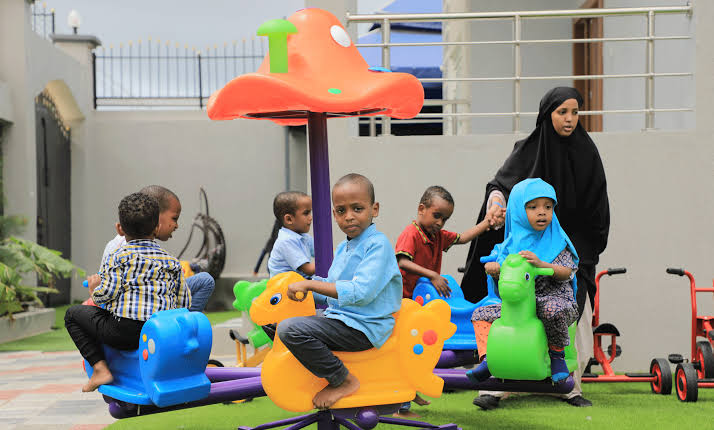
Pursuing special education growth is not just about building schools but about changing lives and building a fair society. When disabled individuals get a good education they can find meaningful jobs support their families and advocate for their own rights.
Read Also: Tech in education changes how students learn?
An inclusive school system strengthens the whole community and breaks the cycle of poverty for vulnerable families. Somalia can create a brighter and more equitable future for everyone by prioritizing the educational needs of all its children.