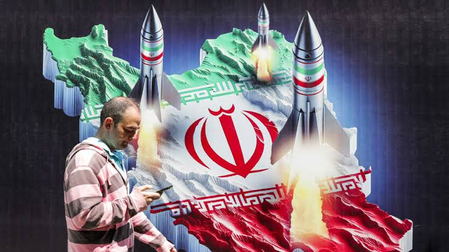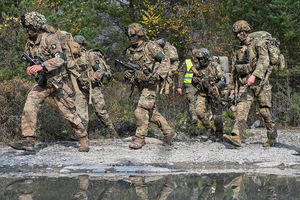

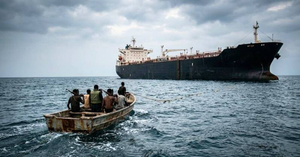

American military strength dropped as foreign policy shifts industrial delays and political debates create new doubts for allies across Europe and Asia. A detailed media report questions whether Washington can still defend international partners during multi front crises. Recent policy decisions like cutting joint military exercises and pausing massive weapon shipments to key partners show a distinct shift in priorities. At the same time crucial assets like aircraft carriers and missile defense batteries keep moving away from the Pacific to handle rising tensions in the Middle East.
Read Also: UAE Launch SEO Satellite Into Space to Advance Sustainability
Allied nations express growing worry over how long foreign support will last if regional conflicts grow bigger. European officials openly doubt if Washington would step in to protect friendly borders during a wider regional war. Retired military officers point out that foreign security promises feel much weaker now than in previous decades. This shifting reality forces partner governments to rethink their long term defense strategies and rely more on local forces.
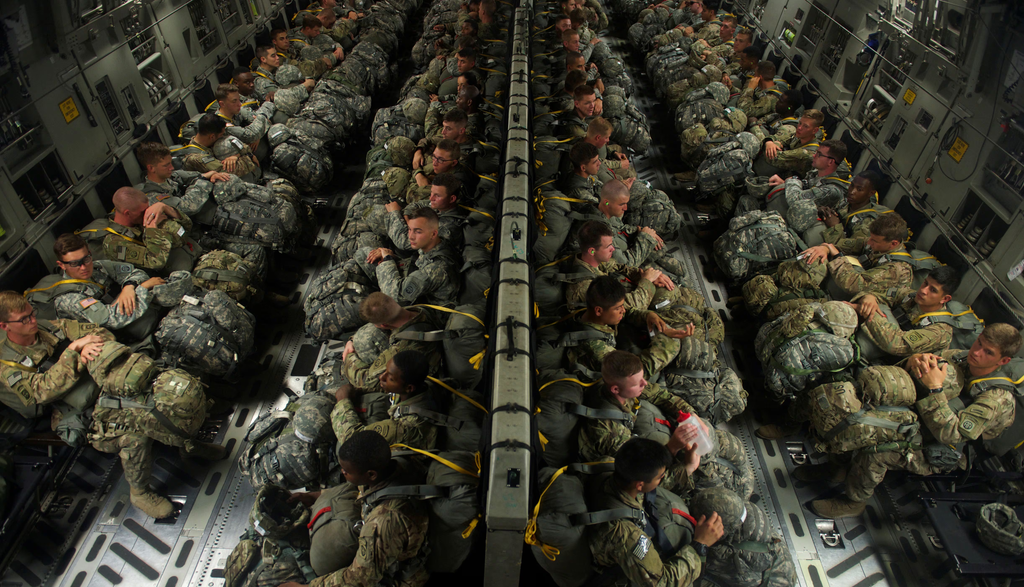
Why American military strength dropped due to shrinking ammunition stockpiles
American military strength dropped because recent regional wars have rapidly consumed huge supplies of advanced defensive missiles and long range weapons. Strategic research centers estimate that nearly half of pre war interceptor stocks like Patriot systems have been used up.
Read Also: Somali marriage customs: 4 weird traditions still alive ?
Key factors causing defense concerns include:
- American military strength dropped when production lines failed to keep up with high weapon demand
- Shifting major naval fleets from Asia to the Middle East leaves defense gaps in the Pacific
- Paused arms sales create political uncertainty for partners facing strong neighboring forces
Industrial bottlenecks make it extremely difficult to rebuild depleted weapons stocks quickly. Munition factories require years to scale up assembly lines for complex missiles and radar systems. When supplies run low military leaders must make tough decisions about which global region receives priority equipment. This shortage limits strategic options during multi front security challenges.
American military strength dropped as diplomatic strategies focus on avoiding direct involvement in distant battles. Decision makers urge defense contractors to boost domestic weapon production as fast as possible. However raw material shortages and manufacturing delays slow down progress across major factories. International partners notice these production limits and worry about future security guarantees.
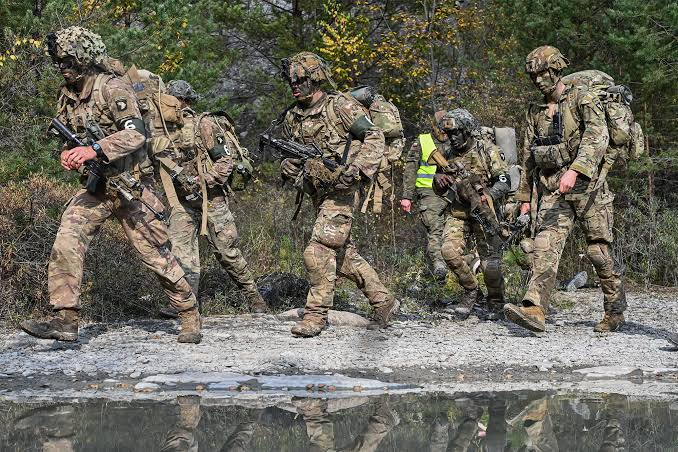
Doubts about nuclear protection umbrellas also grow among long time treaty partners. Foreign politicians argue that modern presidential administrations will prioritize domestic defense over protecting distant territories. As foreign trust weakens regional alliances begin exploring independent security options and building up local arms industries.
Asian partners watch current deployments closely as key defense systems move out of the Pacific theater. Pausing big military drills sends mixed signals to regional rivals who continue expanding their own forces. Local leaders must balance economic ties with defense needs while foreign military support feels less certain.
Read Also: What makes smart glasses for blind adults so useful
Global security dynamics will keep changing as industrial production struggles to match modern warfare demands. American military strength dropped to a point where maintaining broad commitments worldwide requires massive economic and factory investments. Until domestic production catches up with real usage rates international allies will keep questioning the long term strength of foreign defense guarantees.