



Generalized anxiety disorder affects more than three hundred million people around the world according to global health reports. Women tend to experience this condition much more often than men. The symptoms usually start getting stronger between the ages of twenty five and forty five but even children and teenagers can show clear signs. When someone suffers from generalized anxiety disorder they struggle to control their fears about ordinary things like work or school performance or family health. The constant nervous feelings are far bigger than the actual situation requires.
Read Also: Trump Map Controversy: Why Is It Causing Diplomatic Tension?
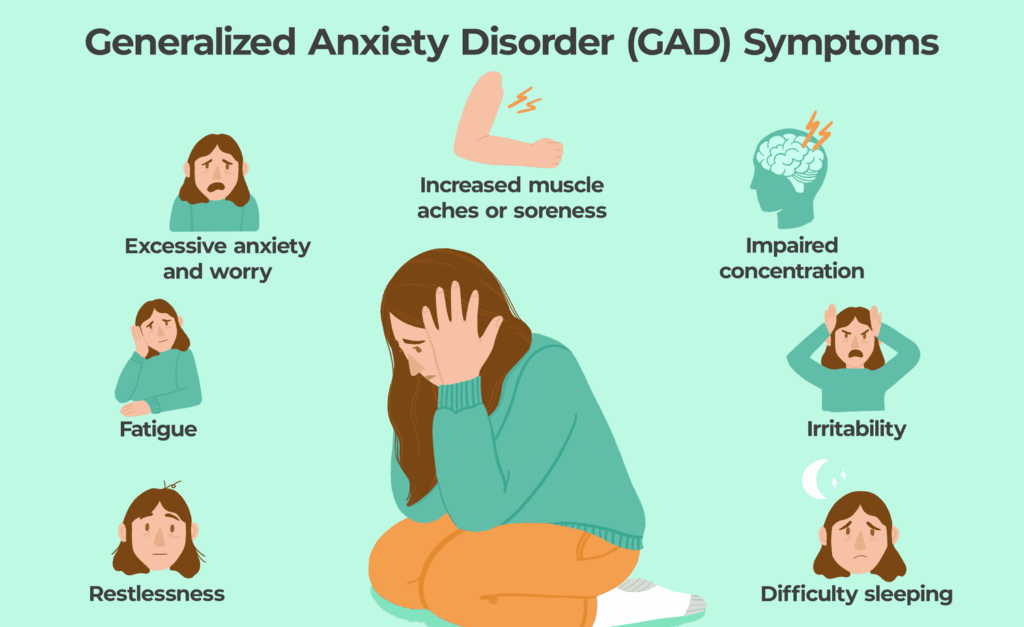
| Symptom Category | Common Signs | Daily Impact |
|---|---|---|
| Physical Signs | Muscle pain sweating and rapid heartbeat | Makes physical rest nearly impossible |
| Mental Signs | Constant fear of disaster and racing thoughts | Prevents focus on simple daily tasks |
| Sleep Issues | Trouble falling asleep or waking up early | Causes chronic fatigue and mood drops |
It is normal to wonder how generalized anxiety disorder differs from the regular stress that everyone feels. Normal daily worries usually stay tied to a clear event like a big test at school or a hard day at the office. Once the event passes the worry usually goes away and people can relax again. However generalized anxiety disorder does not go away so easily because the fear remains constant and comes with physical pain like tight neck muscles stomach issues and deep fatigue.
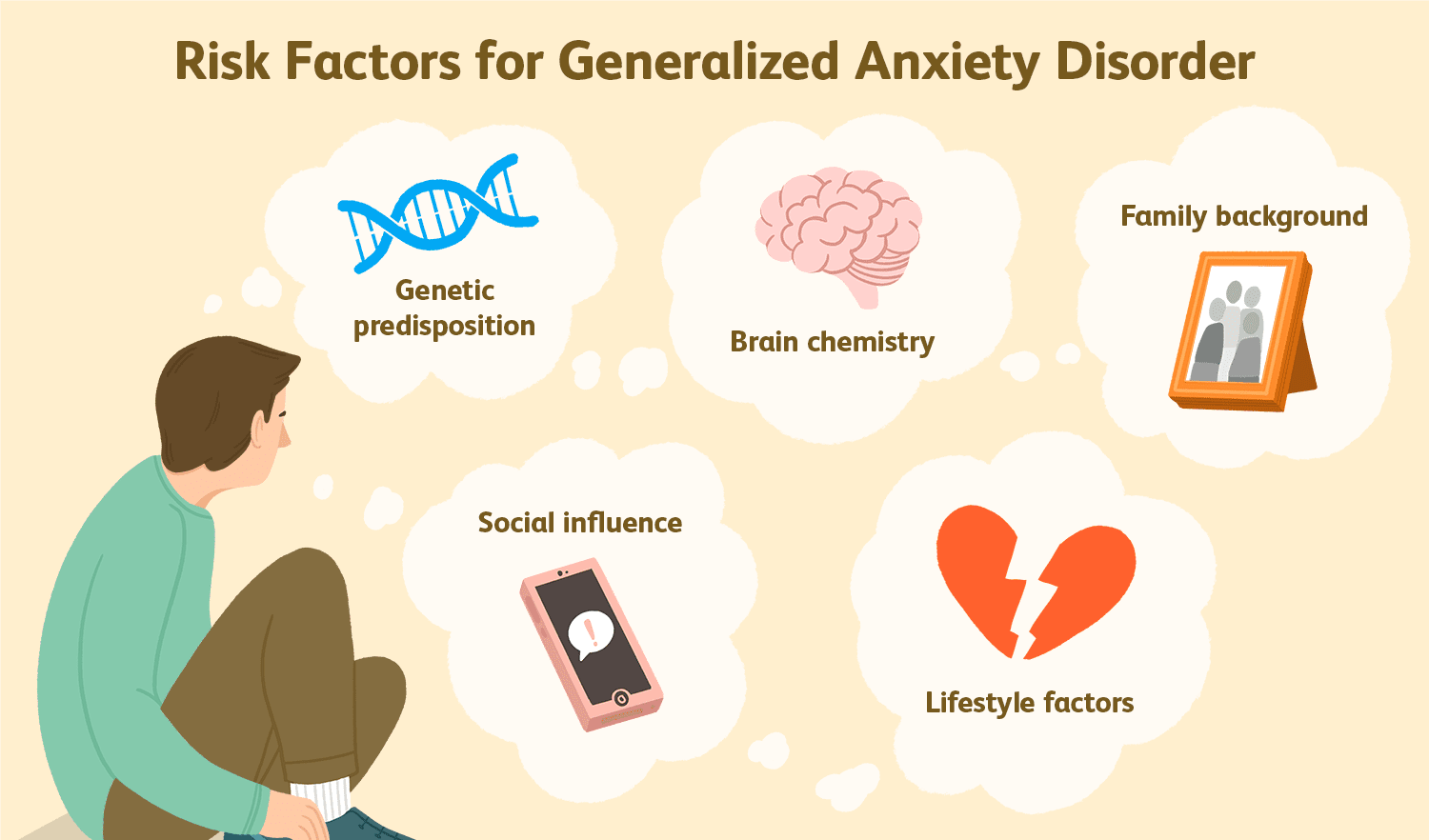
The causes behind anxiety disorder often involve a mix of family history and personal experiences. Genetics play a big role because a history of nervous conditions in the family increases individual risk. Living through hard experiences during childhood or growing up with overprotective parents can also contribute. People who have sensitive personalities or who naturally avoid risks are generally more vulnerable to developing generalized anxiety disorder over time.
Read Also:
How Doctors Diagnose Generalized Anxiety Disorder
Doctors have to be careful when looking for anxiety disorder because other medical problems can look very similar. For example thyroid issues or certain medications can make a person feel extremely nervous. Other mental health conditions like social anxiety focus only on specific moments like public speaking. In contrast anxiety disorder spreads across almost every area of life without a single specific trigger. Getting a proper diagnosis from a qualified mental health expert is the absolute best way to start recovering and feeling better.

Read Also: UAE Colombia Partnership: 50 Years of Shared Progress
With proper medical care and behavioral therapy people dealing with generalized anxiety disorder can regain control over their lives. Learning to manage the physical symptoms and changing negative thought patterns allows individuals to find peace again. Admitting that you need support is not a sign of weakness but the first real step toward recovering your health.