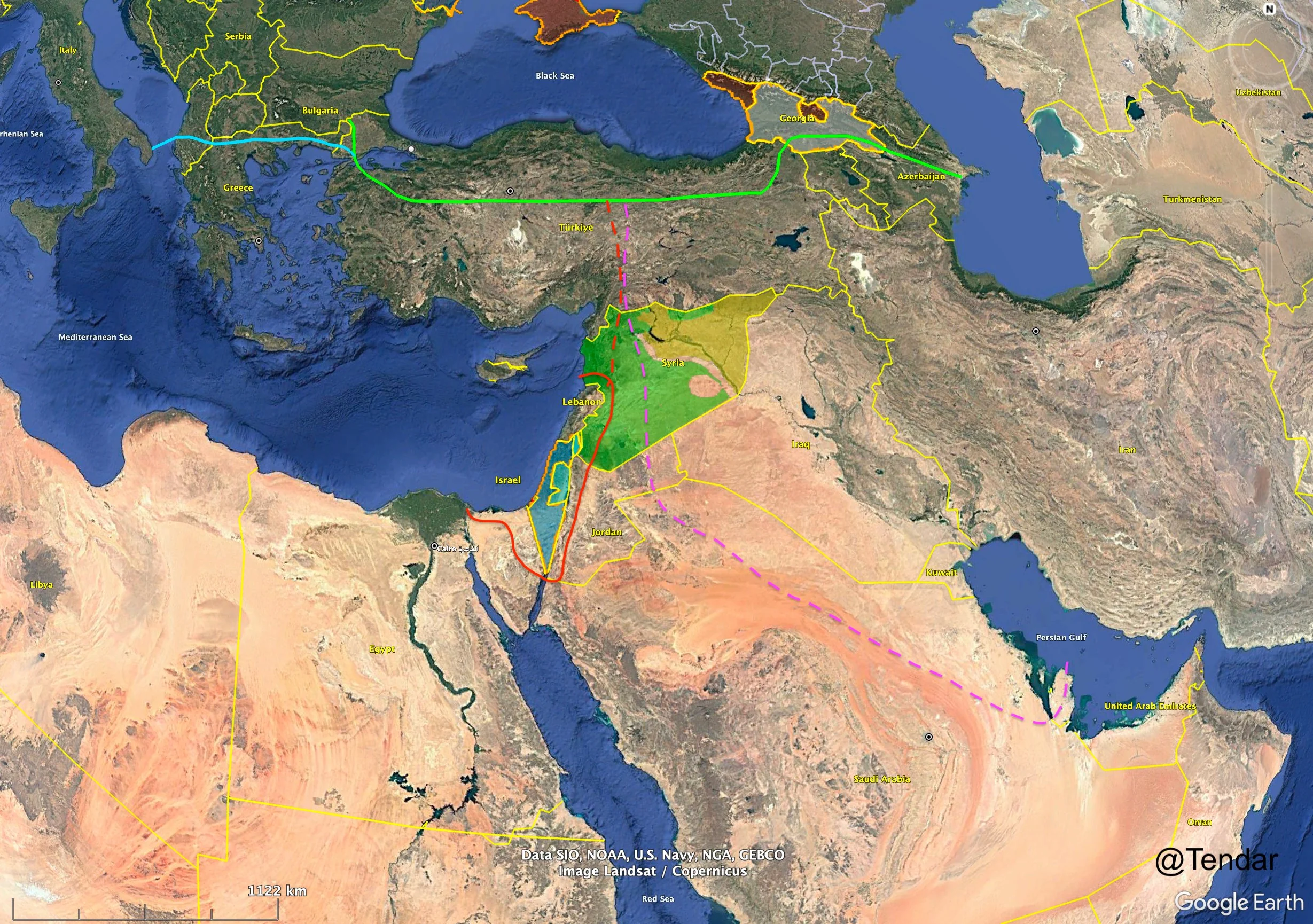


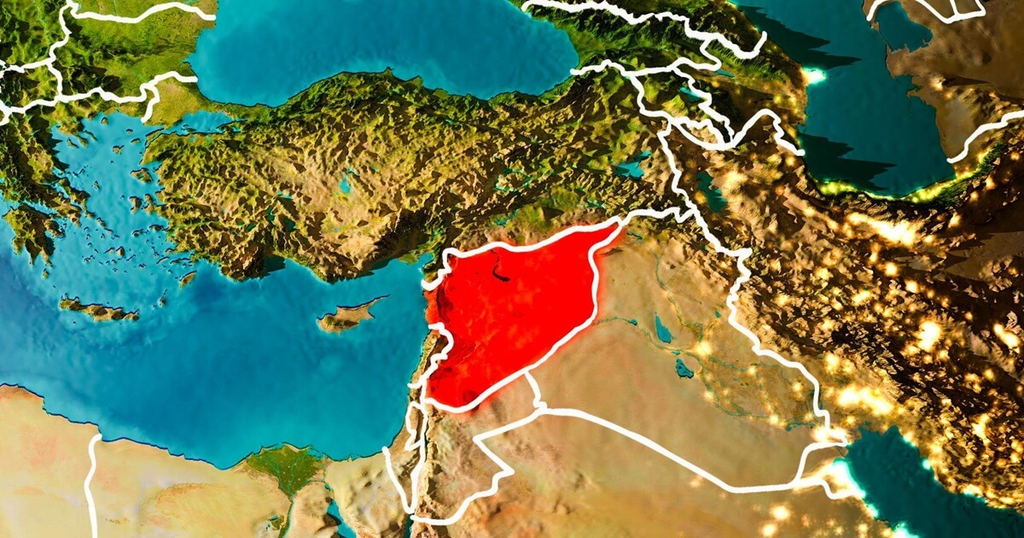
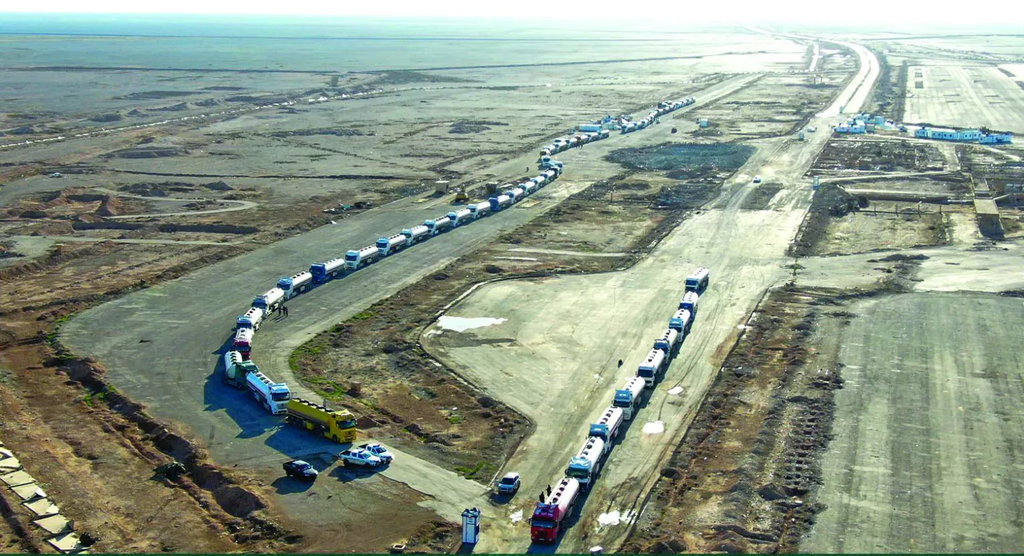
Syria energy transit becomes a very critical topic right now after major security issues shut down maritime travel through the Strait of Hormuz and Bab al Mandab. Recent geopolitical troubles have forced nearby nations to look for safer land routes to export crude oil to global markets. Iraq is currently shipping around fifty thousand barrels of crude oil every single day using trucks through Syrian territory heading to Mediterranean ports. Local experts believe that promoting the Syria energy transit path will help transform the country into a major hub that connects Gulf states Iraq and Turkey directly to European buyers.
Read Also: What Syrian economic recovery looks like after US sanctions decision
Why Syria energy transit offers a strong alternative for regional exporters
The ongoing security crisis in maritime choke points proves that traditional sea lanes can become unsafe overnight for tankers. Taking advantage of the energy transit corridor gives landlocked oil producers a direct connection to Mediterranean deep water ports like Baniyas and Tartus.
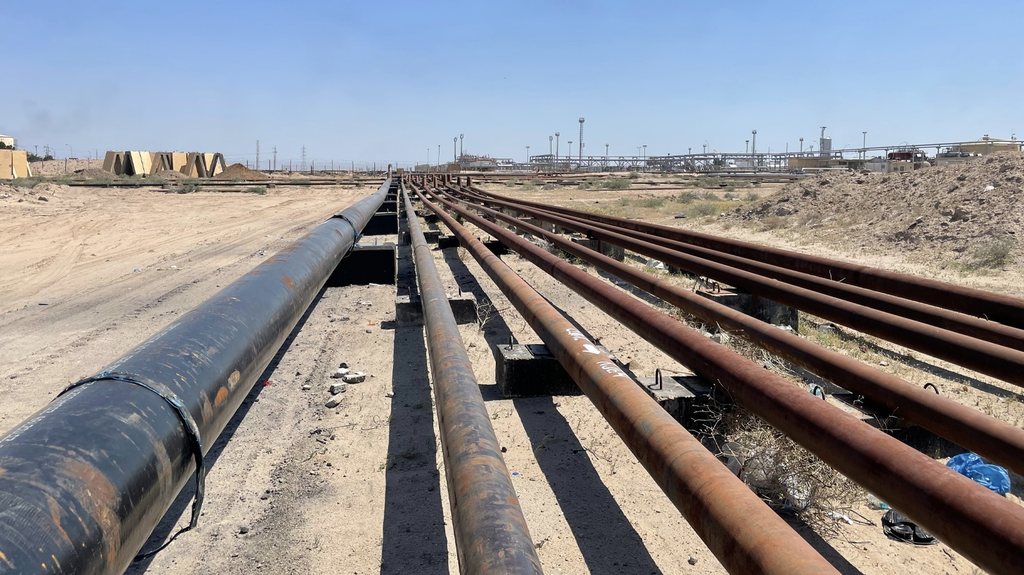
Representatives from regional oil companies recently met in Washington to sign agreements aimed at repairing and restarting the historic Kirkuk to Baniyas pipeline. When fully operational the energy transit pipeline could handle up to two million barrels of crude oil per day relieving massive pressure off traditional shipping channels.
Here are 6 key points about the current energy situation in the region:
- Land transport using trucks currently moves fifty thousand barrels of Iraqi crude daily
- International consortiums have signed deals to restore old pipelines across the region
- Marine ports like Baniyas offer the shortest access route to Mediterranean waters
- Gulf nations are looking into long term land transit options to lower shipping costs
- Damaged infrastructure and high repair costs present major hurdles for local projects
- Security risks along desert borders still threaten long distance energy pipelines
Key challenges facing pipeline development
Building up a reliable network requires fixing broken pipes and securing vast stretches of desert land from potential attacks. Without strong infrastructure the Syria energy transit network will remain reliant on smaller truck fleets that move less volume than sea vessels.
Read Also: Syrian Court Ruling: Will It Bring Justice and Accountability?
Repairing international pipelines requires billions of dollars in foreign investments along with long term political stability among neighboring governments. Despite these huge challenges interest in the Syria energy transit model remains high because avoiding dangerous maritime choke points saves shipping firms money on high insurance rates.
Gulf investment and future economic prospects
Several neighboring nations view regional connectivity as a safe long term bet for their economic growth strategies. Beyond simple oil transport investors see the Syria energy transit ecosystem as a chance to rebuild old railway systems and digital infrastructure across borders. Joining trade networks through the Syria energy transit geography creates a win win scenario for both energy producers and Mediterranean transport hubs.
Long term outlook for energy security
As international companies complete preliminary technical studies the strategic value of land trade corridors will only grow stronger.
Read Also: Removing Zeros from the Syrian Pound: New Step for 2026 with Positive and Negative Impacts
Securing stable agreements for Syria energy transit projects ensures that regional markets remain resilient even during severe maritime crises. Over time these land pipelines could handle a significant portion of daily global oil movements.