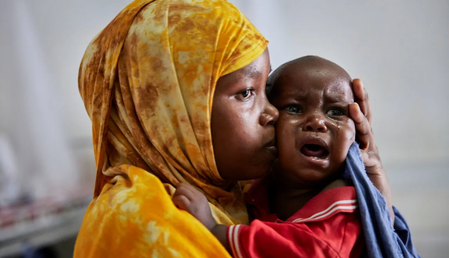



Hygiene awareness in Somalia helps families stay healthy and avoid getting sick from dirty water or bad food. Many people living in small towns or camps do not have easy access to clean running water or soap every day. Children play outside in dusty areas and often forget to wash their hands before eating their meals.
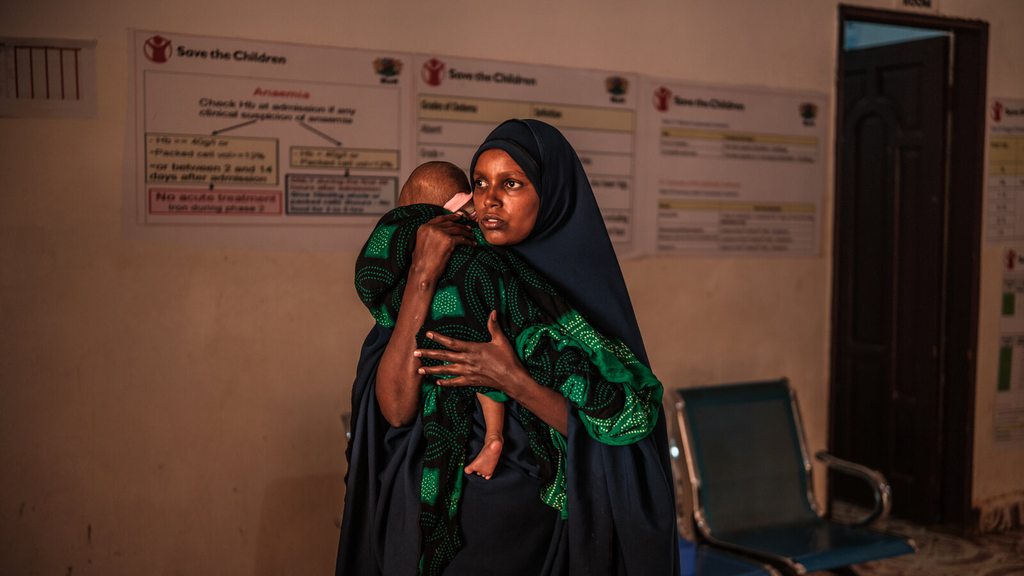
Read Also: Why is severe child malnutrition ruining lives in Somalia
How hygiene awareness in Somalia protects local communities
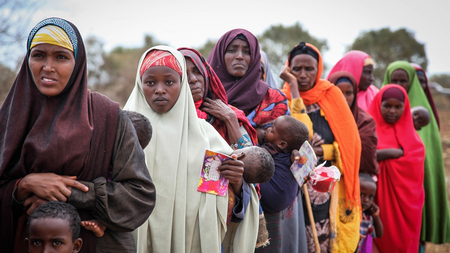
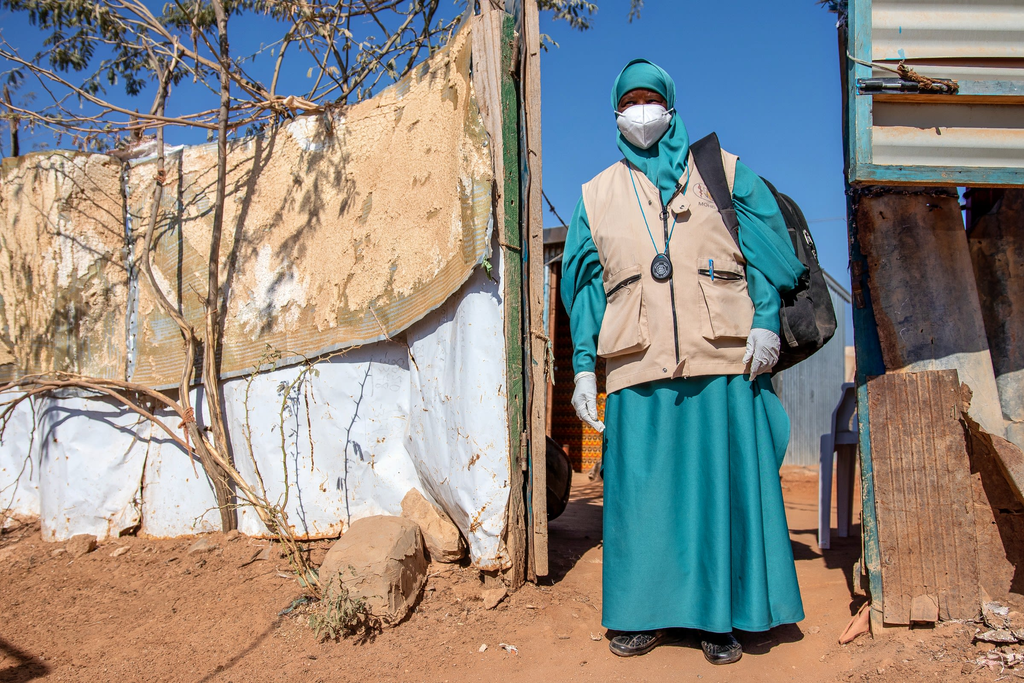
Building strong hygiene awareness in Somalia is essential for stopping sickness in crowded places like refugee camps and busy markets. Volunteers and local workers walk from house to house to talk with mothers about boiling drinking water and keeping cooking tools clean.
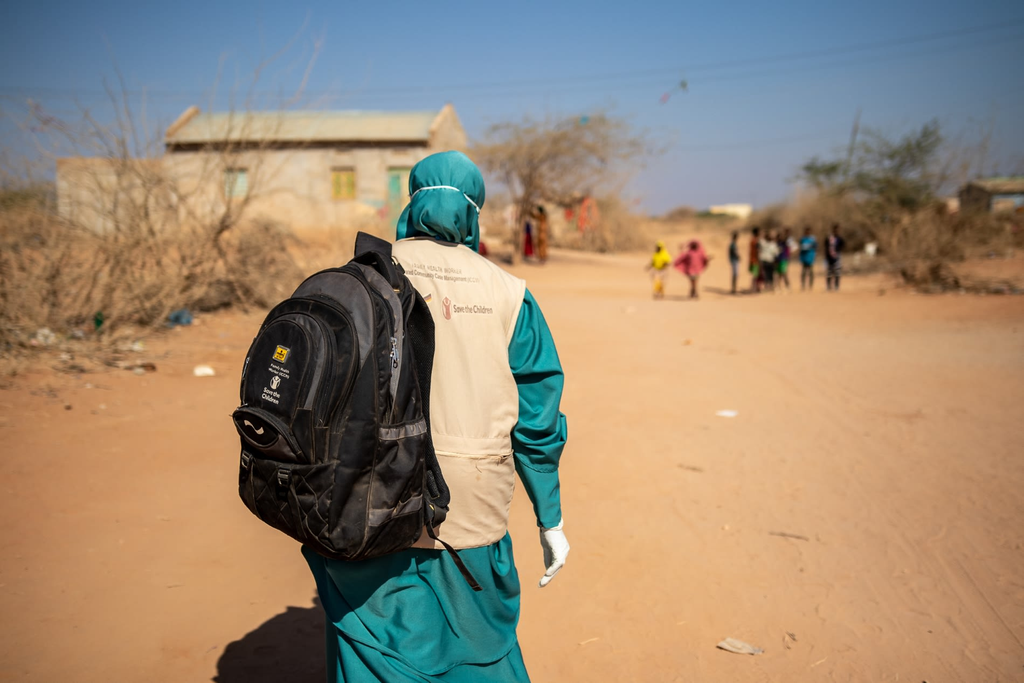
They also show people how to build simple handwashing stations using plastic buckets and small pieces of soap. When people see how easy it is to practice good habits they start doing it every day without extra cost. This community effort lowers the number of sick children visiting local clinics every month.
Stopping diseases through hygiene awareness in Somalia
Without proper hygiene awareness in Somalia many preventable illnesses continue to affect young kids and elderly adults. Dirty hands can carry dangerous bacteria that cause stomach pain and fever very quickly. When families learn how to cover stored water properly insects cannot breed inside the containers. Clean water tanks mean fewer people get sick from contaminated drinking supplies during dry seasons. Local leaders play a big role by speaking at community gatherings about keeping neighborhood streets free from garbage. When everyone works together to clean public spaces the whole village becomes much safer for young children to play.
Read Also: Somalia infectious diseases: What’s spreading most today?
Helping schools with hygiene awareness in Somalia
Spreading hygiene awareness in Somalia inside classrooms ensures that young students grow up with good habits. Schools that receive soap and clean water from helper groups see fewer students missing class due to stomach issues.
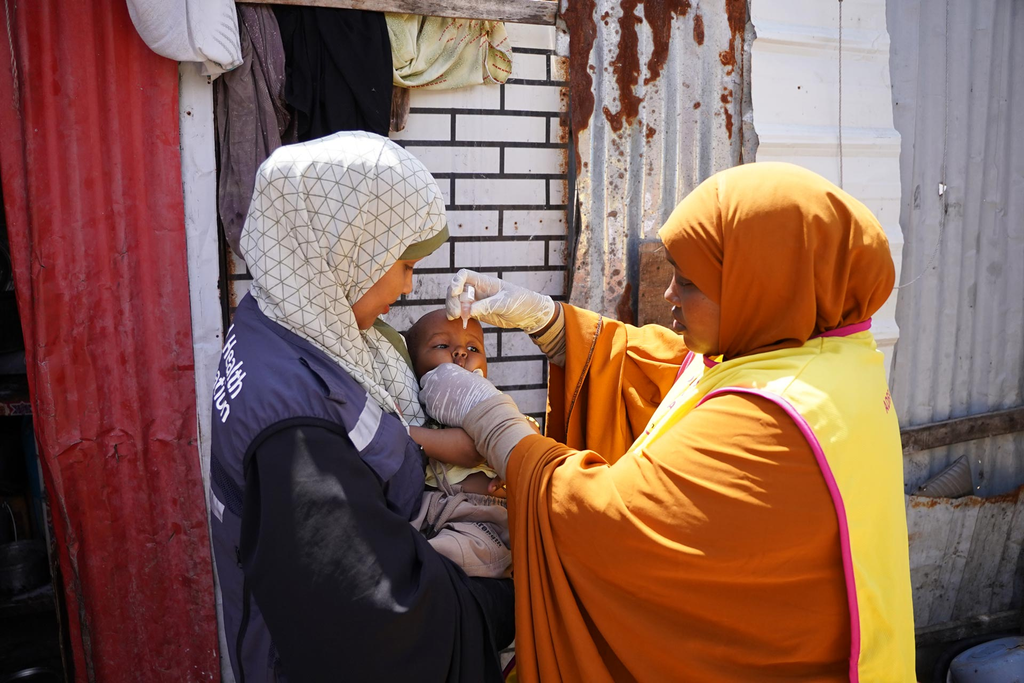
Teachers give short lessons every morning about brushing teeth washing faces and keeping school toilets clean. When children learn these lessons at school they go home and show their parents how to wash hands properly before cooking dinner. This creates a positive cycle that improves health across the whole town.
Overcoming rural challenges with hygiene awareness in Somalia
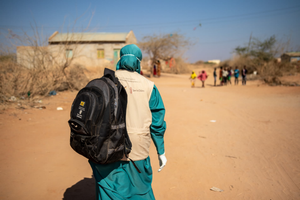
Expanding hygiene awareness in Somalia to remote villages takes a lot of time and effort from dedicated health workers. Rough roads and long distances make it hard to deliver supplies like soap clean buckets and informational flyers to far places.
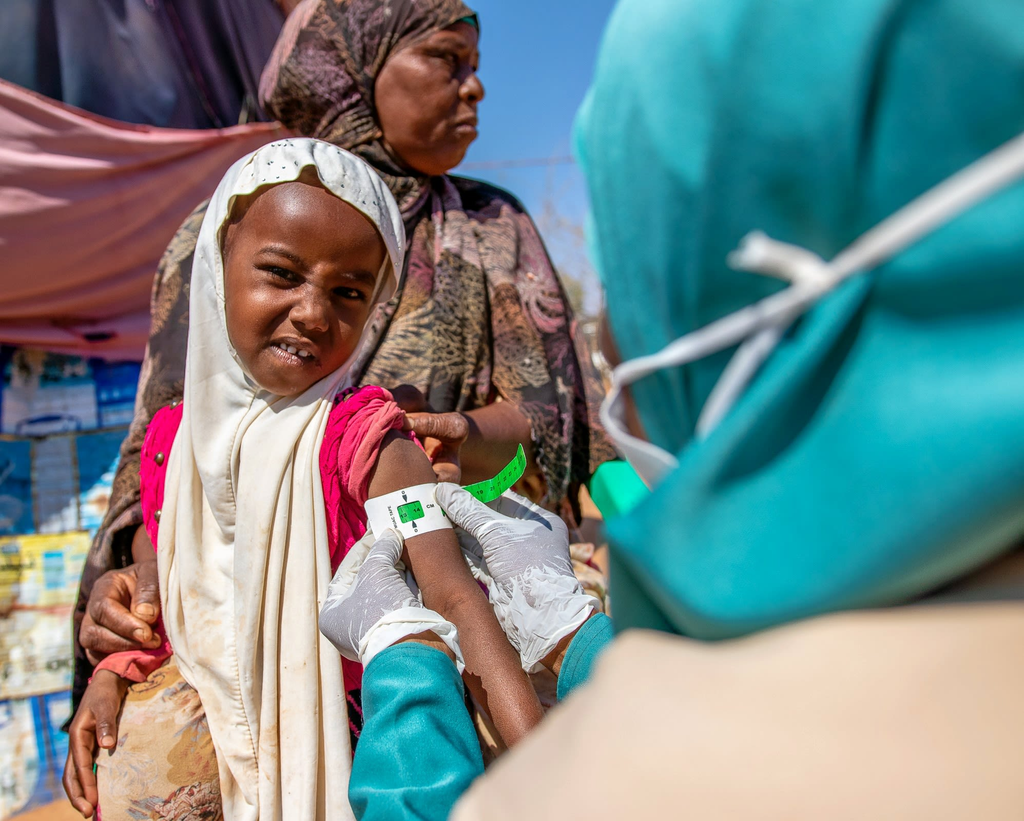
Read Also: Why is severe child malnutrition ruining lives in Somalia
However mobile teams continue to visit these communities to hold public talks and distribute basic sanitation kits. Local radios also broadcast daily advice on keeping food covered and drinking safe water.