


Digital Learning Solutions are becoming a major topic of conversation when people talk about how to fix the broken school system in Somalia. For decades, the country has faced huge problems like war, poverty, and a lack of buildings for kids to go to school in. This has left millions of children without any way to learn. Because of this, many people believe that using phones, computers, and the internet might be the only way to reach those who are left behind. While it sounds like a dream, the reality of making it work on the ground is much more complicated than just handing out tablets.
Read Also: Is traditional Somali education better than modern schools?
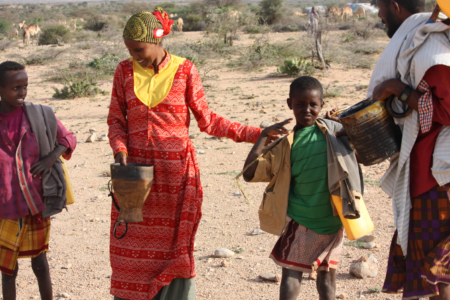
One of the biggest reasons why people are excited is because of how flexible these tools are. In Somalia, many people live as nomads, moving from place to place with their animals. A traditional school building doesn’t work for a child who moves every few weeks. However, if that child has access to Digital Learning Solutions, they can take their lessons with them in their pocket. This kind of technology could bridge the gap between the city and the rural areas, giving every child the same chance to learn the alphabet or math, regardless of where they are sleeping that night.
The Challenges Facing Digital Learning Solutions
However, we have to be honest about the many hurdles that stand in the way. You cannot have Digital Learning Solutions if you do not have electricity. In many parts of Somalia, power is either non-existent or it is so expensive that a regular family could never afford to charge a laptop every day. On top of that, the internet is not available everywhere. Even in places where there is a signal, the cost of data is very high. If a family has to choose between buying food or buying internet data for a school lesson, they will choose food every single time.

Read Also: Can Somalia Education Gap Be Closed?
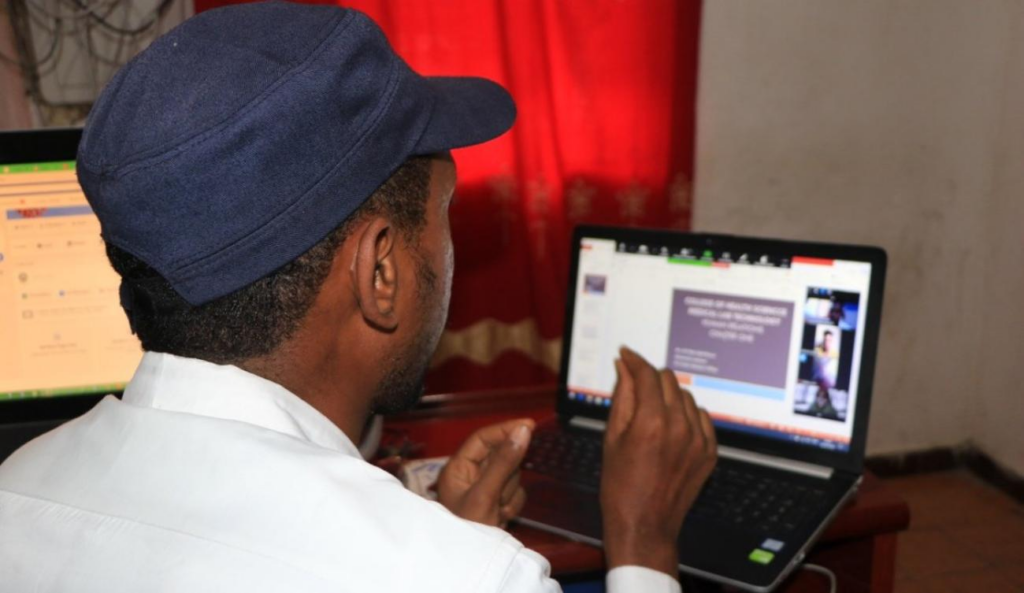
Another issue is the teachers. Many teachers in Somalia have not been trained on how to use modern tech. It is not enough to just give a student a screen; you need a teacher who can guide them through the material. Without proper training, Digital Learning Solutions are just expensive toys that don’t actually help anyone learn. We need a big investment in training the adults just as much as we need to buy the hardware for the kids. If the teachers are confused, the students will be even more lost.
There is also the problem of language and culture. A lot of the best educational content online is in English or Arabic. While these are useful languages, younger children learn best in their mother tongue, Somali. For Digital Learning Solutions to really take root, there needs to be a push to create high-quality content that speaks the local language and reflects the local culture. If the examples in a math book are about things a Somali child has never seen, it makes learning much harder than it needs to be.
Despite these huge walls, some small projects are starting to show promise. Some NGOs are using radio-based lessons, which is an older form of tech but still counts as a way to reach people far away. Others are trying to use solar-powered tablets that come pre-loaded with lessons so they don’t need a constant internet connection. These types of Digital Learning Solutions are more realistic for the current situation in the country. They show that we don’t need the most expensive 5G internet to make a difference; we just need smart ideas that fit the local environment.
In the end, technology is not a magic wand that will fix everything overnight. It is just a tool. To make Digital Learning Solutions work, the government and international partners need to focus on building the basic things first, like solar power grids and cheaper internet. We also can’t forget that a screen can never fully replace a good teacher in a classroom. The best way forward is likely a mix of both worlds—using the internet to reach those who are far away, while still working hard to build real schools in every village.
Read Also: Somali Free Education Could Change Everything
Somalia has a very young population that is hungry to learn. If we can find a way to lower the costs and provide the right support, Digital Learning Solutions could definitely be the key to a better future. It will take a lot of time and a lot of money, but the cost of doing nothing and leaving another generation without an education is much higher. We have to start somewhere, even if it is just one solar tablet at a time. The potential for Digital Learning Solutions to change lives is real, but only if we focus on the people, not just the machines.