


Somalia education gap is a huge problem that makes life very different for people depending on if they live in Mogadishu or a small village. In the big cities you can find schools with desks and maybe even some computers but in the countryside things are much harder.
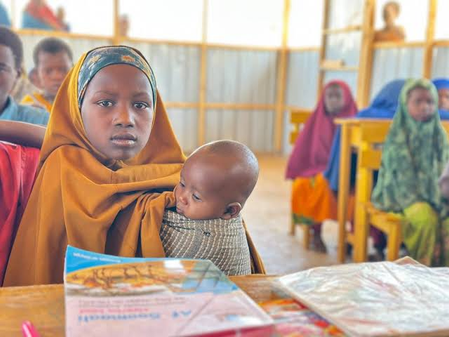
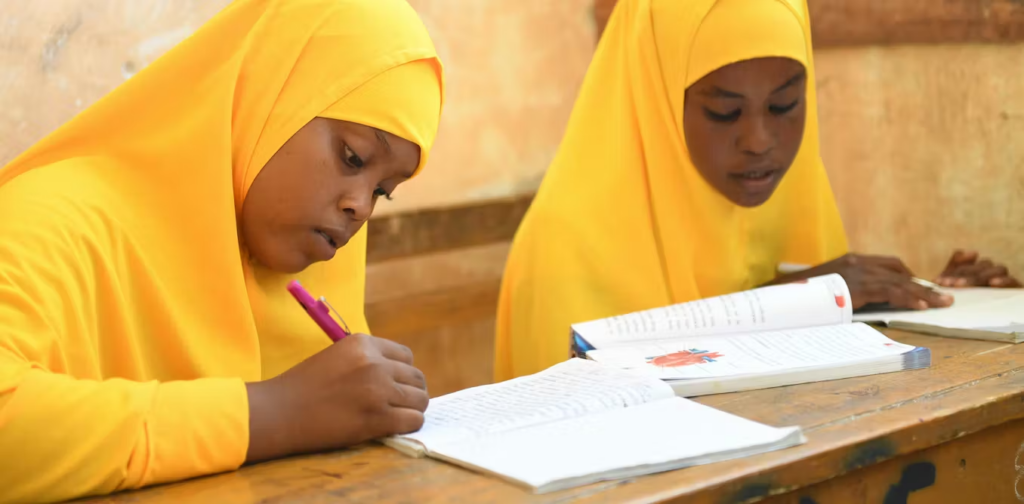
When we look at the Somalia education gap we see that many children in rural areas have never even stepped inside a classroom because there are no buildings nearby. This means a whole generation of kids in the farms and nomadic areas are growing up without learning how to read or write properly. It is a sad reality that where you are born in this country decides if you get an education or not.
Read Also: Improving Somali Education: How Can the Future Be Rebuilt?
Why the Somalia education gap stays so wide
One of the main reasons for this trouble is that most of the money and the help from international groups stays in the urban centers. The government and the charities find it easier to build schools where there are roads and electricity. This makes the Somalia education gap grow every year because the rural areas are left with nothing. Teachers also don’t want to move to the far villages because there is no good housing and the pay is very low. Most smart teachers prefer to stay in the city where they can have a better life and this leaves the country kids with no one to teach them.
Read Also: Somali local school investment stop youth leaving?
In the rural parts of the country many families are nomads which means they move around with their animals to find water and grass. The current school system is not made for people who move and this adds to the Somalia education gap. If a school is built in one spot but the families move away after two months the kids lose their chance to learn. We need a way to bring the school to the people instead of making them stay in one place. Without mobile schools or special programs the Somalia education gap will never really go away for the nomadic communities.
The struggle for basic learning tools
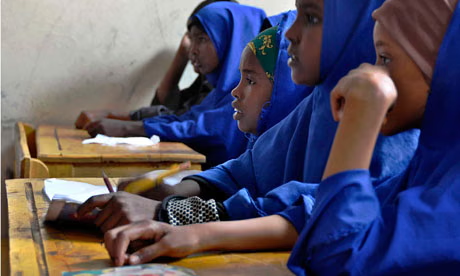
Another big issue is the safety and the lack of basic things like clean water in rural schools. In many villages a school is just a tree that students sit under and if it rains the school is over for the day. This lack of infrastructure is a big part of the Somalia education gap because you can’t learn well when you are hungry or thirsty or sitting in the dirt. Most of the new books and materials go to the private schools in the cities while the rural students have to share one old book between ten people. This makes the city kids much more likely to pass exams and get good jobs later in life.
Technology could be a way to help but most of the countryside has no internet and very little phone signal. While kids in the city can look things up on Google the kids in the village are totally cut off from the world. This digital divide is making the Somalia education gap even worse than it was twenty years ago. If we want to fix this the government needs to invest in solar power and satellite internet for the remote areas. It is the only way to give a child in a far village the same information as a child in the capital.
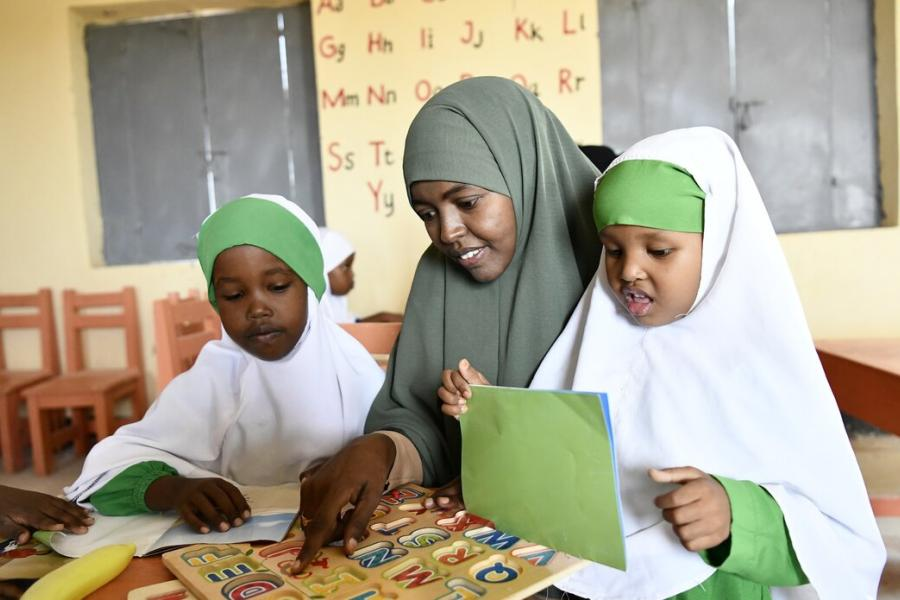
The cost of school is also a factor that keeps the Somalia education gap alive. Even if there is a school many poor families in the country cannot afford the small fees or the cost of a uniform. They would rather have their children stay home to look after the goats or help with the crops. In the city parents might have office jobs and can pay for school but in the rural areas life is about survival first. We need to make rural education totally free and maybe even give food to the students so that parents are happy to send them to class.
Fixing the Somalia education gap is not going to be easy or fast but it is something that must happen for the country to be strong. We cannot have a nation where only the people in the cities are educated while the rest of the people are left behind. If we keep ignoring the rural areas we are wasting the talent of millions of young Somalis. Closing the Somalia education gap means building more than just walls it means giving every child a dream for the future. We need to send more resources to the villages and make sure that being a rural teacher is a job that people are proud of.
Read Also: Facts about Somali literacy rates
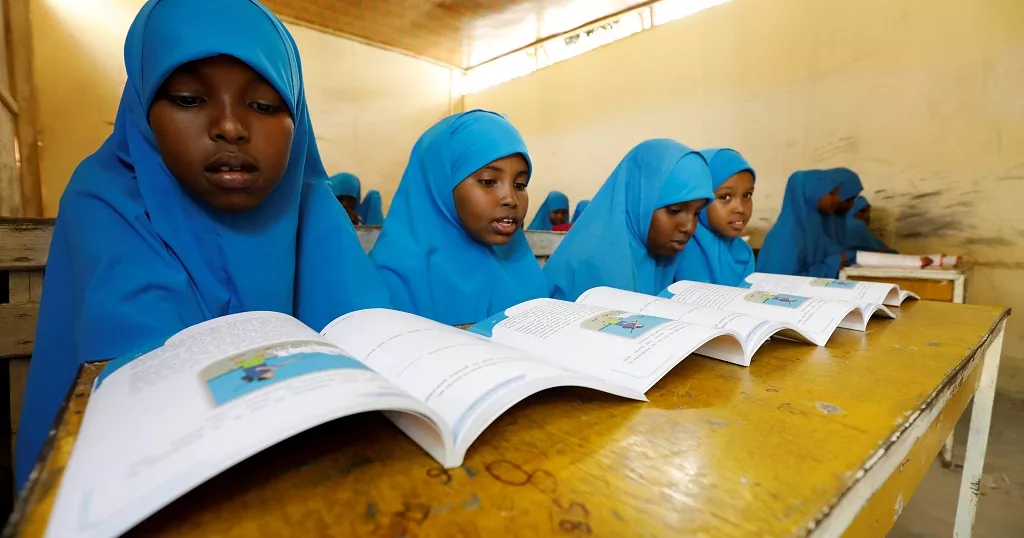
In the end the Somalia education gap is a challenge that requires everyone to help out. The leaders need to stop focusing only on the big towns and start looking at the map of the whole country. If we can bridge this divide we will see a much better and more peaceful Somalia for everyone. It starts with one book and one teacher in a small village and then we go from there. The Somalia education gap is a wall that we need to break down together so that every child can have a bright future no matter where they live.