
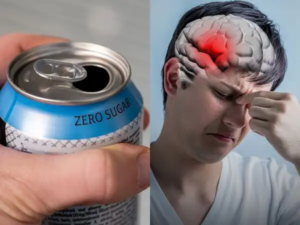


Artificial sweetener risks are getting a lot of attention right now because a new study connects these diet ingredients to faster memory loss. Researchers spent eight whole years following almost thirteen thousand adults to see how their minds changed. People who consumed the highest amounts of artificial sweetener risks showed a sixty two percent faster drop in their cognitive abilities compared to those who barely used them at all. This difference equals about one and a half extra years of brain aging. The study looked at seven popular sweetening ingredients used in diet drinks and light products.
Read Also: Somalia virus cases rise?
Understanding the science behind artificial sweetener risks and brain health
The study was published in a well known medical journal and used data from thousands of government workers in Brazil. The average age of the people involved was around fifty two years old. Everyone gave detailed information about what they ate and drank every day. Scientists tracked artificial sweetener risks by looking at popular options like aspartame saccharin and acesulfame potassium. They also checked sugar alcohols like erythritol sorbitol and xylitol.
How daily habits connect to memory tests
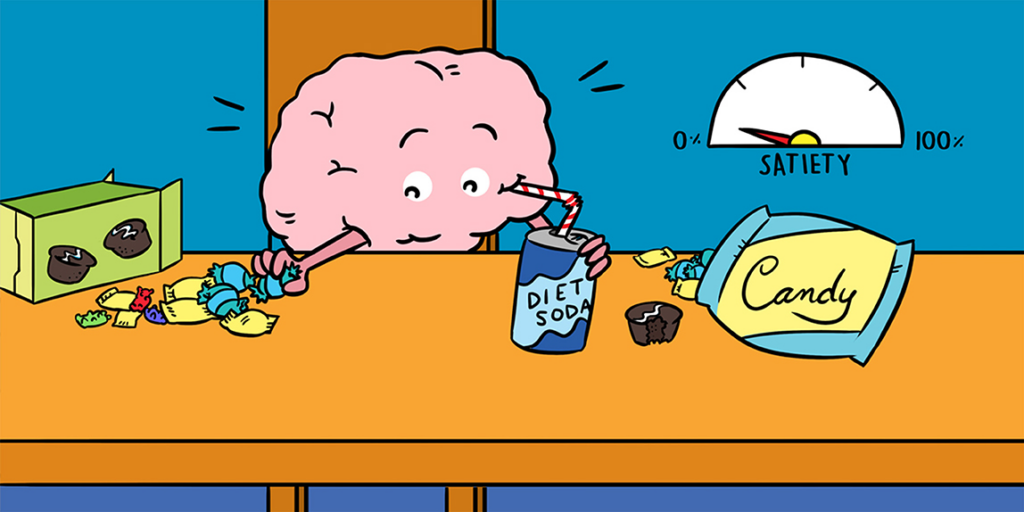
Participants took several memory and thinking tests at the start and throughout the eight year period. The results showed that higher usage of artificial sweetener Effects correlated with lower scores on vocabulary and general problem solving. Interestingly the negative link was much stronger in adults under sixty years old. It was also very noticeable in people who had diabetes. These individuals often rely heavily on zero sugar items to keep their blood sugar levels under control without realizing artificial sweetener risks might play a role in cognitive speed.
Looking closer at gut health and long term safety
It is important to remember that this research only shows a statistical link and does not prove direct causation. Doctors say that artificial sweetener Effects might be connected to other habits like eating processed foods or general health issues. Also popular options like stevia and sucralose were not included in this trial so we cannot judge them yet.
Read Also: Why is the ebola outbreak congo getting worse than ever before?
Another separate laboratory test from Cambridge examined how these fake sugars interact with gut bacteria. Their findings showed that many sweetening compounds changed how gut bacteria grows. Since the gut communicates directly with the brain this gut change might be another hidden mechanism behind artificial sweetener Effects.
Read Also: 5 Heat Stroke Prevention Tips to Protect Yourself
In conclusion while diet drinks seem like a safe choice you should stay aware of potential artificial sweetener risks. You do not need to panic or completely swap back to heavy natural sugar right away. Just try to limit artificial sweetener Effects by choosing regular water or natural drinks whenever possible to keep your mind sharp as you grow older.