

Author: Somali

The Education Above All (EAA) Foundation is actively working to address education issues in Somalia, particularly for children who are deprived of education due to poverty and conflict. Projects such as “Educate Your Children II” and collaborations with UNICEF are underway to ensure that thousands of Somali children receive primary education. These initiatives are laying the foundation for sustainable development and peace in the region by overcoming challenges such as migration, economic problems, and social inequality. EAA Foundation’s Role in Expanding Educational Access in Somalia The EAA Foundation is active in Somalia to promote education, where it aims to create…
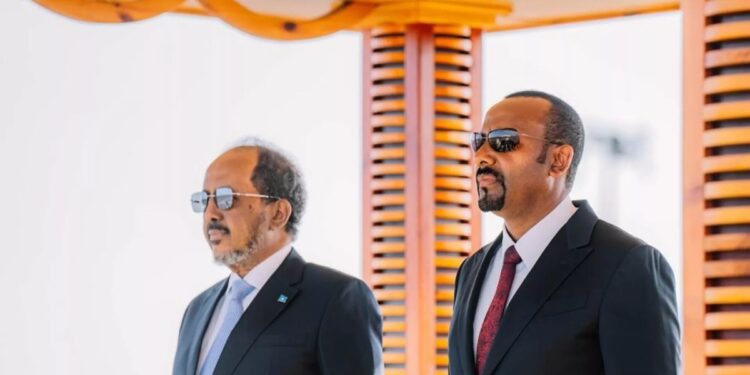
In January 2025, the Somali president visited Ethiopia. The main purpose of which was to reduce tension. After a year of continuous tension, Somali President Hassan Sheikh Mohammed was supposed to end the bilateral tension and strengthen bilateral relations. The tension started with a naval base. Ethiopia signed an agreement with Somalia to establish a naval base. However, Somalia saw the agreement as a regional threat, which was detrimental to regional security and stability there. In 2024, it was proposed to resolve the issue through talks between Turkey, and the two countries began to restore relations anew. In 2025, these…
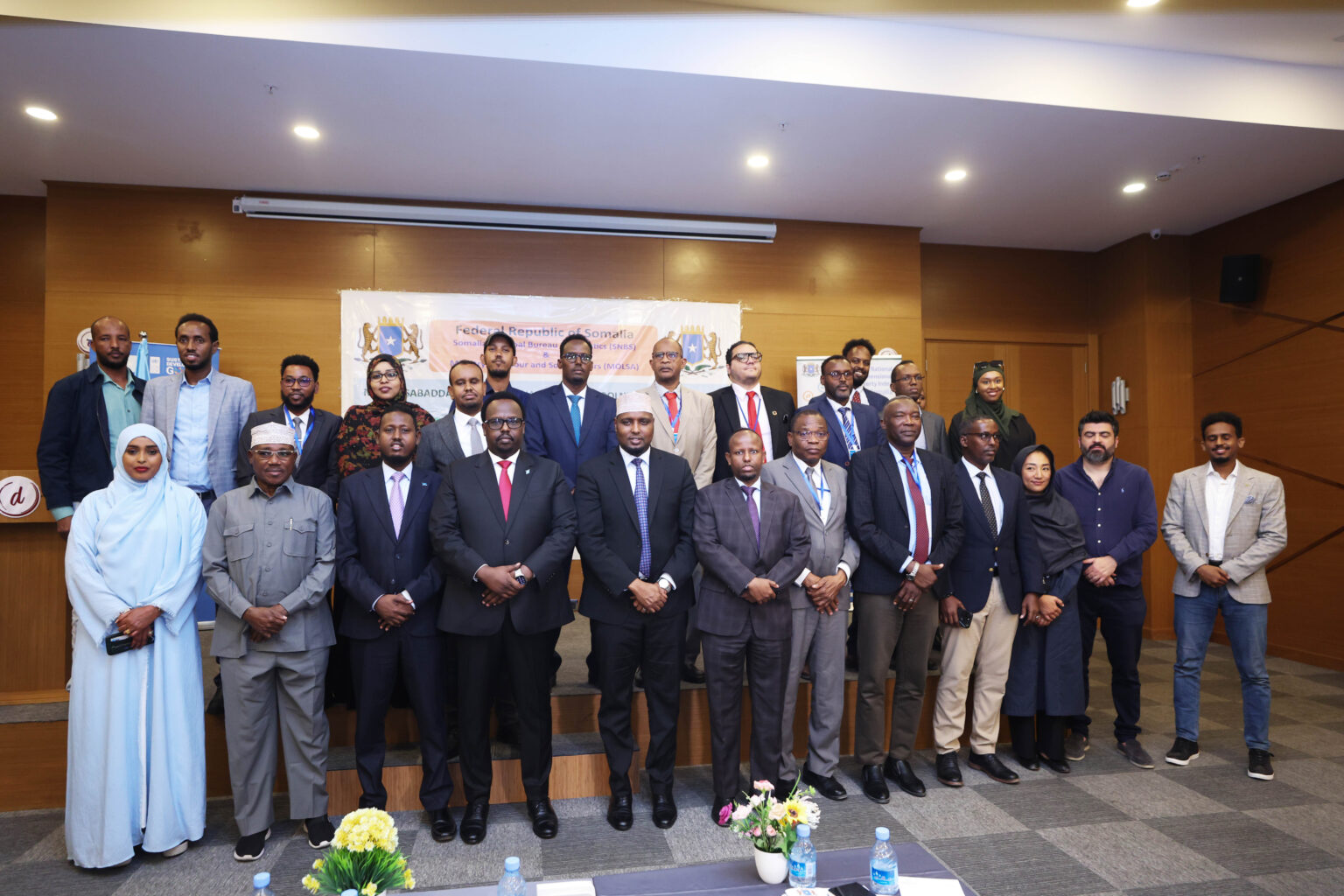
In December 2024, Somalia released its first comprehensive report to assess the problem of poverty, called the Multidimensional Poverty Index (MPI). Apart from economic aspects, the report also sheds light on factors such as education, health, amenities, quality of life, and social inclusion. The study found that 67% of the country’s population is facing deprivation in various sectors, which aims to guide poverty reduction through effective policy measures. These figures highlight the importance of focusing the government on priority initiatives for poverty alleviation. Furthermore, the report provides guidance on the necessary policy reforms for sustainable improvements in the country’s economy…
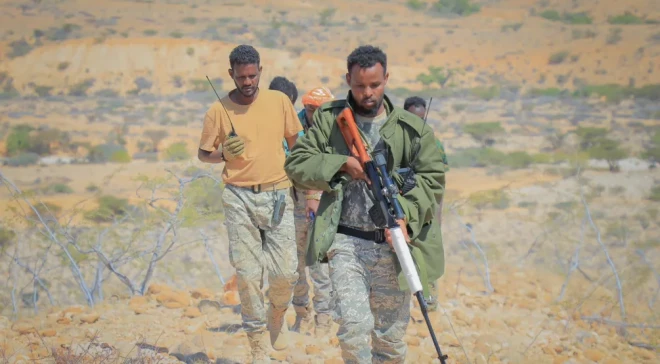
In January 2025, Puntland forces launched a major campaign against ISIS and successfully retook key areas of the Al Miscat mountain range. During this operation, terrorist centers were eliminated and their resources, such as water reservoirs and food warehouses, were seized. As a result of this campaign, not only were the activities of ISIS weakened, but also their organizational networks were severely damaged. Besides, this operation proved to be an important step towards restoring peace and stability in the region and gave a new impetus to the ongoing operations against terrorism. Strategic Importance of the Al Miskaat Mountain Range The…

Security forces in Puntland carried out a major operation against Daesh, killing 21 militants during a fierce encounter. In this successful operation, the forces regained important areas which were the hub of militant activities. This action is being seen as a decisive step to weaken the strength of the extremist group. The operation not only severely affected the militants’ logistical networks but also limited their ability to reorganize. This success has provided a strong foundation for the protection of local communities and peace and stability in the region, which can foster further development opportunities in the future. Strategic Advances Against…
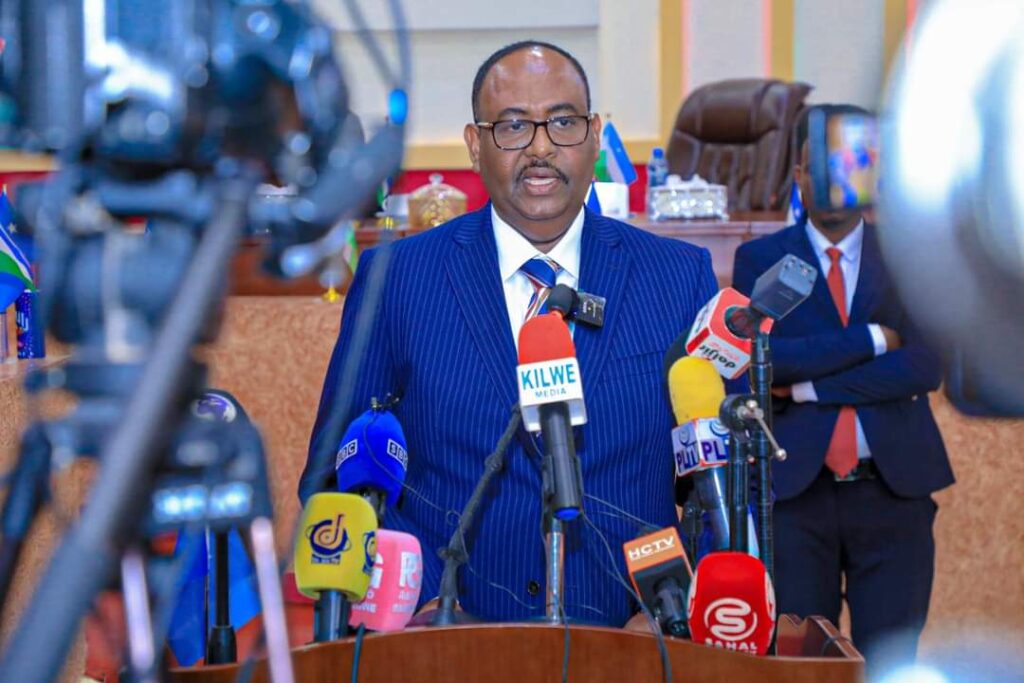
President Deni inaugurated Somalia’s largest and most modern hospital, marking the beginning of a new era in the health sector. On this occasion, he emphasized the importance of unity and solidarity and encouraged the people to work together for development and prosperity. The hospital will not only provide quality medical services but will also be a source of positive change in people’s lives. This step will fill the gap in health facilities as well as lay the foundation for establishing a modern medical infrastructure in the country. This project will increase the chances of sustainable development and prosperity at the…
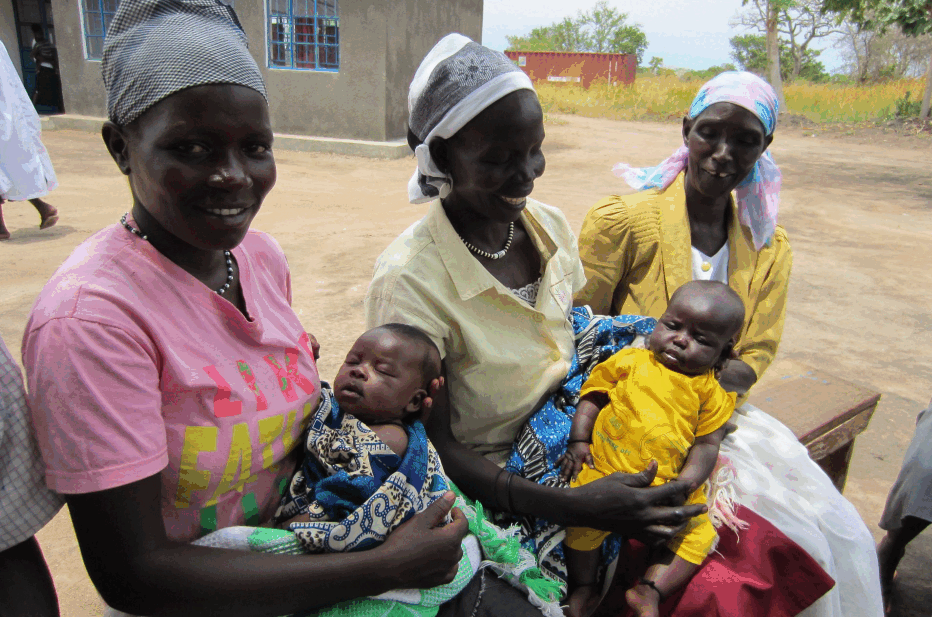
Improving the health of mothers and children in Somalia is an important step that lays the foundation for making life safer and healthier. The campaign aims to ensure access to basic health services, a balanced diet, and medical facilities. Also, the initiative empowers families to make better decisions by promoting health education, paving the way for a brighter and more stable future for future generations. Improving Access to Maternal Healthcare in Somalia Improving maternal care in Somalia requires providing quality services to women during pregnancy, childbirth, and the postpartum period. Providing medical facilities to every mother in a safe environment…
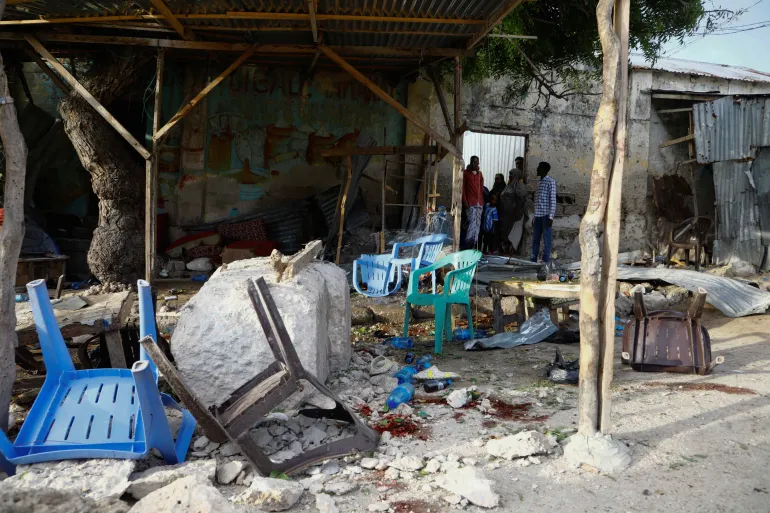
A suicide attack in a cafe in Mogadishu killed 7 people and injured 22 people. Several shops and vehicles were damaged in the attack, and people in the nearby area were affected by the blast. The force of the blast shattered the windows and people who were just a few meters away were also severely affected. There have been more than 80 major attacks in Mogadishu in the past year, most of which are likely to be attributed to extremist groups, killing nearly 1,500 people. To counter this growing threat, the government has deployed 400 security personnel and plans to…
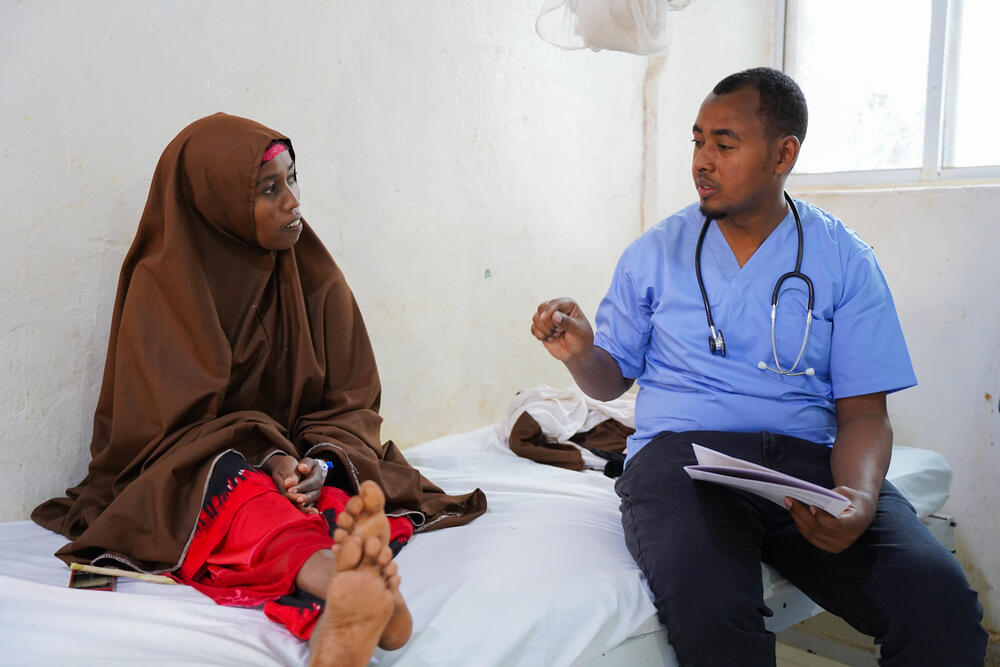
Somalia is seeing gradual improvements in health facilities, particularly in maternal and childcare. The maternal mortality rate decreased from 732 per 100,000 live births in 2010 to 692 per 100,000 live births in 2020, reflecting a positive change in the health sector. Childhood immunization rates also improved significantly, and DTP3 vaccine coverage increased from 46 percent in 2018 to 62 percent in 2023. However, problems facing the health system, such as a lack of infrastructure and inequality of access, still exist. More investments and partnerships are needed to provide equitable health services across the country. Joint efforts of the government…
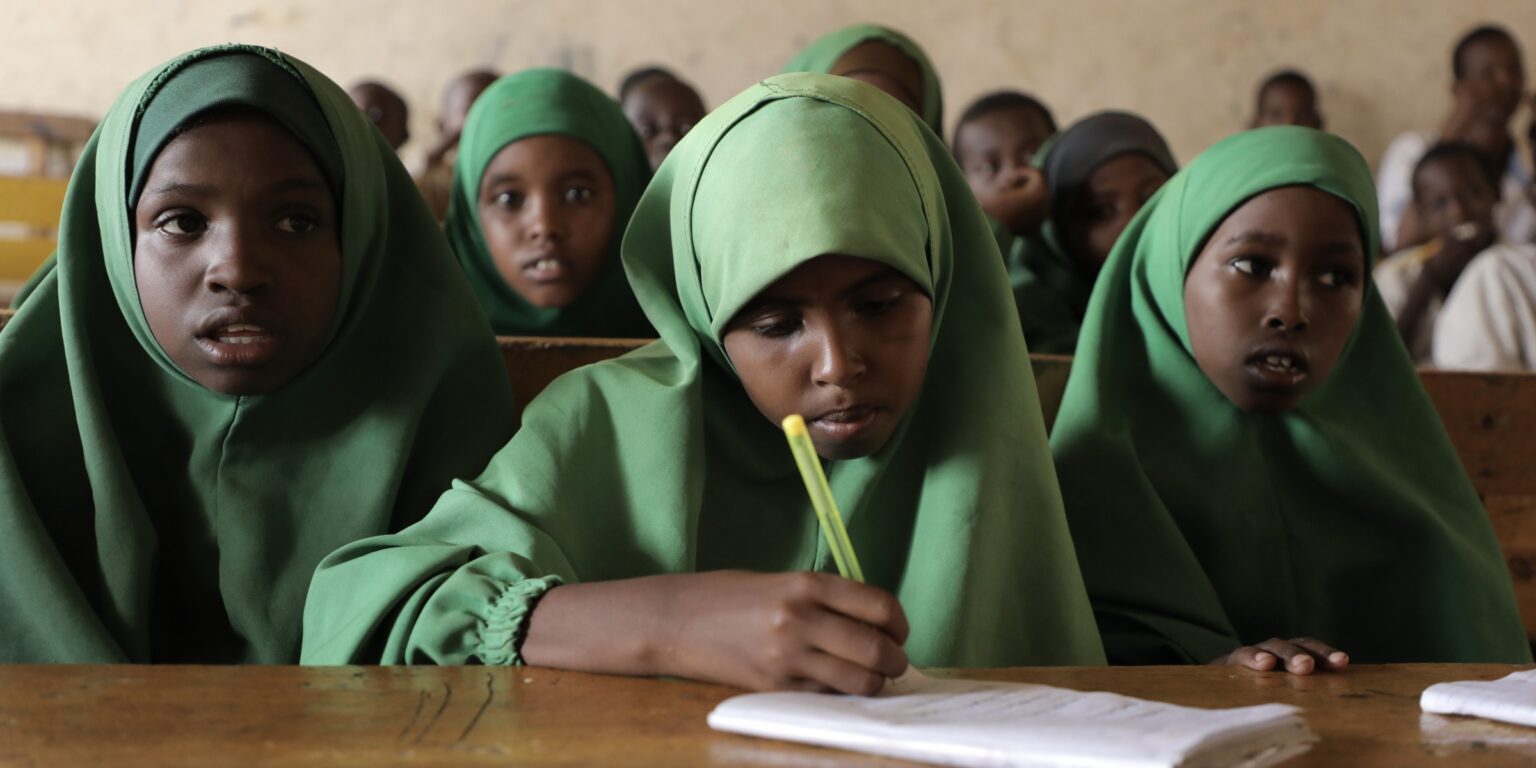
Somalia’s education sector has improved significantly in recent years, particularly with the school enrollment rate of children increasing from just 35 percent in 2010 to 60 percent by 2020. In addition, literacy rates have also improved, from 30 percent for females and 50 percent for males in 2010, to 37.8 percent and 57.8 percent respectively by 2021. However, lack of infrastructure and access problems in rural areas still hinder educational progress. Addressing these challenges requires additional investment from the government and global partnerships to provide quality education to every child. These steps are necessary for further development and better results…