
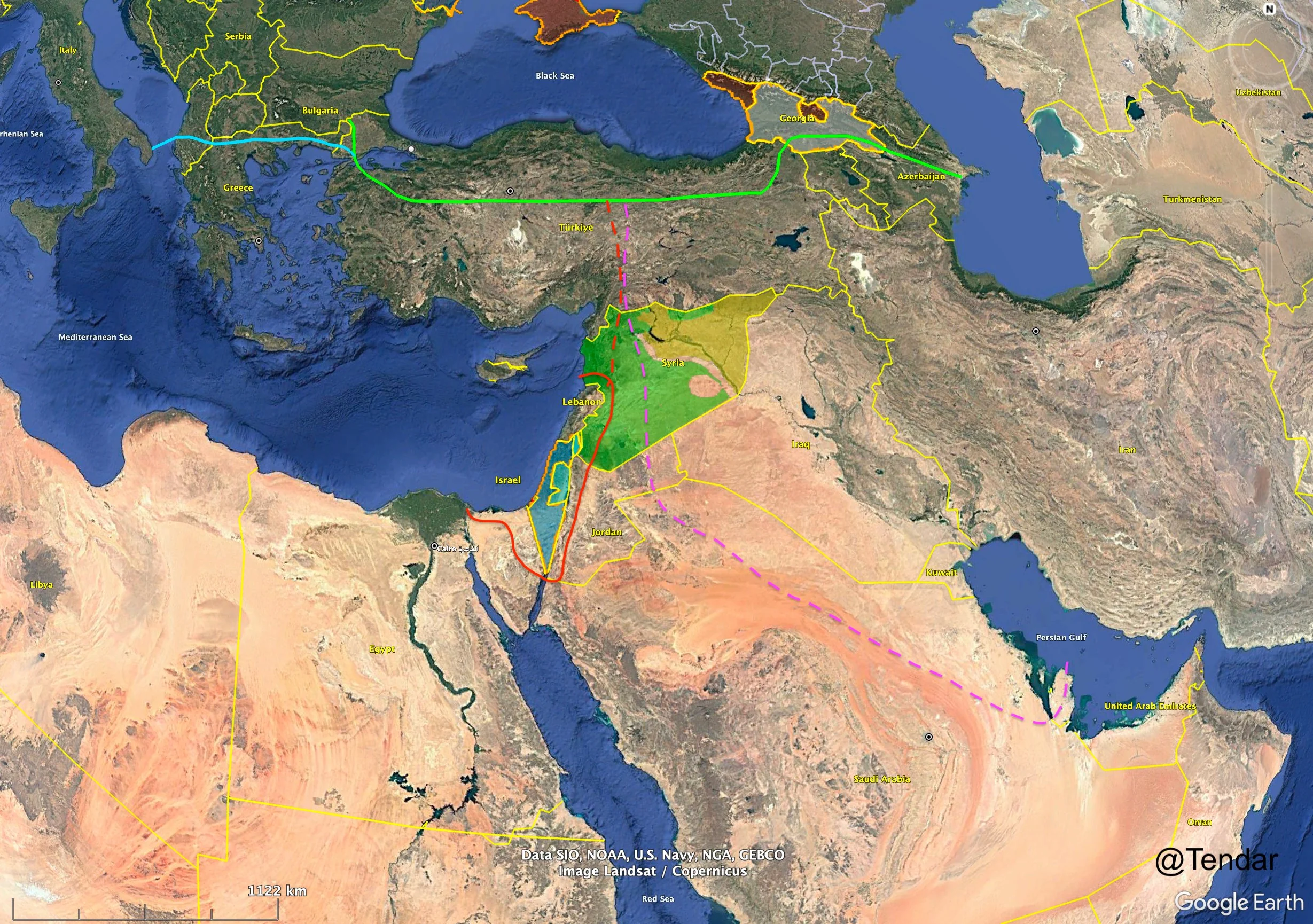


Author: Somali

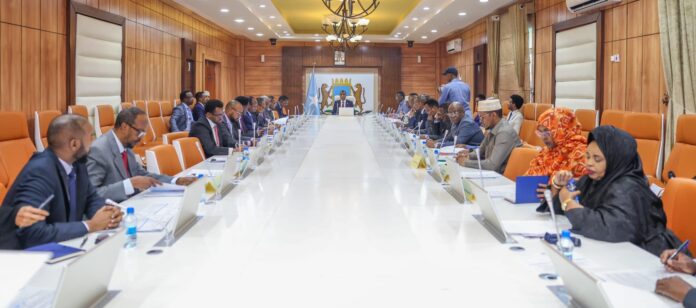
Somalia has made significant changes to its governance system, because of which the government has strengthened its grip on many areas of the country, and this control is expected to reach 60 percent by 2023. Administrative stability has also improved under the federal structure, which has brought some stability to the political situation. However, security issues in the country remain serious, and the Al-Shabaab insurgency is active in various parts of the country, leading to increased anxiety and mass displacement. By the end of 2023, 2.6 million people were forced to flee their homes because of war, reflecting the ongoing…
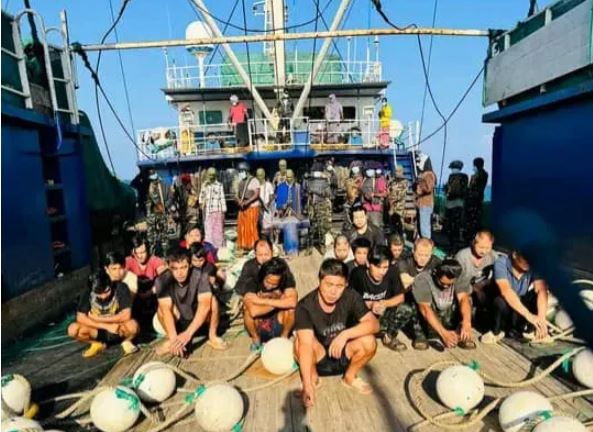
A Chinese ship and its 18 crew members held by Somali pirates have been released after a long imprisonment. The release is an important milestone in ongoing international efforts for marine conservation. Coordinated strategy and careful diplomacy enabled the crew’s safe return and helped highlight the threat of piracy in the region. The Hijacking Incident: Timeline and Details Somali pirates have seized a Chinese cargo ship, a reflection of rising piracy in the region. The incident occurred while the ship was transporting routine cargo and resulted in the lives of 18 crew members being at risk. The incident highlighted the…
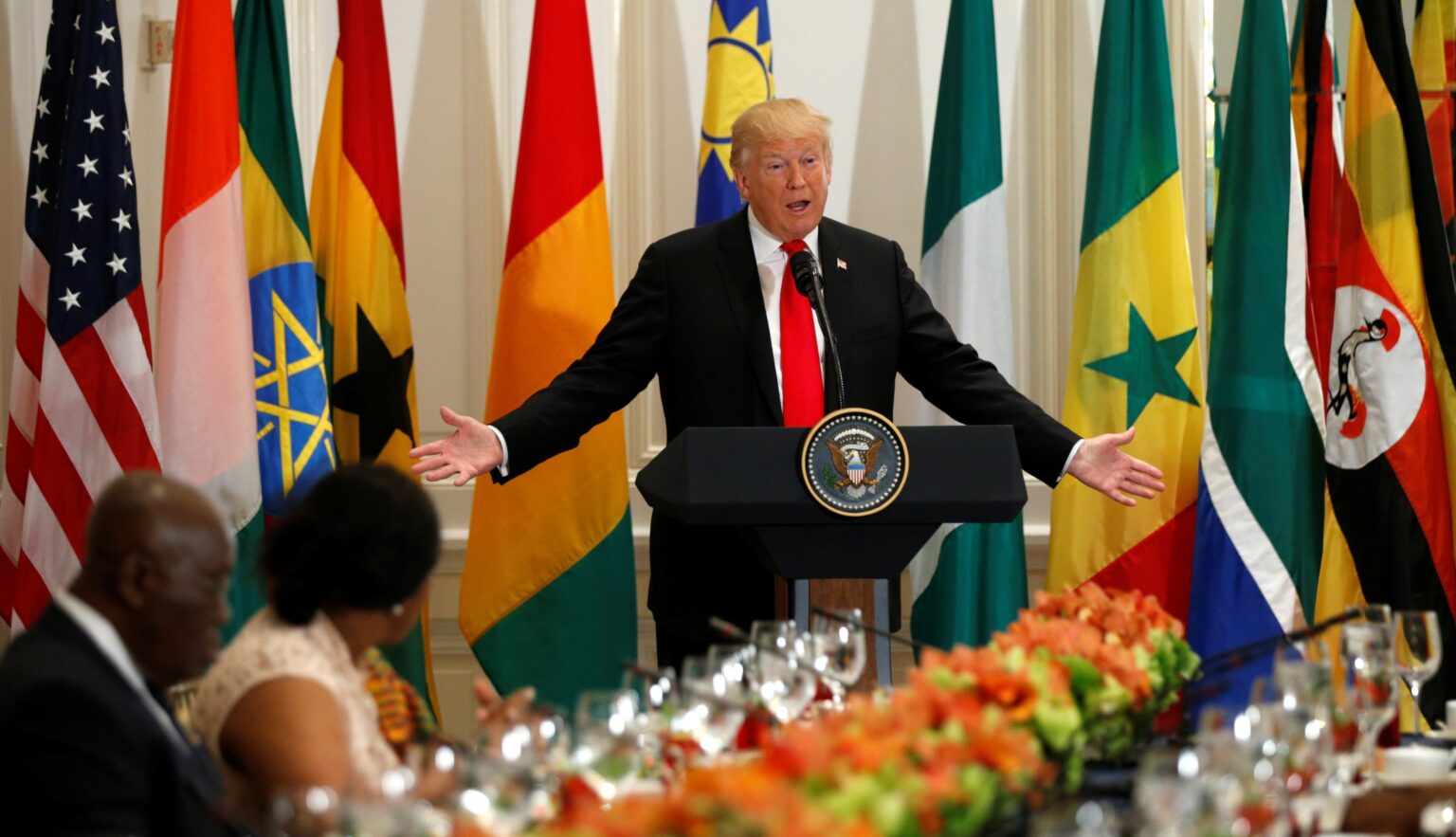
The concept of pro-Trump African groups reflects how former US President Donald Trump’s leadership and policies have evoked positive sentiments in some quarters. His strong rhetoric and unorthodox political behavior gained him popularity among groups that supported autocracy and anti-establishment ideologies. This trend shows that world leaders can influence far-flung regions through their policies and personalities. At the same time, it highlights the complexity of political views and diverse preferences in different regions. Historical Context of African Admiration for Western Leaders At various times in history, African nations have admired certain Western leaders for their strong leadership and powerful decisions.…
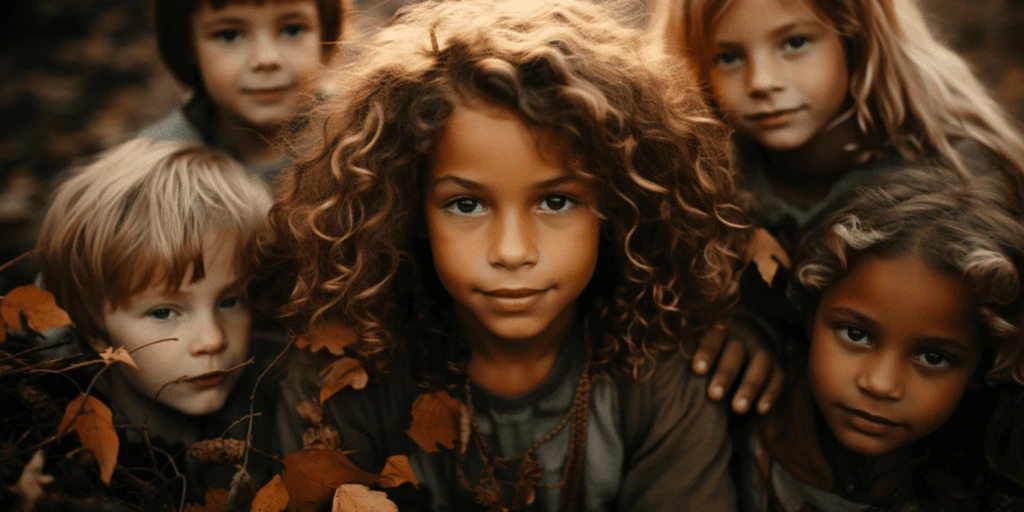
Gender equality in education is still a challenge, especially for girls. Worldwide, although there has been some improvement in girls’ education at the primary level, girls still underperform in secondary and tertiary education, particularly those living in rural or conflict-affected areas. Cultural and social barriers, such as child marriage, family responsibilities, and safety concerns, hinder girls’ educational journey. Special strategies are needed to address these issues so that every girl can have access to education. To meet these challenges, more investment and targeted initiatives are needed at the global level to ensure gender equality and promote girls’ education. Such strategies…
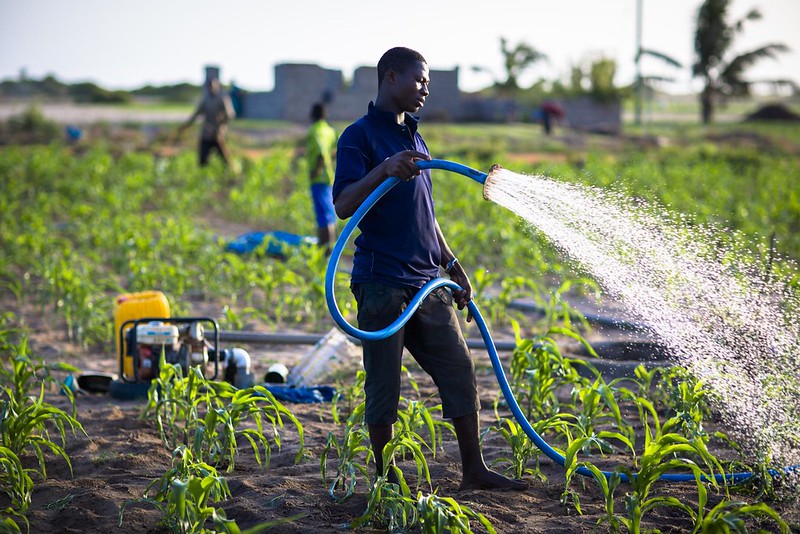
The United Nations plans to adopt a Public-Private Partnership (PPP) model to rehabilitate the irrigation system in Somalia. These projects aim to ensure water availability, promote agriculture, and provide an effective solution to the food crisis. By harnessing private investment and expertise, these initiatives will improve agricultural lands and contribute to economic stability and environmental protection. Importance of Irrigation for Somalia’s Agriculture Agriculture is the mainstay of Somalia’s economy, and an effective irrigation system plays a key role in this. Due to the uncertainty of rainfall and frequent droughts, better water management can increase crop production. Modern irrigation systems can…
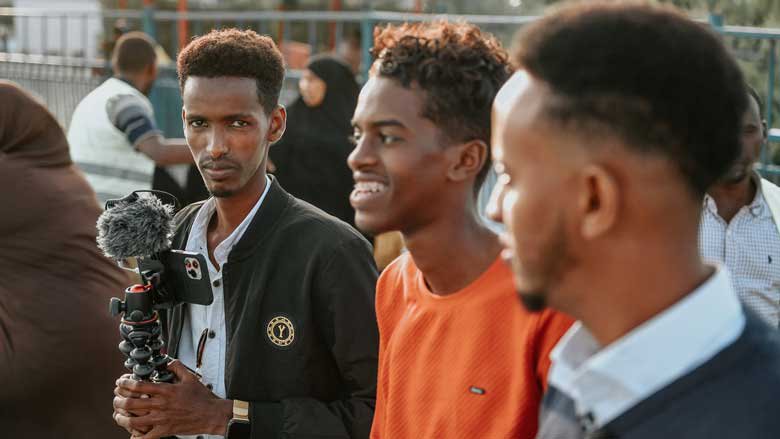
Youth unemployment is a serious problem in Somalia, stemming from a lack of education, limited economic opportunities, and ongoing political crises. The program aims to provide employment skills training, business opportunities, and financial support to empower youth. Through this initiative, the youth are allowed to play a strong economic role, paving the way for economic growth and lasting stability in the country. Understanding the Roots of Youth Unemployment in Somalia The problem of youth unemployment in Somalia is the result of several factors, including prolonged political unrest, weak economic infrastructure, and lack of investment in job creation. A substandard education…
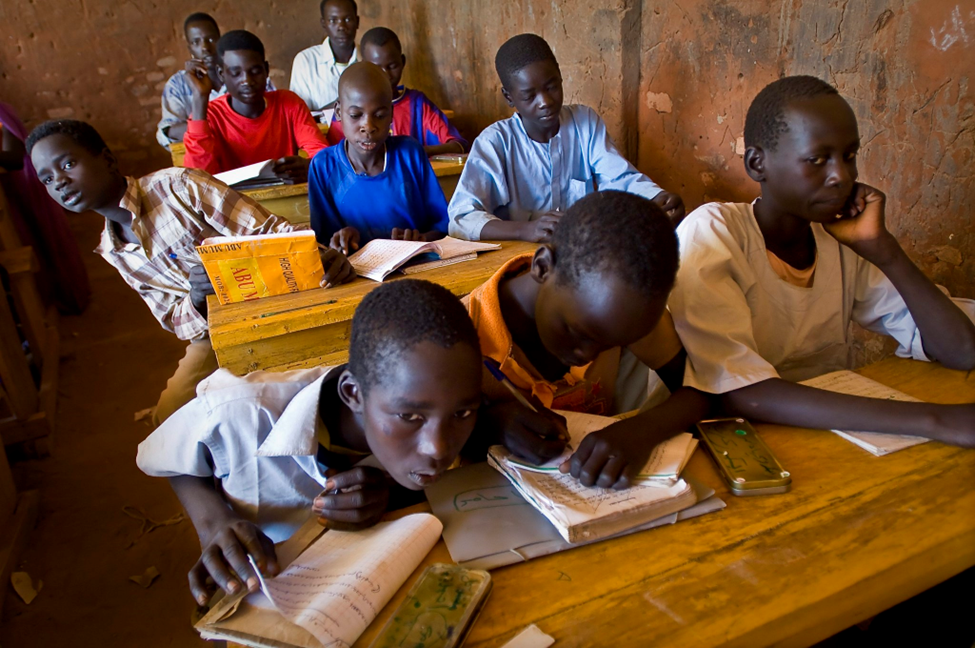
Somalia has an adult literacy rate of about 37.8%, with males at 49.7% and females at 25.8%, highlighting the gender gap. More than 3 million children, about 60%, do not go to school. Gross enrollment for primary education is 32%, and the net enrollment rate is only 20%, while only 44% of students complete primary education. Enrollment in secondary education is about 8%, and the survival rate of students at this level is less than 15%, only 4% reach tertiary education. Urban areas are more developed than rural areas, with 62% of school-going children compared to 22% in rural areas.…
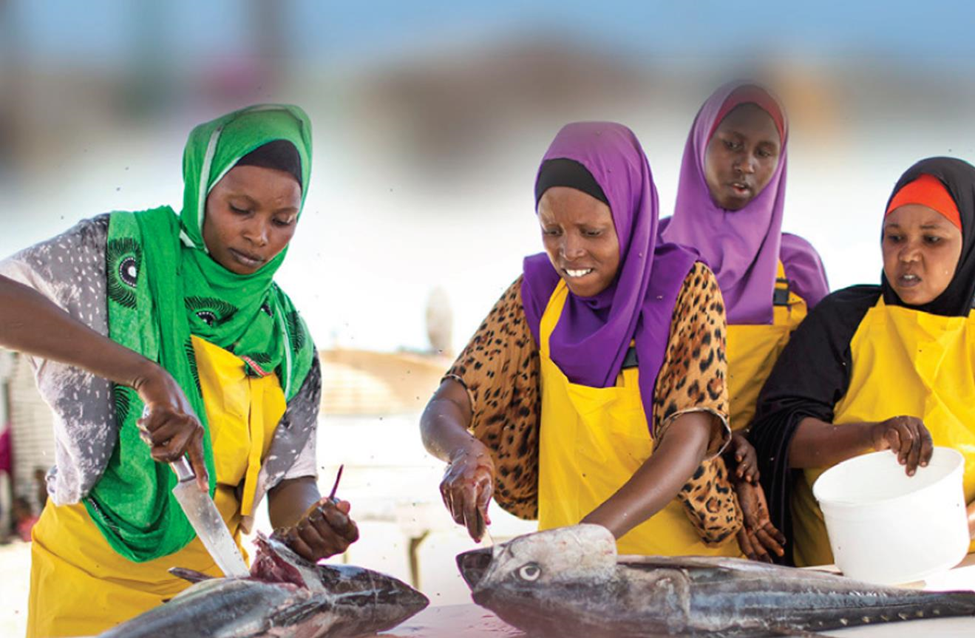
Somalia’s economy has grown by an average of 2.9% annually in recent years, with agriculture, the livestock industry, and services providing more than 60% of GDP. Unemployment has become a serious problem, especially among the youth, where about 67% of people aged 15 to 34 are unemployed, which is about 1.5 million people. More than 80% of people are working in the informal sector, with the majority in agriculture (about 60%), small businesses, and retail trade. Somalia’s GDP per capita is about $450, one of the lowest in the world. Only 18% of people have regular employment opportunities, which calls…
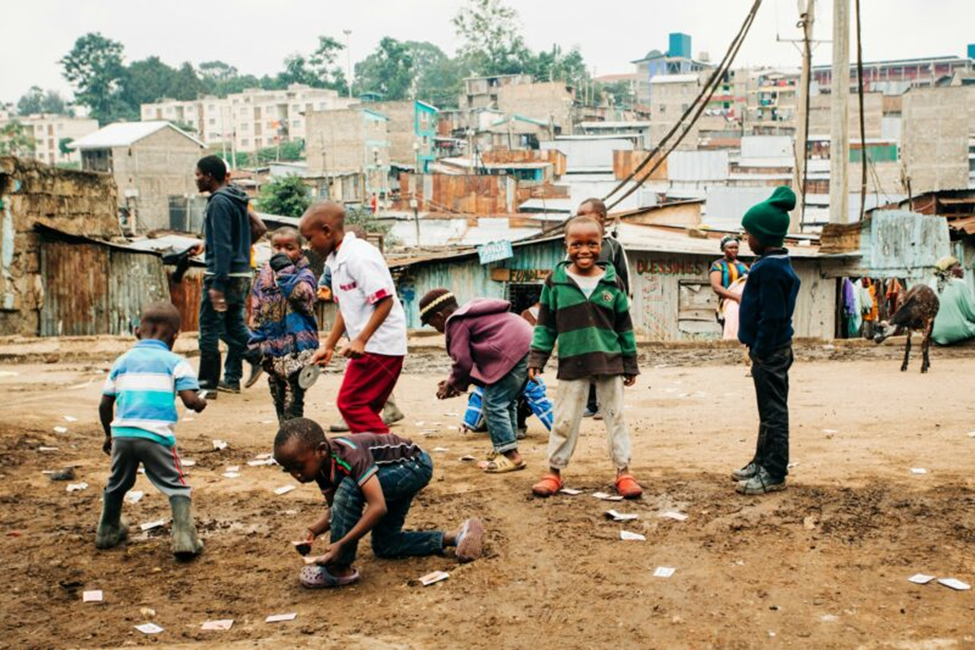
Somalia’s health system only reaches 40% of the population, leaving more than 9 million people without basic health services. The country’s current population, which has exceeded 15 million, is growing at a rate of 2.9% per year and is expected to exceed 20 million by 2030. Maternal mortality rates are high, with 732 female deaths per 100,000 live births, and an infant mortality rate of 85 per 1,000 live births. About 40% of children under the age of five are malnourished, and 3.5 million people are experiencing food insecurity. The youth population, which constitutes more than 70% of the country’s…
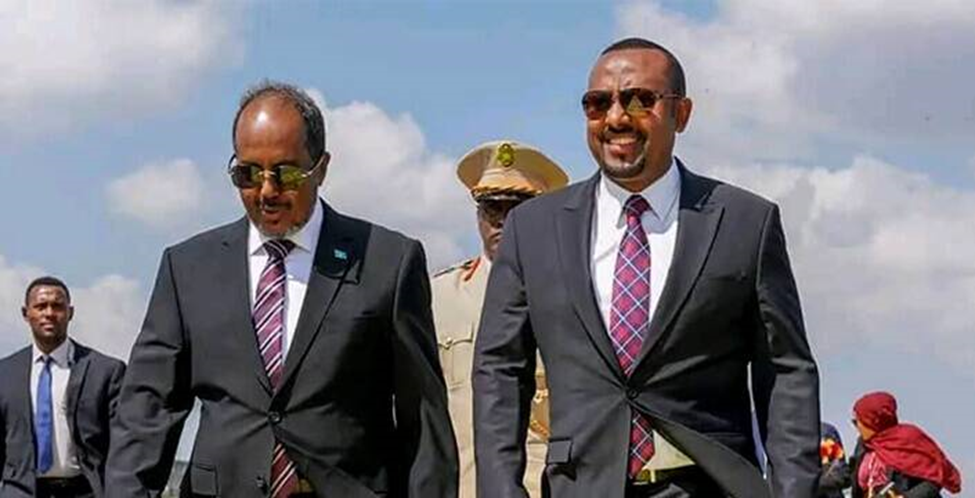
Recent military agreements between Ethiopia and Somalia reflect a growing strategic alliance, particularly in operations against al-Shabaab, which is responsible for nearly 400 attacks annually, resulting in thousands of lives lost in the region. Ethiopia has deployed 4,500 troops under ATMIS, while another 12,000 personnel have been deployed along the 1,640 km long shared border. Their common focus is on securing trade routes and limiting the impact of terrorism. Somalia increased its defense spending by 30% in 2024, to $600 million, while Ethiopia’s military budget has grown to more than $1 billion. More than 15,000 military personnel participated in the…