


Author: Somali

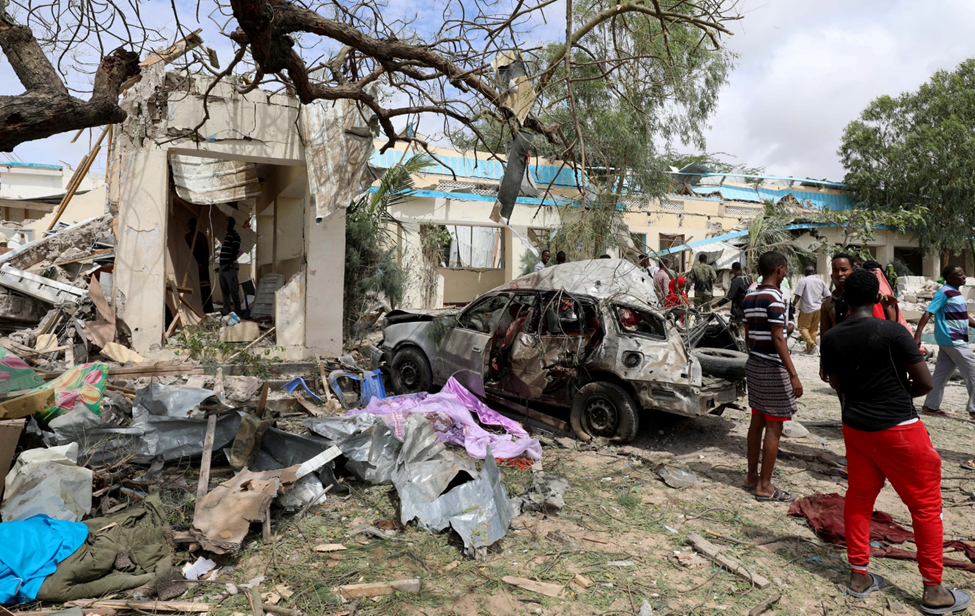
The recent suicide attack in Mogadishu has further highlighted the continuing threats of terrorism and security vulnerabilities in Somalia. The attack was carried out in a densely populated area, resulting in the loss of lives and panic among the people. This incident shows the failure of ongoing efforts against terrorist groups, who are still successfully carrying out their attacks. The aim of these attacks is not only to cause loss of human lives but also to damage the country’s stability efforts. The attack sparked public outrage and underscored the need for more effective measures to protect civilians. This incident highlights…

Somali migrants take perilous routes, putting their lives at grave risk, to reach Europe in search of better opportunities and a safer life. Their journey consists of encountering difficult deserts, dangerous sea lanes, and the snares of ruthless smugglers, who take advantage of their compulsions. Along the way, these individuals struggle to survive amid harsh weather conditions, food shortages, and threats of violence. Stability and the desire for a better future drive them forward, but unfortunately, many never reach their destination. This crisis sends a message to the international community to focus on the serious displacement problems and find lasting…

The re-imposition of the veil ban in Kismayo and Baidoa sparks a new debate on women’s rights and religious freedoms in Somalia. The administration of these areas has termed it as a step in response to the need for public order and security concerns. However, the move has also been criticized, as many see it as an intrusion into personal liberties. This judgment has further highlighted the need to find a balanced path between social and legal aspects. Proponents argue that the ban is important to ensure the identification of individuals in public places. The move deepens the debate on…
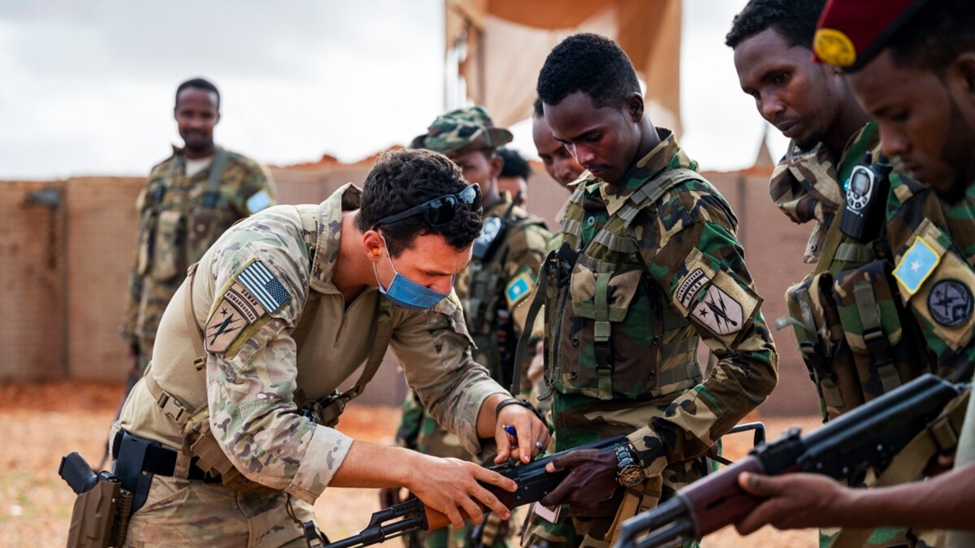
The United Nations has approved a new mission against the terrorist group al-Shabaab in Somalia, aimed not only at ending its influence but also at promoting stability in the region. The mission emphasizes strengthening counter-terrorism operations and improving the capabilities of the Somali security forces. This includes the training of local authorities and the implementation of advanced defense strategies. Along with weakening al-Shabaab’s network, the mission will work to open humanitarian aid delivery channels and restore peace. This initiative shows the serious commitment of the international community to the establishment of peace in the Horn of Africa. Mandate and Objectives…
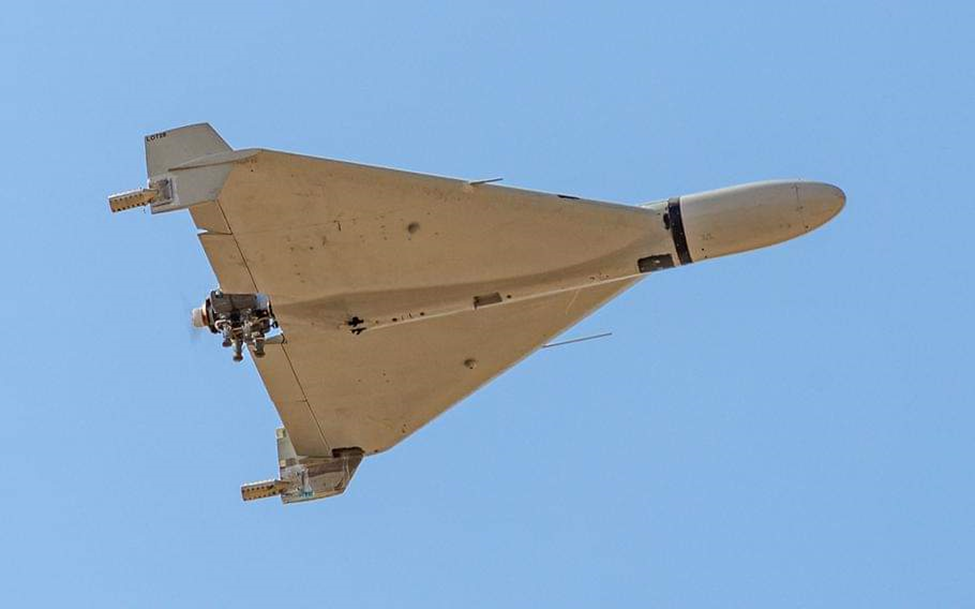
The Daesh drone strike in Puntland marks an alarming development in the use of advanced technology in terror tactics in the region. This incident proved to be a major challenge to the security of the semi-autonomous region of Puntland. The attack raised questions about the current capabilities of local security agencies and exposed their weaknesses. The situation prompted the authorities to strengthen their security strategy and highlighted the importance of international cooperation to combat such threats. The attack highlights the changing tactics of terrorist groups and the urgent need for peace in the region. Evolving Tactics of ISIS in Puntland…
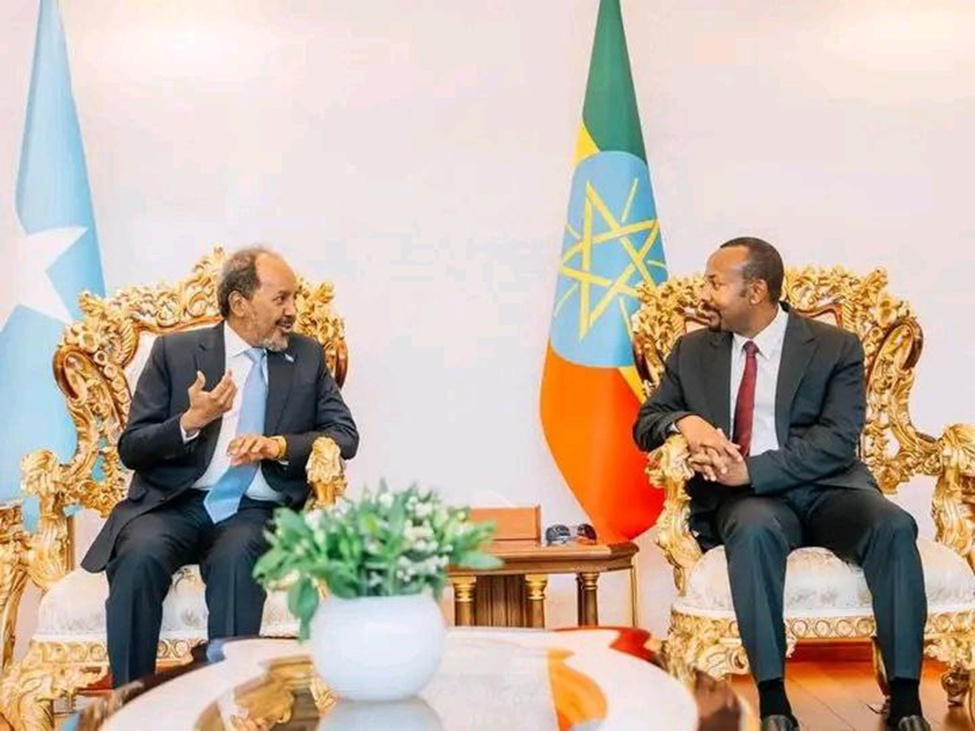
Negotiations between Ethiopia and Somalia on Somaliland and regional access focus on economic development, improving security, and creating opportunities for political cooperation. The talks seek to clarify Somaliland’s disputed position and provide Ethiopia with better access to seaports. Both countries recognize the importance of promoting regional cooperation and strengthening trade routes for mutual development. Strengthening ties is key to ending border conflicts and facing common threats. This process can provide an important basis for stability and economic integration across the region. Historical Context of Ethiopia-Somalia Relations Ethiopia-Somalia relations have a long and complicated past, overshadowed by territorial disputes, political differences,…

There are several important considerations regarding the establishment of a climate damage and loss fund, including the speed of disbursement of funds and the manner of administration. There are fears that disbursement of the allocated funds may be delayed, which will prevent the most affected countries from receiving timely assistance. Questions are also being raised about lack of transparency and unfair use of funds. Additionally, there are concerns about the Fund’s sustainability and its ability to cover all aspects of global climate damage. Addressing all these issues will require effective and transparent administration to meet the needs of affected countries.…
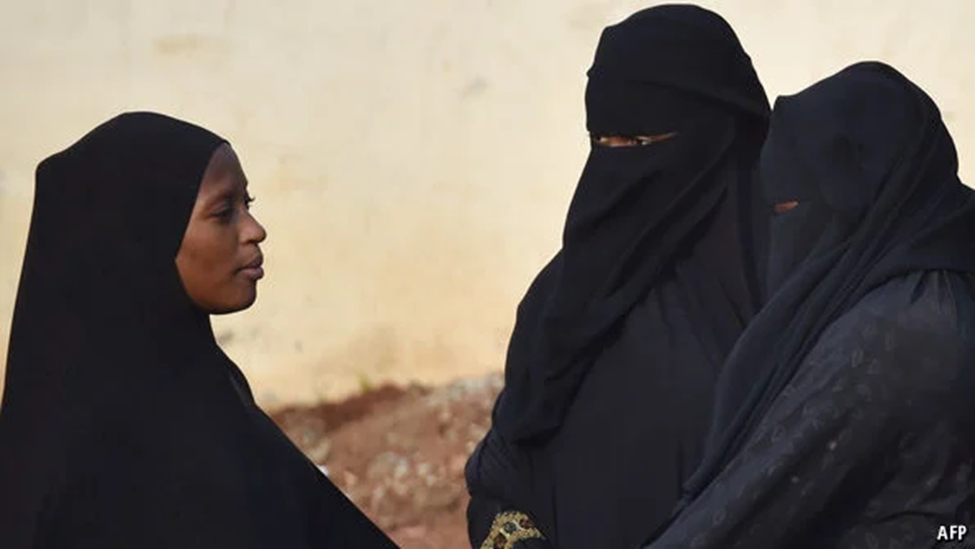
The restoration of the ban on the niqab in Somalia is seen as an important step to improve law and order. Officials argue that face-coverings allow criminals to hide their identities and commit illegal activities. The purpose of this ban is to prevent extremists from using the niqab for fraudulent and illegal purposes. The decision has sparked a new debate over personal liberties and social norms, but supporters say it is necessary for public safety. The success of this initiative depends on striking a delicate balance between cultural sensitivity and safeguards. The Security Concerns Leading to the Ban The decision…
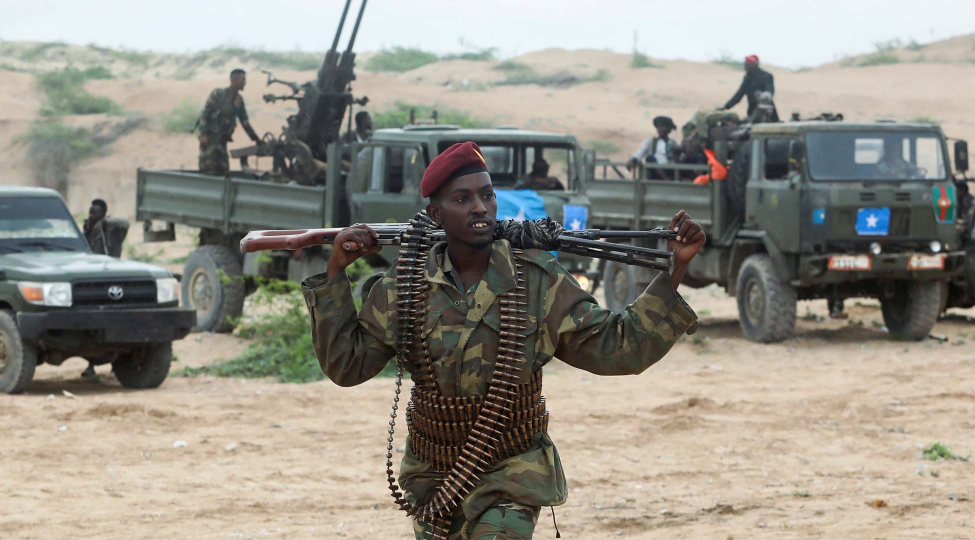
Countering terrorism in Somalia requires a comprehensive strategy that integrates security measures and partnerships at the local level. Training of local security agencies and effective intelligence sharing can successfully target terrorist groups. Extremism can be countered by providing youth with education and better employment opportunities. Global cooperation and regional solidarity are essential to combat cross-border threats. Ultimately, unity in the nation, development, and solving social problems will lead Somalia to a peaceful and secure future. Strengthening Local Security Forces and Intelligence Networks Improving the capacity of local security forces is essential for effective counter-terrorism operations in Somalia. Intelligence sharing and…
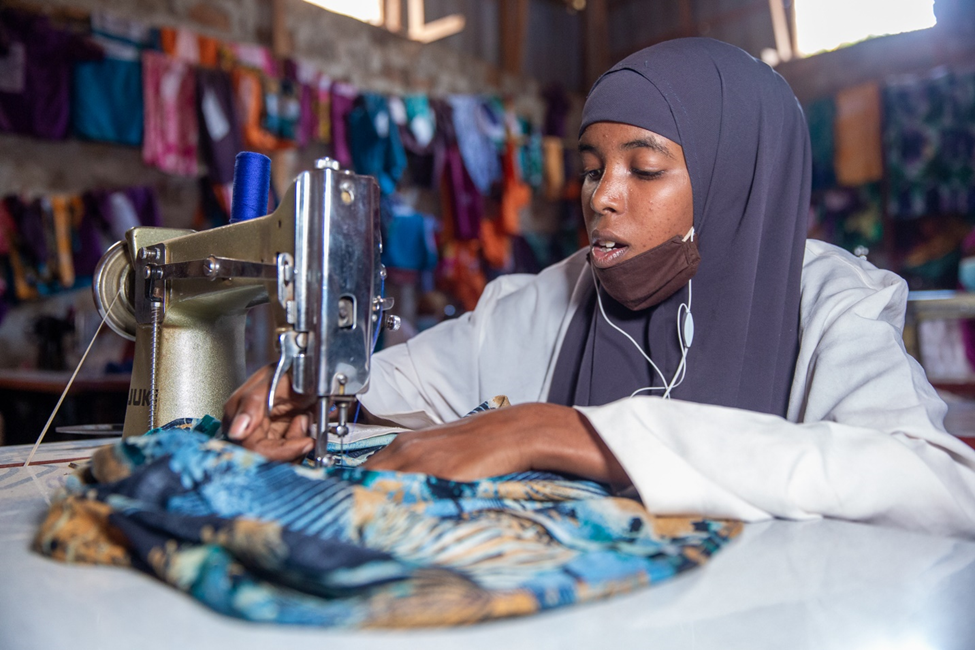
Creating employment opportunities for Somali youth requires unique and creative approaches that consider their specific needs and abilities. Investing in technology and business skills training can give young people the confidence to start and sustain their ventures. It is possible to promote their independence through access to microfinance and training. Partnerships with local and international institutions can help adapt youth training to market needs. It is important to engage the youth in community activities to inspire them to develop their future leadership. Empowering Somali Youth Through Skills Development Equipping Somali youth with practical and effective skills to tackle unemployment is…