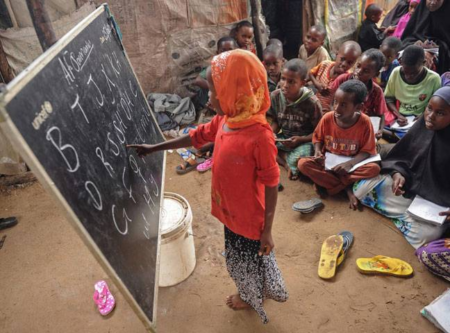

Broadcast distance learning steps in strong where internet signals fade and screens stay dark for millions of kids in far-off spots. This broadcast distance learning uses old-school radio waves and TV signals to push lessons into homes villages or even tents without needing fancy gadgets or data plans. Broadcast learning costs little reaches wide and keeps kids tied to school stuff when roads flood wars rage or cash runs short for online tools.
Many places turned to it big during tough times like pandemics proving it works when nothing else can. Families gather around a simple radio or shared TV turning airwaves into classrooms that feel close and real.

How Radio Powers Broadcast Distance Learning
Radio shines brightest in the toughest spots cheap easy and needs just batteries or solar to run. Programs pause for kids to answer out loud sing along or do quick activities making it feel interactive even one way. Broadcast learning through radio helped heaps during school shut downs reaching folks no net could touch.
In places like Pakistan or Zambia interactive radio instruction got kids reading math better with fun stories and games over air. Teachers guide along or sometimes just turn it on and join the flow. Studies show scores jump especially for girls stuck home more.
Africa saw big use with countries mixing radio into daily plans for rural spots. Broadcast learning here means no kid left behind just because far from city lights.


TV’s Role In Broadcast Distance Learning
TV adds pictures colors demos making hard stuff like science or art click easier than radio alone. Shows like Sesame Street copies or local fun ones keep little ones hooked while slipping in lessons smooth. Broadcast distance learning on TV reached middle homes without web during crises with set times for grades.
Countries set whole channels or slots for classes teachers on screen explaining step by step. In India Mexico or China TV filled gaps for millions mixing cartoons with real teaching. Parents watch too picking tips or just enjoying family time around learning.
But best when not dry lectures more stories songs questions to yell answers at screen. Broadcast learning this way feels lively not boring.
Mixing Radio And TV For Better Broadcast Distance Learning
Smart spots use both radio for deep reach TV for visuals backing each other up. Add SMS tips or workbooks sent ahead and it gets even stronger. Broadcast learning shines when governments broadcasters teachers team up picking best content timing it right.
During big shut downs over 90 countries went this route helping kids not fall too far behind. Success came from fun stuff local languages real teacher voices not stiff talks.
Challenges hit like power outs bad signals or no sets at all but sharing radios in groups or solar ones fix lots.
Why Broadcast Distance Learning Still Matters Today
Even with net growing slow some spots stay cut off for years cost or land reasons. Broadcast learning fills that hole quick low cost no fancy setup needed. It teaches more than books builds listening habits family bonds around shows.
Stories abound of kids passing exams thanks to nightly radio or village TV gatherings turning learning social. Teachers far away feel closer guiding through waves.
In end broadcast learning proves simple tools beat none every time. It keeps hope alive doors open for kids dreaming big from quiet corners.
Folks push for more investment better programs local twists. Mix with bit of phone feedback and it gets near perfect.
Read Also: Education Funding Nightmare: Who Will End Somalia’s Struggle Before It Swallows the Future?
Broadcast distance learning ain’t old fashioned it’s lifesaver smart and kind reaching where others can’t.
Kids smile hearing familiar voice over crackly speaker knowing school goes on. That’s the real win.