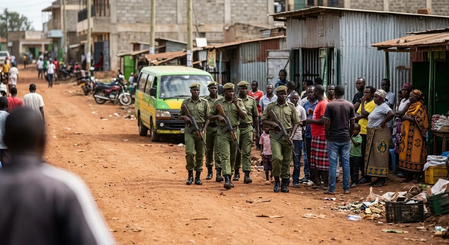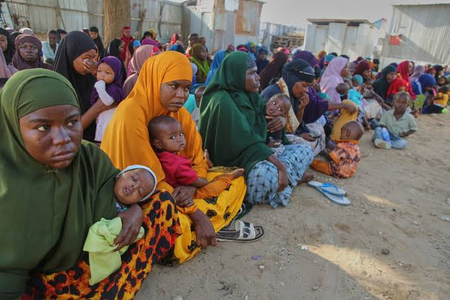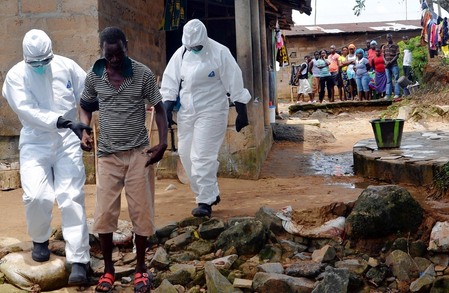
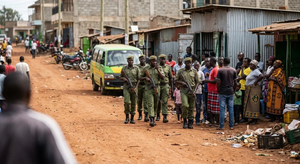

Crisis education challenges are growing bigger around the globe today because of sudden earthquakes heavy floods and long political conflicts, When a massive disaster hits a town or a country, the local schools are often the very first places to close down completely, Many buildings get destroyed by the weather or get used as temporary shelters for families who lost their homes,
This means millions of young kids lose their daily routine and stop learning for many months or even years, Forcing children to stay home away from their friends and teachers creates a very bad gap in their personal development, By looking at how different communities handle these terrible situations, we can learn how to build a stronger school system that stays open even when bad things happen.
Read Also: How Distance Learning Benefits Students Across Somalia
When governments do not prioritize schooling during a heavy emergency, the long-term damage to the youth is completely devastating, Children forget their basic reading and math skills very fast if they do not practice every week.
Crisis education challenges and the loss of safe school buildings
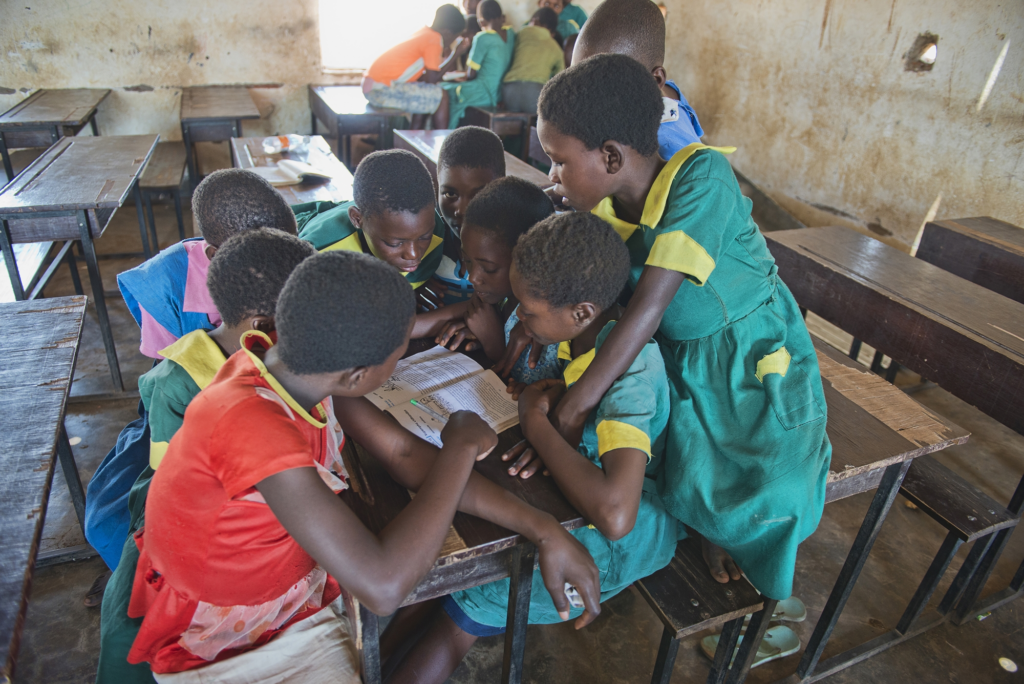
The physical destruction of classrooms is a huge part of crisis education challenges that local authorities have to face right after a disaster, If a town experiences a violent earthquake or a massive storm, the school roofs can collapse making it totally unsafe for kids to enter, Rebuilding these large concrete facilities takes a massive amount of money and months of hard construction work, In poor countries where the government does not have extra funds, children are forced to sit outside under trees or inside hot tents to listen to their lessons, This uncomfortable environment makes it very difficult for students to focus on their books.
Read Also: Why Is School Counseling Vital for Student Success?
Furthermore many teachers also lose their homes or get injured during the disaster which creates a severe shortage of trained staff, Without enough adults to manage the classrooms, the quality of training drops very low and older children start dropping out to find manual work to help their families survive, This economic pressure makes crisis education challenges much more complicated to solve.
How modern technology helps students study from a distance
During the recent global health emergencies and wars many nations tried to switch to digital learning tools to solve crisis education challenges, Teachers started recording their lessons on video and sending them to students via mobile phone apps or through local television channels, This digital method allowed kids who had a stable internet connection to keep up with their homework while staying safe inside their homes.
However this tech solution created a new type of unfairness because poor families living in remote villages or refugee camps do not have smartphones laptops or electricity, They cannot access these modern digital classrooms at all, This dark reality proves that technology alone cannot solve crisis education challenges for the most vulnerable kids in our society.
The deep mental trauma that children carry after disasters
We must remember that living through a scary natural disaster causes a lot of psychological damage to young minds, Children who see their schools broken and their neighborhoods ruined often suffer from severe anxiety nightmares and a constant fear of the future, Sitting in a classroom and trying to study hard math equations becomes almost impossible when your mind is full of scary memories.
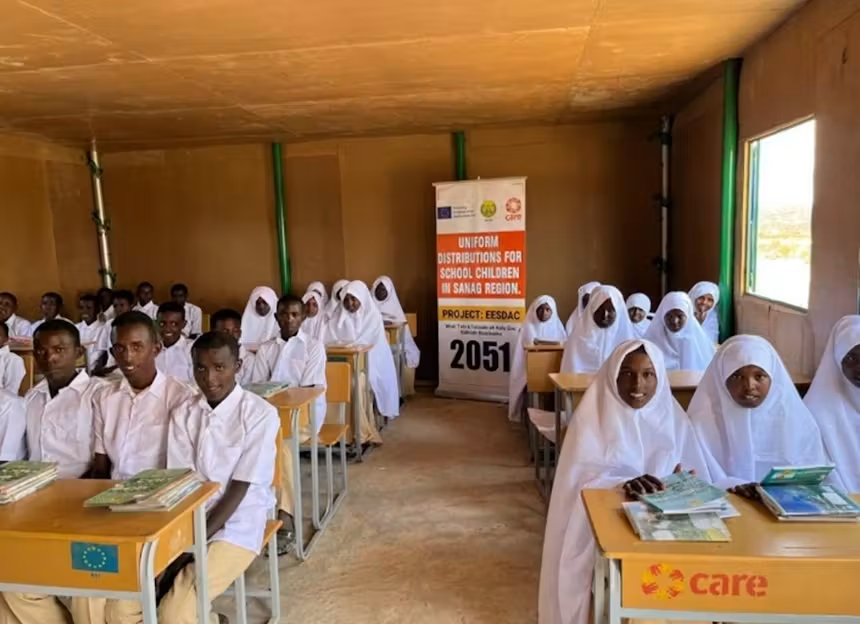
This is why dealing with crisis education challenges requires schools to provide mental health support and counseling alongside regular lessons, Teachers need special training to spot kids who are suffering silently and help them feel safe and loved again through art games and open discussions.
Creating mobile learning boxes and temporary classrooms
To keep the learning process alive charity organizations are now building mobile educational kits to fight crisis education challenges in emergency zones, These kits include simple items like portable whiteboards notebooks pencils and basic reading books that can be set up inside a temporary tent within a few hours, This fast action allows children to return to a normal routine quickly which is great for their mental health.
When a child has a place to go every morning to read and write, it gives them a wonderful sense of hope that life will get better soon, Local communities must support these small tent schools because they keep the youth safe from street dangers during a chaotic period.
Why international aid is essential for emergency schooling
Most developing nations cannot handle the heavy financial cost of crisis education challenges without receiving help from rich countries and global organizations, Sending money to buy school supplies build strong buildings and pay teacher salaries is the best way to support a recovering country.
If the global community ignores these broken school systems, an entire generation of children will grow up without knowing how to read or write properly, This educational failure will lead to more poverty and higher crime rates in the future, proving that emergency schooling is a global responsibility.
Read Also: How Do Different school activities Help Kids Learn Better?
In conclusion keeping children connected to their books during times of war or natural disasters is one of the toughest tasks for any government today, We cannot let environmental or political problems destroy the future of our young minds permanently, By investing in mobile classrooms training teachers for emergencies and sharing digital tools fairly we can overcome these difficult situations, It is easy to see that facing crisis education challenges with courage and smart planning is the only way to protect the dreams of children who want to study and build a better world.