

Digital learning Somalia is a topic that brings up a lot of mixed feelings for people living in the Horn of Africa today. On one hand you see young students in Mogadishu or Hargeisa holding smartphones and trying to access lessons online because they want a better life. On the other hand you see the massive gaps in electricity and the high cost of data that make it feel like a distant dream for many. When we talk about digital learning Somalia we are basically looking at a country that is trying to leapfrog over years of conflict and traditional classroom problems by using the internet.
It is a huge gamble but it might be the only way to reach kids in rural areas who have never seen a formal school building in their lives.
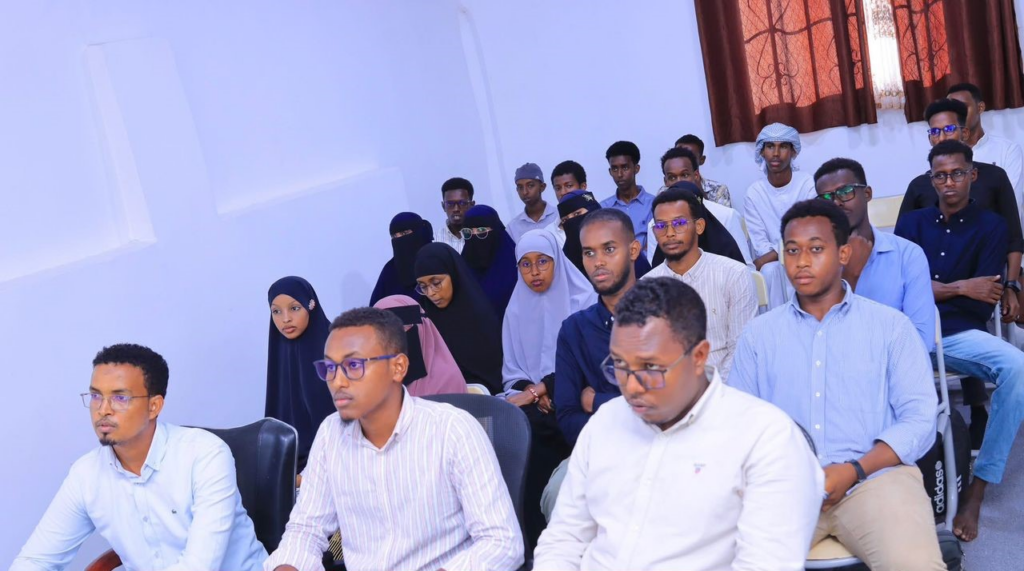
Read Also: What are the main Somali education hurdles today?
The Great Potential of Digital Learning Somalia
The most exciting thing about this shift is how it breaks down walls. In the past if you lived in a remote village your education ended where the local road ended. Now with digital learning Somalia a girl in a small town can theoretically watch the same science video as a student in a private school in the capital. This creates a kind of equality that was never possible before.
Private companies and some international NGOs are starting to realize that building a digital platform is often cheaper and faster than building 50 physical schools in areas that are hard to reach.
- Access to Global Resources: Students can find textbooks and videos from all over the world for free.
- Flexible Timing: Many young people in Somalia have to work or help their families so being able to study at night on a phone is a game changer.
- Teacher Training: It is not just for kids because digital learning also helps teachers improve their own skills through online workshops.
The Reality of the Digital Divide
However we cannot talk about the benefits without looking at the massive hurdles that stand in the way. For digital learning Somalia to actually work for everyone and not just the rich you need a few basic things like cheap internet and steady power.
Right now the cost of a gigabyte of data in some parts of the country is still too high for a family living on a few dollars a day. Also many homes do not have a laptop or even a basic tablet. Most students are trying to do everything on a small cracked smartphone screen which is not the best way to learn complex subjects like math or coding.
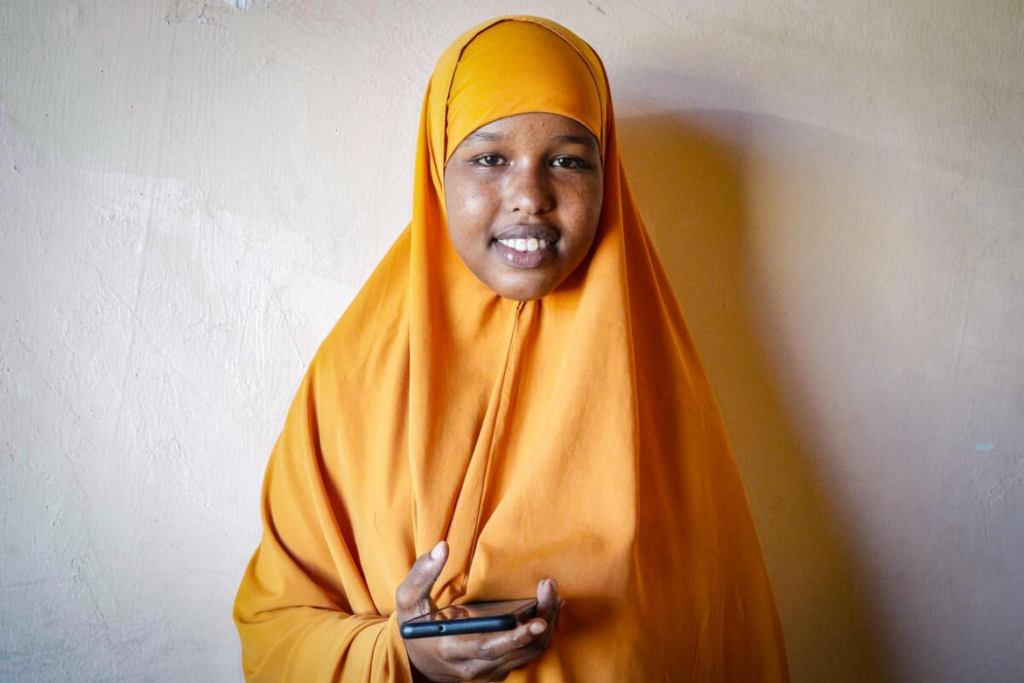
Read Also: Somali basic schooling: Key to future success
“Education is the most powerful weapon which you can use to change the world” – This quote is famous but in the context of digital learning Somalia that weapon needs a battery and a Wi-Fi signal to actually work.
Government and Private Sector Roles
If we want digital learning Somalia to be a success story the government has to step up and make better policies. They need to work with telecommunication companies to lower the prices for educational websites. We have seen some progress where certain universities offer free portals for their students but it needs to be a national effort. The private sector in Somalia is actually very strong and tech-savvy so if they see a benefit in a more educated workforce they might invest more in the infrastructure needed for digital learning Somalia.
Looking Ahead to the Future
In the end the question of whether this is a chance or a challenge does not have a simple answer. It is both at the same time. The youth in the country are very hungry for knowledge and they are incredibly good at adapting to new technology. Even with slow internet you see them on YouTube trying to learn new languages or business skills. This drive is what will push digital learning Somalia forward despite the lack of resources.
Read Also: How Poor Child Education Shapes Society’s Future
We have to realize that the old ways of teaching are not enough anymore. To compete in the global market Somali students need to be digitally literate. If the country can fix the power issues and make the internet a right instead of a luxury then digital learning Somalia will truly become the bridge to a peaceful and prosperous future.
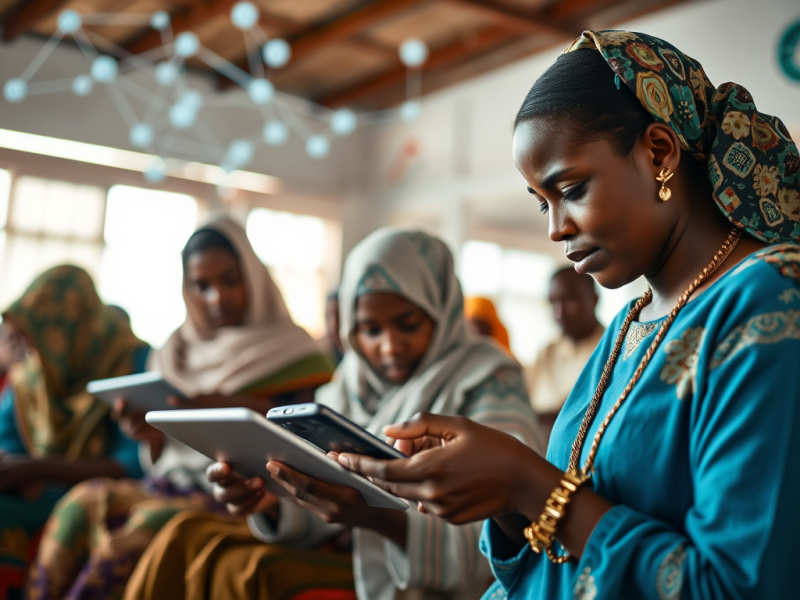
It is a long road but the first steps have already been taken by every student who logs on to learn something new today. Progress might be slow but the shift toward digital learning Somalia is definitely something that cannot be stopped now.