


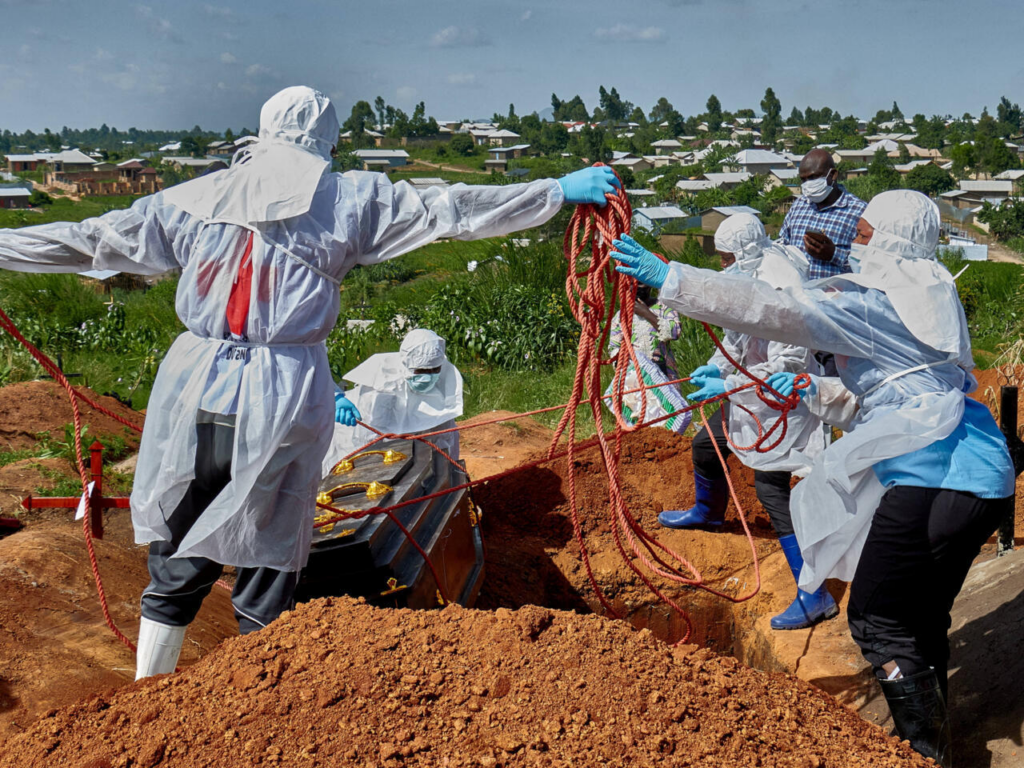
Ebola outbreak crisis is spreading rapidly across eastern regions causing massive fear among local communities and health authorities. The government recently announced that over two thousand people have died since the virus started taking over remote villages. Health workers are struggling to deliver medical aid due to ongoing violent conflict bad roads and sudden worker strikes. While it took nine weeks to reach the first thousand deaths the number doubled in just three weeks. This frightening escalation shows that the health emergency is moving much faster than doctors can track it. Officials confirm that this event ranks as the second largest health emergency of its kind in recorded history.
Read Also: Somalia virus cases rise?
Why Ebola outbreak crisis is extremely difficult for health teams to control.
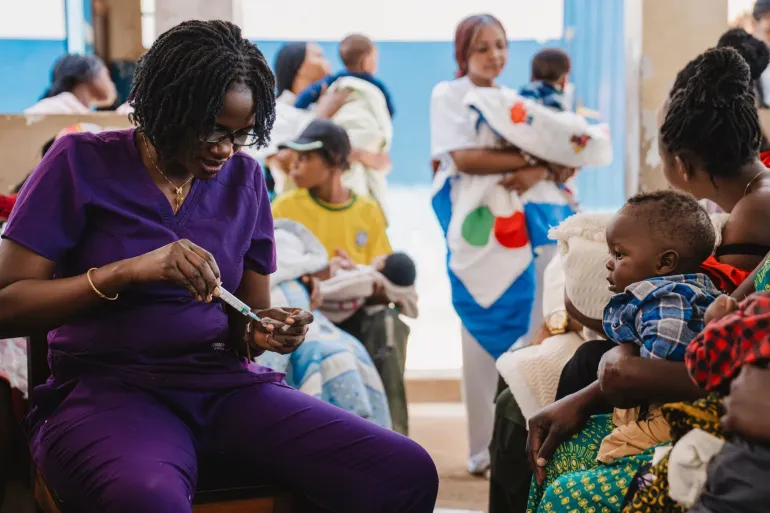
What makes this Ebola outbreak crisis so dangerous compared to previous events is the rare virus strain involved. Medical teams have no approved vaccines or specific medicines for this particular Bundibugyo strain yet. Clinical trials for experimental treatments are only just beginning in Ituri province where the outbreak is centered. Aid workers warn that the disease is spreading across five eastern provinces while local resources remain critically low. Without proven vaccines or strong financial support doctors face an uphill battle to save lives and stop the virus from entering major cities.
Strikes and logistical obstacles in rural regions.
To make matters worse during this Ebola outbreak crisis many local doctors and nurses went on strike over unpaid wages. Many health employees have not received their salaries since the official announcement of the emergency months ago. Broken roads and active rebel groups make transporting isolation units and medical kits extremely slow. When health staff stop working because of missed paychecks infected patients leave clinics and return home which spreads the infection to family members and neighbors.
Read Also: 5 Heat Stroke Prevention Tips to Protect Yourself
Unmonitored transmission and WHO concerns.
According to reports from international health organizations most new cases are occurring outside known contact lists. This means that infected individuals are moving freely without medical supervision or quarantine measures. When health teams cannot trace where the virus goes next the Ebola outbreak crisis becomes almost impossible to contain within local boundaries. Medical experts urge local leaders to resolve salary disputes immediately so workers return to clinics.
Comparing past health emergencies to current challenges.
Looking back at past epidemics the West Africa event from a decade ago recorded over eleven thousand deaths. While current numbers are lower the rapid doubling rate creates huge panic among aid agencies. During this Ebola outbreak crisis community resistance and fear of isolation centers also slow down emergency responses. Many sick people hide in their homes rather than going to hospitals because they distrust public authorities.
The need for international aid and emergency supplies.
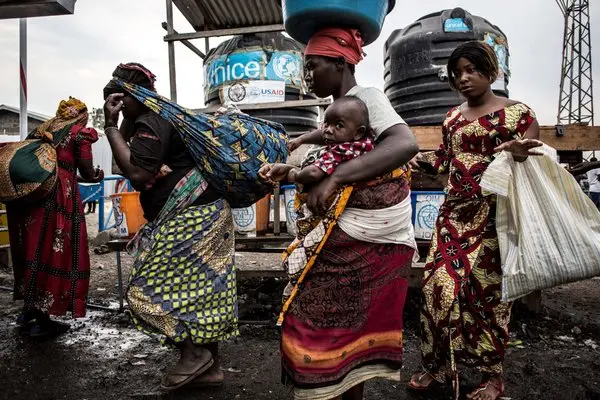
Global health groups are calling on international donors to send extra funding medical gear and field laboratories immediately. Without solid financial backing local response teams cannot build enough treatment units or hire contact tracers. Stopping this Ebola outbreak crisis requires securing safe transport routes for ambulances and providing food supplies to isolated families during quarantine periods.
Read Also: What is fast cavity treatment and how does it help kids?
In conclusion the Ebola outbreak crisis in the Democratic Republic of Congo highlights severe weaknesses in local healthcare infrastructure and emergency funding. Unpaid staff bad roads and a rare virus strain without approved vaccines create a dangerous situation for millions of residents. Unless international agencies step in to support health workers and secure remote areas the virus will continue to spread across borders and claim more innocent lives in the coming months.