
Frozen Iranian funds are now the main topic of conversation in international news because negotiators from Tehran are trying very hard to get their money back from foreign banks. A high level team of officials just landed in Qatar to discuss a new fourteen point agreement that could finally bring an end to the severe military conflict with western nations.
According to recent reports from local news agencies the total amount of cash they want to unlock reaches about twenty four billion dollars. This massive financial move comes right after a series of joint airstrikes created a lot of tension in the region earlier this year. Everyone is watching these meetings closely because a successful deal could change the economy of the middle east overnight.
Read Also: US Iran negotiation: Is there still a chance for peace?
Breaking Down the Huge Plan for Unlocking the Frozen Iranian funds
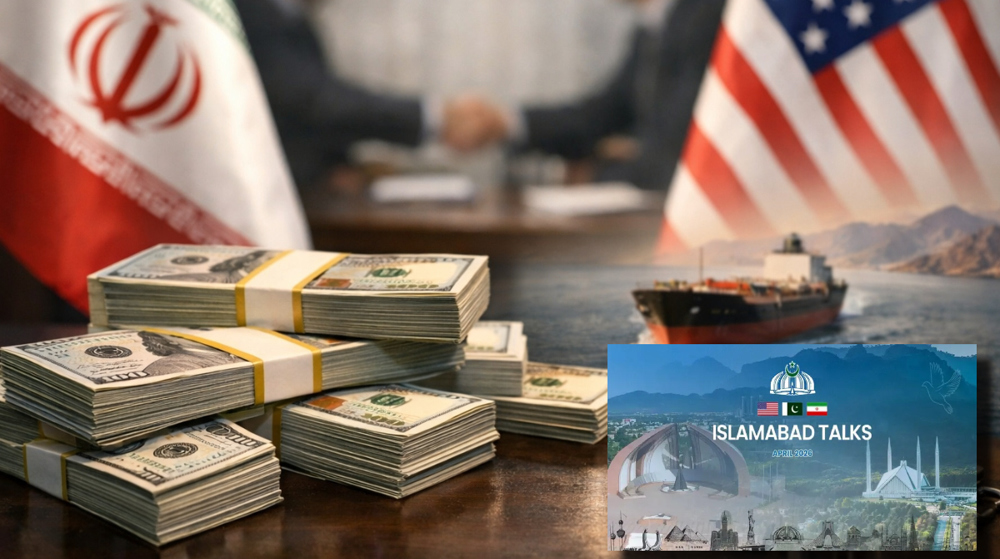
The secret sources close to the negotiation teams say that the frozen Iranian funds will not be released all at the same time because that would be too risky for the banks. Instead the agreement says that about twelve billion dollars which is exactly half of the total cash will become available as soon as both sides sign the official papers. This first part of the money will flow directly through special financial channels created in Qatar to ensure the money is spent only on approved goods. Getting access to the frozen funds is the top priority for the central bank governor who traveled with the diplomatic team to handle the technical details of the money transfer.
- Initial Payment: Twelve billion dollars will be released immediately during the first phase of the peace agreement.
- Total Target: The overall amount mentioned in the new fourteen point memorandum is twenty four billion dollars.
- Total Estimates: Some local media outlets believe the country actually has more than one hundred billion dollars locked abroad.
Past Agreements and Big Problems with the Frozen Iranian funds
This is not the first time that world leaders have argued over how to handle the frozen funds during major political crises. If you look back a few years ago a smaller deal involving six billion dollars was arranged using South Korean banks to trade for detained citizens.
However that specific package of frozen Iranian funds was quickly blocked again when violence broke out in the region and relations between Washington and Tehran fell apart completely. This bad history makes the current talks in Doha very difficult because nobody really trusts the other side to keep their promises for more than a few weeks. The diplomats have to design a very strict system so that the money does not get frozen again if another fight starts.
Read Also: Iran nuclear threat: Is the conflict really over for the world?
Why This Cash Matters So Much for Local Markets
The local population is desperately waiting for the news about the frozen Iranian funds because the domestic economy is suffering from high inflation and a weak currency. When a country cannot access its foreign reserves it becomes nearly impossible to import medicine food and spare parts for factories. Unlocking the frozen Iranian funds would instantly help the central bank stabilize the local money market and lower the prices of everyday goods for regular citizens.
However critics of the deal argue that releasing the frozen Iranian funds might give the government too much power to expand its influence across neighboring countries. They worry that the cash will not go to hospitals or schools but will instead buy more weapons and military gear for regional proxy groups. This deep fear is why western negotiators are insisting on strict monitoring rules before they let a single dollar move out of the foreign accounts. The talk about the frozen Iranian funds is essentially a giant game of poker where each side is trying to get the maximum advantage without causing the whole peace process to collapse.
Read Also: How Iran war losses may reshape Middle East future
In conclusion the fight over the frozen Iranian funds shows that money is just as important as guns when it comes to stopping a major war.
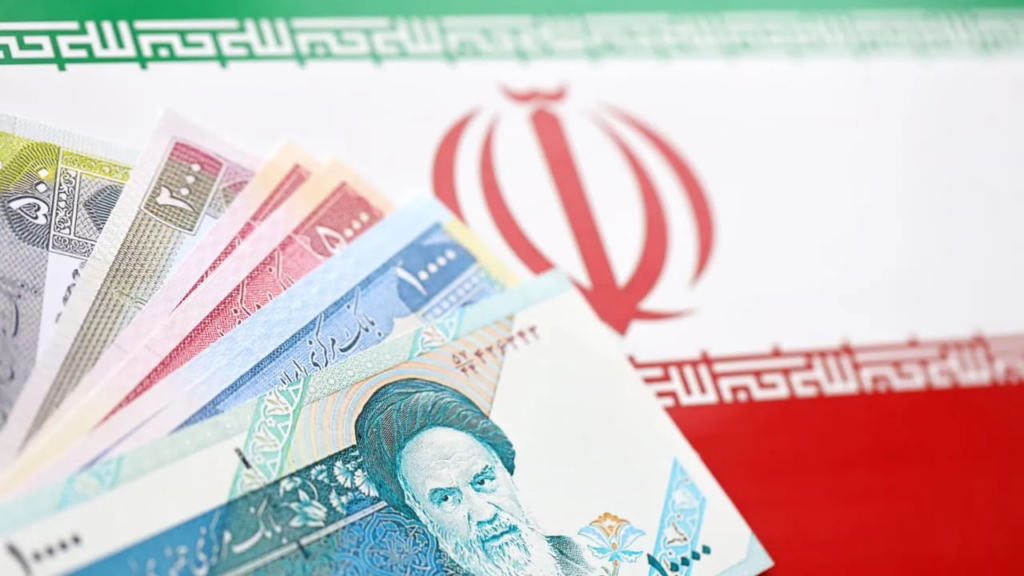
If the delegates in Qatar can successfully manage the transfer of the first twelve billion dollars it will open a path toward a long truce. But if the talks fail because of disagreements over banking rules the conflict will likely get much worse very fast. The next few days will show us if the frozen Iranian funds can buy real peace or if the region will stay stuck in danger for the rest of the year.