
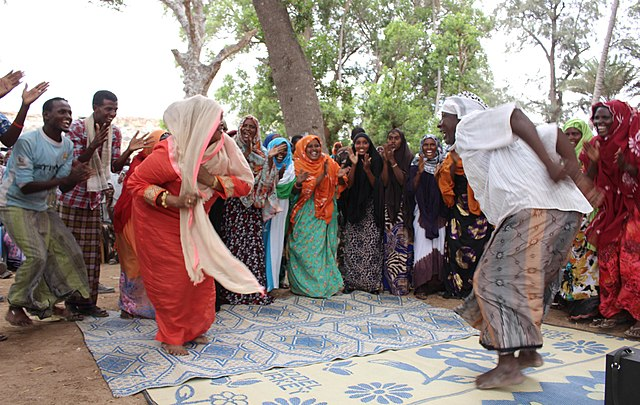
Somali holiday traditions are a super important part of life for people living in the Horn of Africa because these special days connect everyone to their rich history and faith. Throughout the year communities stop their daily work to come together cook massive plates of food and share happy moments with their neighbors.
Whether people live in big crowded cities like Mogadishu or small quiet villages in the countryside these celebrations create a strong feeling of unity and peace. Kids get very excited during these times because they receive new clothes and small gifts of money from their older relatives. Understanding these events gives you a clear window into how local people express their deep love for their beautiful culture and country.
Read Also: Why Traditional Cultural Values Still Matter in Modern Society
Celebrating Religious Events and Understanding Somali holiday traditions
When you look at the religious calendar you will see that somali holiday traditions shine brightest during major Islamic celebrations like Eid al Fitr and Eid al Adha. Eid al Fitr happens right after the holy month of Ramadan finishes and it starts with a large community prayer early in the morning on the open city grounds.
People hug each other and repeat happy blessings then they head home to start a huge feast with sweet biscuits halwa and spiced meat dishes. Following these somali holiday traditions means that wealthy families must share a good portion of their food and money with poor people so that nobody feels left out or hungry during the festival.
- Eid al Adha: Families sacrifice a goat or a sheep to remember holy stories and they distribute the meat evenly among relatives and needy neighbors.
- New Outfits: Parents save up money for months just to buy colorful new dresses for their daughters and smart shirts for their young boys.
- Family Visits: People spend days walking from house to house to greet distant aunts uncles and cousins they have not seen in a long time.
How National Days and Somali holiday traditions Remember History
National events are another huge area where somali holiday traditions show the deep patriotism of the local citizens. The most famous national days happen in the summer specifically on June twenty sixth and July first when people celebrate their hard won freedom from old colonial rule.
During these historic milestones the streets get decorated with beautiful blue and white flags and large crowds gather in public squares to watch military parades.
Read Also: Why is Somali language heritage so unique in the Horn of Africa?
Musicians play traditional songs on loud speakers and young people perform cultural dances to remember the brave heroes who fought to build a free independent nation years ago.
This strong sense of love for the country means that even people who left home to live in Europe or America still practice somali holiday traditions every single year.
They organize big community festivals in foreign cities so their children do not forget their roots and language. These global gatherings prove that somali holiday traditions are powerful enough to keep a community connected no matter how many thousands of miles separate them from their original homeland.
The Role of Traditional Poetry and Sharing Large Meals
You cannot talk about somali holiday traditions without mentioning the beautiful poetry and storytelling that happens during every single major party. Elders gather the young kids around the evening fire or in the living room to recite famous poems that tell stories of bravery generosity and history.
This oral culture is a massive part of somali holiday traditions because it keeps the ancient language alive and teaches the youth good manners and moral values. After the long speeches are finished everyone sits on the floor together around huge wooden plates to eat delicious banana and rice dishes.
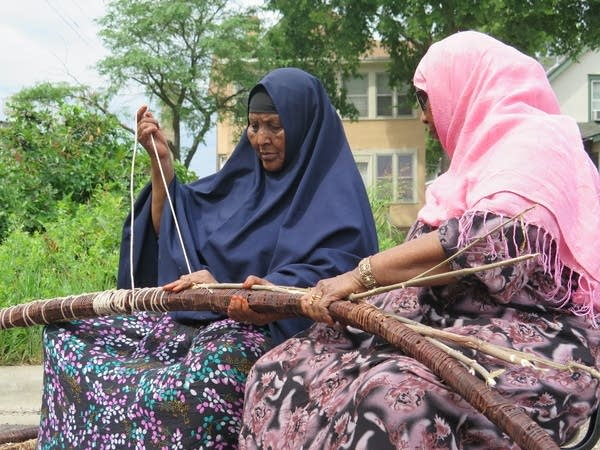
In conclusion we can see that continuing to practice these somali holiday traditions helps people stay happy and hopeful even during very difficult political or economic times.
Read Also: How do Somali women save their culture and traditions?
These festivals teach everyone that taking care of your family and helping your poor neighbors is the most valuable thing in life. By praying together sharing meat and waving the national flag the community keeps its unique spirit alive for the next generation.
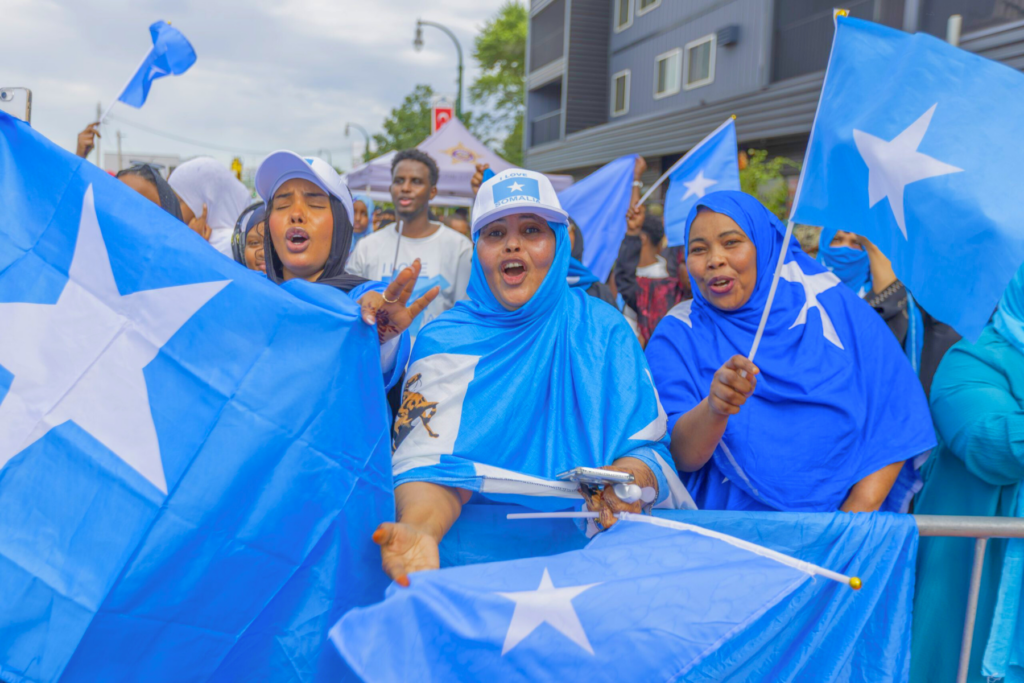
It is a beautiful duty for every single person to protect these somali holiday traditions so that the nation stays strong and united for many centuries to come.