



Future job skills are becoming very important for students everywhere in the world right now because traditional education does not always prepare young people for real careers after graduation. Modern companies are changing very quickly due to new technology and automation which means that schools must update what they teach every year. When students learn outdated information in their classrooms they find it very hard to get good jobs when they finish their studies. Teachers and school directors know that bringing practical knowledge into the classroom helps students build confidence and gain hands on experience before they step into the real world. Many experts agree that updating school programs is the best way to make sure young workers are ready for modern offices and factories.

Read Also: 7 Factors Behind Low Somalia School Enrollment
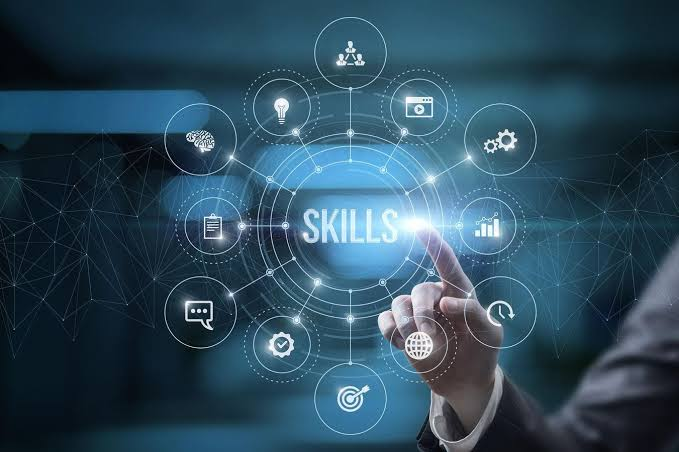
- Future job skills development through modern classroom technology helps students learn how to search for information efficiently and solve complex problems using digital tools that top companies use every day
- Hands on practical work experience gives young people the actual abilities that hiring managers look for during job interviews instead of just focusing on memorizing facts from old textbooks
- Strong company partnerships allow business leaders to visit schools and explain exactly what abilities are needed in their organizations so lesson plans stay updated with market demands
- Soft skills like communication and teamwork prepare students to share ideas politely and resolve workplace disagreements constructively as they grow into leadership roles
- Technical vocational workshops in areas like coding design or medical care ensure that every type of learner gains valuable future job skills that lead to high paying career opportunities
Future Job Skills: Why traditional education fails to prepare students for real careers
Many older school programs focus heavily on reading textbooks and memorizing facts for final exams rather than solving real life problems. This old approach leaves many graduates without the actual abilities that hiring managers look for during job interviews today. When young people start their first jobs they often realize that they do not know how to use professional software or work effectively inside a team. This gap between classroom learning and office reality causes stress for both young workers and the managers who hire them. Updating lessons to include practical work helps bridge this gap so students feel prepared from their very first day on the job.
Read Also: Special education growth in Somalia: What can help?
How technology integration transforms classroom learning experiences
Bringing new tools like computers and coding software into daily lessons helps students build future job skills that are in high demand today. When classrooms use modern tools students learn how to search for information efficiently and solve complex problems on their own. Technology also allows teachers to create interactive projects where students build real products instead of just writing essays. This hands on practice makes learning much more exciting and helps students remember what they learn for a much longer time. Schools that invest in modern digital tools give their students a huge advantage when they enter the competitive job market later.
Future Job Skills: Why critical thinking and problem solving matter more than memorization
In the modern world having access to information is very easy because anyone can look up facts on the internet in a few seconds. Because of this fact employers care much less about what students can memorize and much more about how they analyze information to make smart decisions. Teaching students how to think critically helps them handle unexpected challenges when they are at work. When school projects encourage students to ask questions and test different solutions they learn how to handle difficult situations calmly. Developing future job skills like creative problem solving prepares students for positions that might not even exist yet today.
Future job skills development through strong company partnerships
Another great way to improve education is by building strong connections between schools and local businesses in the community. When business leaders visit schools and talk to students they can explain exactly what abilities are needed in their companies right now. Companies can also offer short internships where students visit real workplaces and see how professionals do their jobs every day. This real world exposure helps students understand why their lessons matter and gives them a clear goal to work toward. Schools that partner with local companies can update their lesson plans much faster to match changing market needs.
Why soft skills and teamwork are essential for career growth
Technical knowledge is very useful but personal habits like communication and teamwork are just as important for building a successful career. Many employers report that young workers struggle with writing professional emails or speaking clearly during business meetings. Schools need to include group projects and public speaking tasks so students practice working with different types of people. When students learn how to share ideas politely and resolve disagreements constructively they become much better teammates. Learning these interpersonal abilities early makes it much easier to grow into leadership roles in the future.
How practical training programs create better employment opportunities
Including vocational training and technical workshops alongside regular academic subjects helps every type of learner succeed. Not every student wants to go to a four year university and many high paying careers require specialized technical training instead. When schools offer courses in areas like electricity graphic design or medical care students can choose pathways that fit their personal interests. This variety keeps students engaged and reduces dropout rates because everyone sees a clear path toward a good career. Offering diverse training options ensures that every graduate has a valuable set of future job skills to offer to local employers.
Why continuous learning habits lead to long term career stability
The job market will keep changing fast throughout our lives so learning cannot stop once a student receives a diploma or degree. Teaching young people how to teach themselves new things is perhaps the most valuable lesson a school can offer. When students develop curiosity and self discipline they feel confident learning new tools whenever their job duties change in the future. Workers who adapt quickly to new trends stay valuable to their companies and rarely worry about losing their positions. Building strong future job skills ensures that workers remain flexible and successful no matter how technology evolves over the coming decades.
How communities benefit when schools align with market demand
When educational institutions teach future job skills effectively the entire local economy grows stronger and more stable over time. Businesses can expand faster because they easily find qualified local workers without needing to hire people from far away places. At the same time young adults earn better salaries which allows them to support their families and invest back into their local towns. This positive cycle creates safer neighborhoods stronger local businesses and better living standards for everyone in the community. Investing in modern education is truly an investment in the overall prosperity of society.
Read Also: Why is adult literacy growth so vital for building a better Somalia

Future Job Skills: What parents and educators can do to support young learners
Parents and teachers must work together to encourage young people to explore new interests and build practical abilities every day. Parents can talk to their children about different careers and help them find hobbies that build useful technical or creative abilities at home. Teachers can keep updating their own teaching methods by attending training workshops and learning about new workplace trends regularly. When adults show enthusiasm for learning new things children naturally follow that positive example and take their own education more seriously. Supporting students as they develop future job skills gives them the best possible foundation for a happy and successful adult life.