

Somali languages diversity is a topic that many people discover when they look at the horn of africa and its rich history Somali languages diversity shows how different groups moved around the region traded with neighbors across the sea and built unique communities over many centuries when you study the way people speak across the country you realize that there is not just one simple way of talking in daily life instead you find different dialects and regional speeches that reflect centuries of culture and contact with outside traders like arabs persians and europeans who visited the coast to buy spices and goods.
Read Also: What is Somali Women Poetry?
Somali languages diversity and the main regional spoken dialects
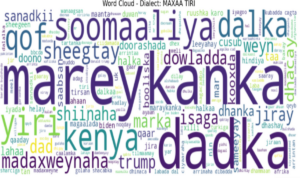
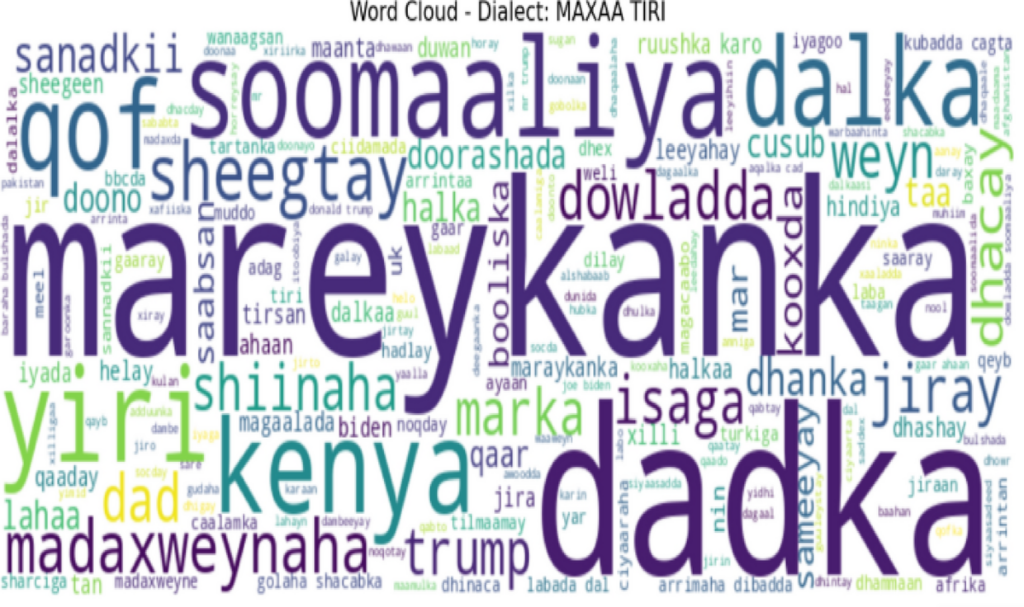
The main language spoken by almost everyone is somali which belongs to the cushitic family of languages but it is divided into several main dialect groups that sound quite different from each other the standard dialect known as maha tiri is used in official government news radio broadcasts and schools across most areas especially in the north and center another major dialect called maay is spoken mostly in the southern river regions between the jubba and shabelle rivers people who speak maay and those who speak maha tiri sometimes find it tricky to understand every single word without some practice because the vocabulary and grammar rules have noticeable differences.
Somali Languages Diversity: How history and foreign trade shaped local speech styles
Throughout history trading ships from Arabia Persia and India came to port cities like mogadishu berbera and brava to trade goods with local merchants these regular business meetings brought many foreign words into daily speech over time you can find hundreds of arabic loanwords related to religion business math and traditional food in everyday conversations in southern coastal towns like brava people even developed unique mixed dialects like chimwiini which blends somali with swahili and arabic elements showing how open the coastal communities were to neighboring cultures.
Read Also: Buolo Burde town is it growing fast today?
Colonial rule and modern education in the nation
During the late nineteenth and twentieth centuries foreign powers like Britain and Italy controlled different parts of the territory Italian became popular in the south for administration and schooling while English took root in the northern areas even today older generations or educated professionals might use words borrowed from Italian or English when talking about cars technology modern laws or government offices however in nineteen seventy two the government took a major step by introducing a formal written alphabet using latin letters which helped unite literacy efforts across schools and offices everywhere
Somali Languages Diversity: Preserving oral traditions and local stories for the future
Somalia is famous for being a land of poets because poetry and oral story telling are deeply rooted in everyday life people use poems to share news settle disputes between communities tell love stories and pass down historic events to children despite modern changes and migration many people work hard to keep their regional dialects alive through traditional songs poems and family gatherings this rich linguistic mix reminds everyone that behind every dialect lies a piece of local heritage that deserves to be celebrated and remembered by future generations.
Read Also: Somali culture guide: What makes it unique?
Somali Languages Diversity: Why understanding local speech matters for everyone today
Learning about the different ways people talk across the country helps us appreciate how connected and diverse the culture really is Somali languages diversity proves that speech is more than just words used to talk to friends it is a living map of trade travel migration and community pride by keeping these different dialects active people honor their ancestors while building stronger connections with each other across different regions.