
Education in Somalia was different back in the day before all the trouble started. People learned from elders telling stories and teaching skills for living as nomads or in clans. Then came schools during colonial times but they weren’t many. After independence in 1960 things picked up especially in the 1970s when they made Somali the main language for teaching and built lots of schools. Somali education felt like it was growing strong with literacy campaigns reaching folks everywhere.
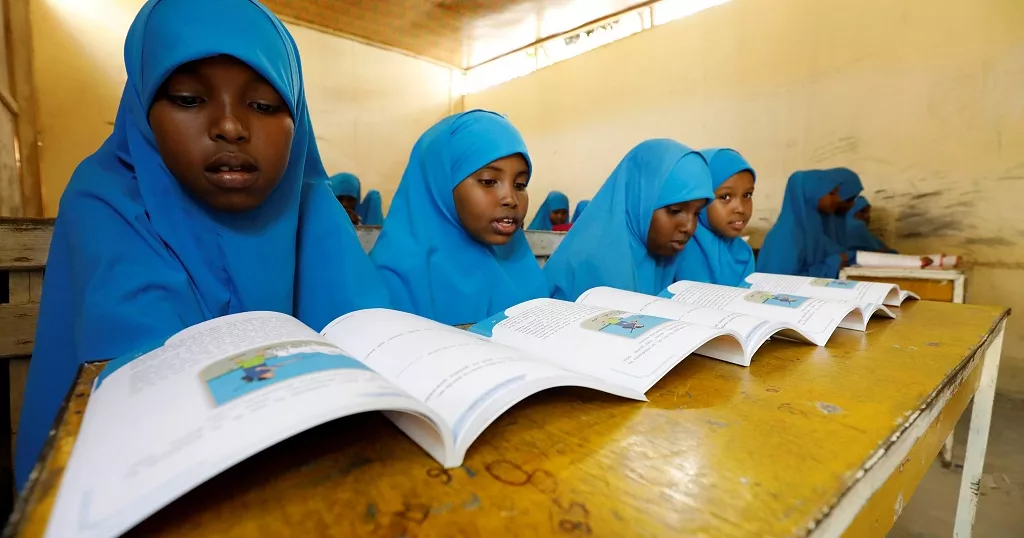
But everything changed with the civil war in 1991. Schools got destroyed teachers left or worse and kids stopped going to class. Somali education basically fell apart no central system no records left. Families worried more about safety than books. In some areas like Somaliland and Puntland they started rebuilding quicker with public schools but in the south it was chaos for years.

The Fall of Education in Somalia During War
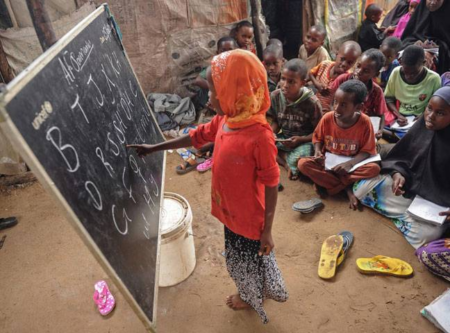
The war hit hard on Somali education. Before 1991 there were around 600 primary schools but fighting wrecked most of them. Teachers fled the country or switched jobs to survive. Kids especially girls stayed home helping families or just because it wasn’t safe. Education in Somalia turned into whatever people could manage like Quranic schools that kept going because they were simple and community run.
No government meant no rules. Different groups used books from Kenya or Arab countries mixing everything up. Over 40 different curricula popped up. Education in Somalia lost its unity and quality dropped low. Many kids grew up without basic reading or math skills leading to low literacy rates around 24 percent back then but it got worse during the fighting.
Parents wanted kids to learn religion so madrasas stayed popular. But formal Education in Somalia almost vanished in big parts of the country. International help tried but conflict made it tough to reach everyone.
Rebuilding Education in Somalia After Conflict
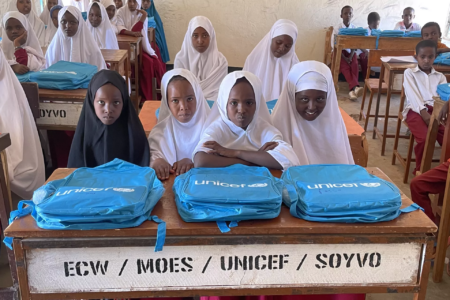
Slowly things turned around. Private schools opened first run by communities or diaspora money. By 2007 primary schools jumped to over 1100 more than before the war in some counts. Education in Somaliastarted coming back with help from UNICEF and others training teachers and fixing buildings.
In 2012 a new federal government made rebuilding Somali education a priority. They brought back a national curriculum in Somali language printed millions of books. Exams standardized again with numbers growing from thousands to tens of thousands by 2025. Education in Somalia got free primary in places like Puntland and Somaliland.

But challenges stick around. Enrollment is low maybe 30 percent for primary and way less for secondary. Over three million kids still out of school because of poverty drought displacement or Al-Shabaab in some areas. Somali education struggles with unqualified teachers crowded classes and gender gaps where boys go more than girls.
Current State of Somali Education
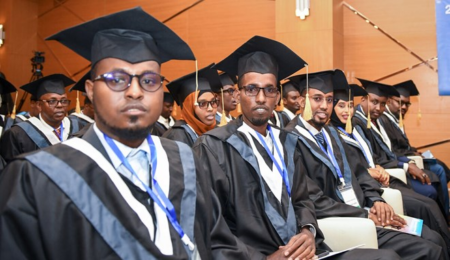
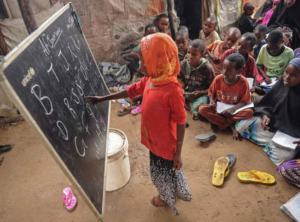
Today Somali education mixes public private and religious schools. Universities mostly private popped up in cities like Mogadishu. Government pays some teacher salaries from its own budget now a big step. Programs reach nomads with mobile schools or radio lessons.
Literacy improved a bit to around 40-50 percent but still low compared to neighbors. Girls face extra hurdles like early marriage or safety issues. Somali education gets support from global partners aiming for 50 percent enrollment soon.
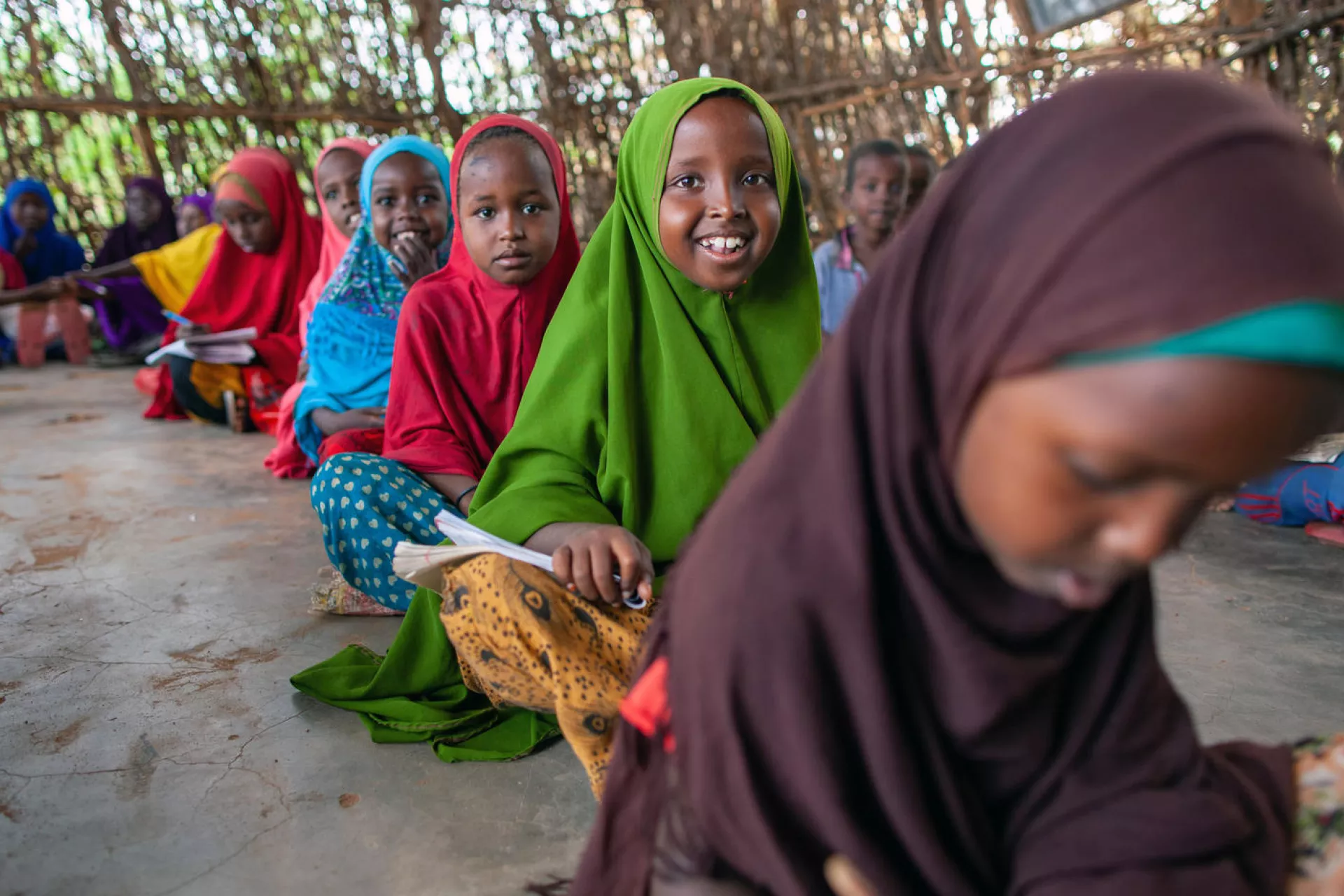
Folks see hope in the progress. More kids in class especially where security better. But drought and fighting still disrupt. Communities push hard because they know Somali education is key to peace and jobs.
Read Also: Late School Enrollment: 6 Heartbreaking Reasons Somali Kids Are Left Behind
In the end the journey shows toughness. From strong growth pre-war to total breakdown then slow rebuild. Somali education carries scars but people keep working on it one school at a time hoping for brighter days.
Lots of young Somalis dream big now with better chances. Diaspora sends money and ideas back. The system ain’t perfect but it’s moving forward step by step.