



Toddler food habits are something that almost every single parent struggles with at some point. One day your little child loves eating bananas and the very next day they refuse to even touch them. This sudden change can make you feel super stressed out and worried that your baby is not getting enough nutrition to grow big and strong.
You might spend hours cooking a beautiful healthy meal only for your toddler to throw it on the floor or scream until you take it away. It is important to know that this behavior is completely normal for young children who are trying to explore their world. When we look closely at how children grow we can see that toddler food habits change naturally because their bodies are not growing as fast as they did during their first year of life.
Read Also: How Oral Weight Loss Meds Transform Weight Loss in 2026
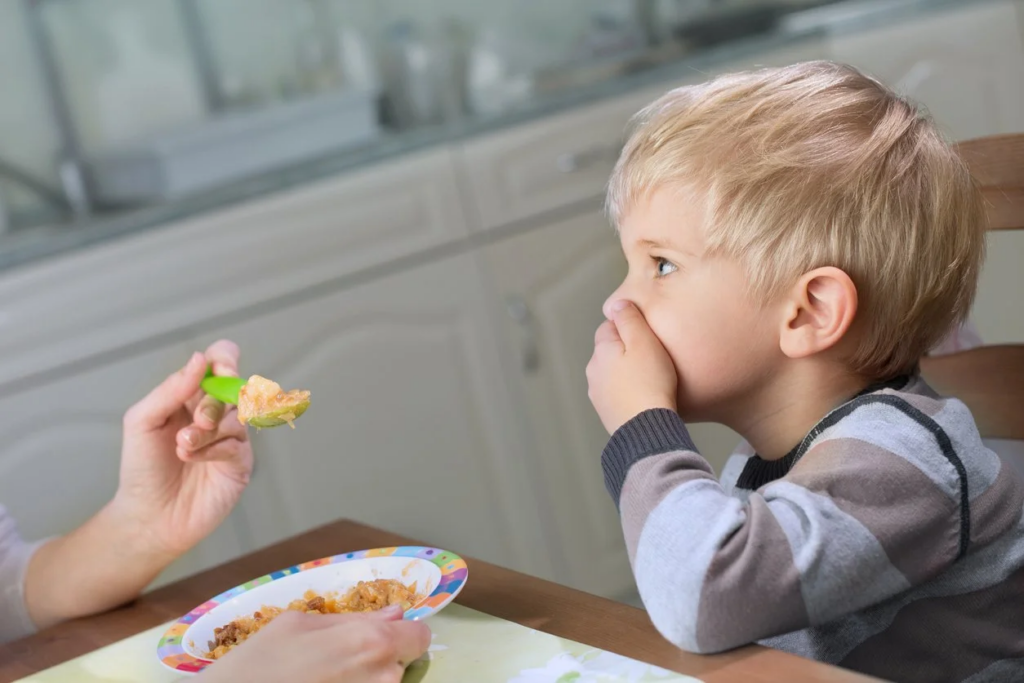
Why Young Kids Suddenly Start Refusing Their Meals
There are many reasons why a small child might stop eating their normal dinner or breakfast. The first thing to remember is that a child has a very tiny stomach that is only about the size of their fist so they do not need huge plates of food to feel full.
- Growing Stops a Bit: After their first birthday kids do not gain weight as fast as before so they naturally need less energy.
- They Want Control: Toddlers are realizing they are independent people and saying no to food is an easy way for them to show power.
- Too Tired or Distracted: If a kid is playing with toys or feels sleepy they will not want to sit at a table for twenty minutes.
When a mother tries to force her child to clean the plate it usually backfires and makes the problem worse. This pressure creates a lot of negative energy around the kitchen table which makes toddler food habits even more difficult to manage.
Instead of fighting with your kid it is much better to relax and let them decide how much they want to put in their mouth.
Read Also: Chronic Stress Effects on Mental and Physical Health
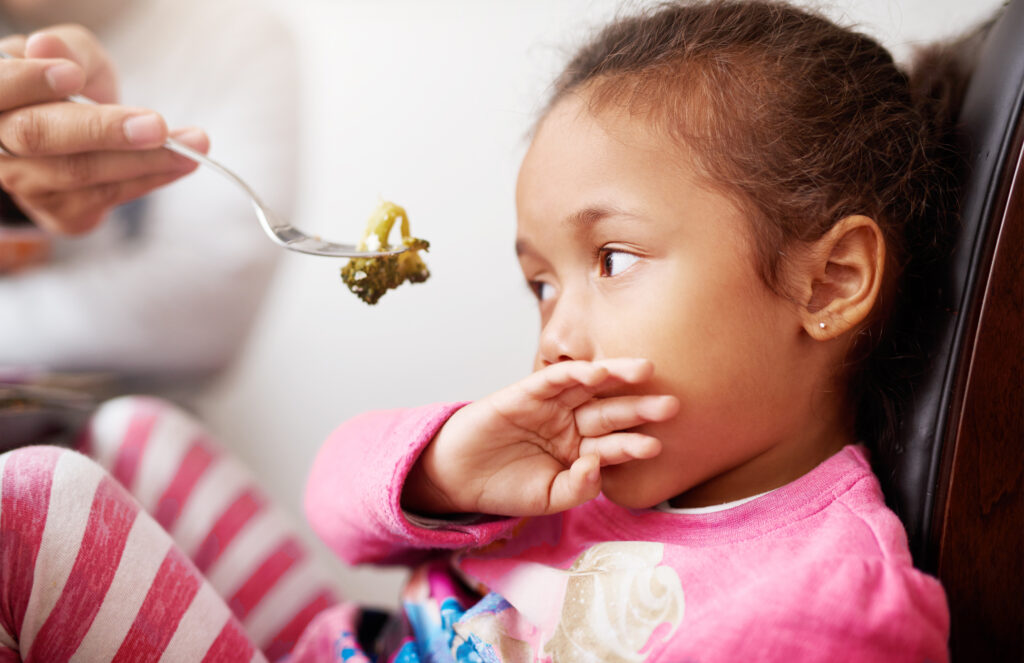
Simple Tricks to Improve Toddler Food Habits Without Stress
You do not need to be a professional chef to get your little one to enjoy their breakfast and lunch. Small changes in your daily routine can make a massive difference in how your child views their plate.
First try to offer small snacks throughout the day instead of three massive meals. A toddler prefers grazing on tiny portions like cheese slices apple bits or a few crackers because it does not feel overwhelming to them.
Another great trick is to make the meals look fun by cutting sandwiches into star shapes or arranging veggies to look like a happy face. When you change the presentation you can slowly shift bad toddler food habits into positive experiences that the child actually looks forward to every afternoon.
- Limit Juice and Milk: Drinking too much liquid before dinner fills up their tiny bellies so they will not want real food.
- Eat Together as a Family: Kids love to copy what their parents do so if they see you eating broccoli they will eventually want to try it too.
- Keep Trying New Things: Sometimes a child needs to see a new veggie ten times before they finally become brave enough to taste it.
When Should You Actually Call a Doctor
Most of the time a child who seems picky is still getting plenty of energy to run around and play all day long. Their bodies are very good at regulating how much fuel they need over a whole week rather than a single day.
However you should definitely talk to a pediatrician if your child is losing weight turning completely pale or seems too tired to play. If your doctor says their height and weight are moving up perfectly on the growth chart then you can breathe a big sigh of relief.
This medical reassurance proves that your current toddler food habits are actually working fine and your baby is not starving at all.
Creating a Peaceful Kitchen Environment for the Future
In the end the best thing you can do for your picky eater is to stay calm and patient during dinner time. Screaming or begging your child to take one more bite will only make them hate sitting at the table even more.
Read Also: How Do Family Eid Gatherings Support Mental Well-being?
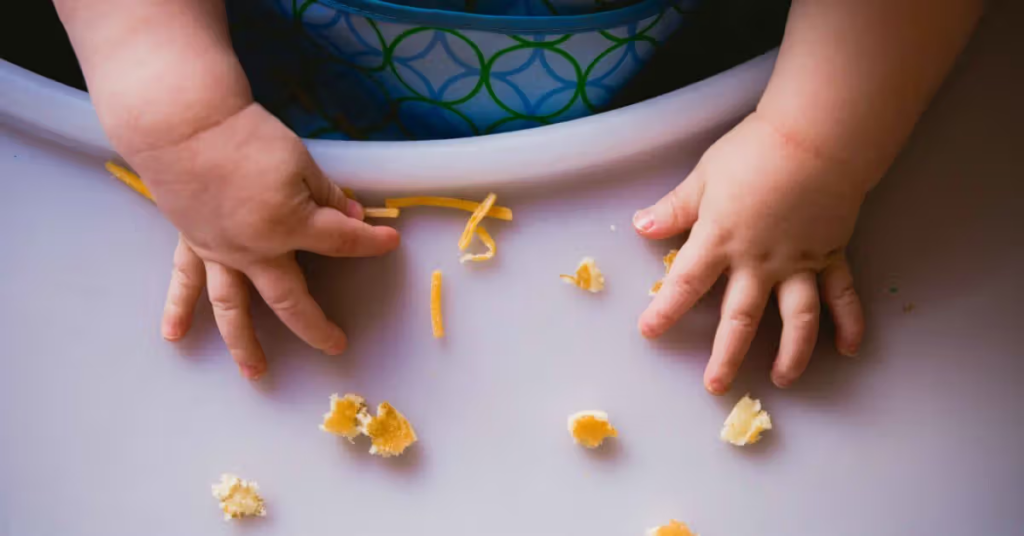
By offering healthy options and letting the kid control their own appetite you are building a good relationship with nutrition that will last their entire life.
Trust that your child will eat when they are truly hungry and remember that this difficult phase will pass soon. With some time and consistency those tricky toddler food habits will improve and your family meals will become peaceful and happy once again.