


Low sunlight risk is something that many modern workers and students face today because they spend almost all their time inside big buildings under fake lights. Many people think they are staying safe and comfortable away from the hot weather outside but they do not realize what happens to their health over time. Our bodies actually need natural light from the sky to function properly and maintain a strong immune system each day. This habit of hiding from the sun can create a lot of hidden health problems that grow slowly until you start feeling sick tired and weak without knowing the true cause.
Read Also: Foodborne illness risk: How to stay safe from unsafe meals?
The immediate dangers of a low sunlight risk on your body
When you live with a low sunlight risk for a few months the first major problem your body faces is a lack of vitamin D. Your skin needs direct contact with natural rays to create this vital vitamin which helps your bones absorb calcium and stay strong. This specific low sunlight effects means your bones will become fragile and you might start feeling deep aches in your back and legs quite often. Young kids who do not play outside enough can develop weak skeletons while older people can easily break a bone just from a simple fall inside the house.
Another big issue is that your muscles need this vitamin to work smoothly and stay full of energy throughout a busy working day. If you keep a low sunlight effects you will notice that you feel physically exhausted even if you did not do any heavy lifting or exercise. Your immune system also slows down completely which means you will catch a cold or a flu much more easily than people who spend time outdoors. The body loses its natural armor against basic germs when it does not get its regular dose of fresh air and natural brightness.
Read Also: Why is Antibiotic Resistance Growing?
How low sunlight risk ruins your sleep and mood
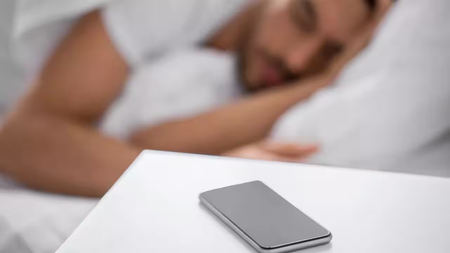
Many people suffer from terrible sleep patterns simply because of a low sunlight effects during their normal daytime hours. Your brain relies heavily on the bright morning sun to understand when it is time to be awake and when it is time to sleep at night. This low sunlight effects confuses your inner body clock making you feel super sleepy during the afternoon but completely awake when you lie down in bed. This constant lack of deep sleep leaves you feeling angry annoyed and unable to focus on your daily tasks or school lessons.
Long term effects of a low sunlight risk lifestyle
If you ignore this low sunlight risk for many years the damage can become much more serious and affect your heart and mental stability. Doctors have found that people who stay in the dark too much have a higher chance of developing high blood pressure and other cardiovascular problems. This continuous low sunlight risk also causes a type of deep sadness because your brain stops producing enough happy chemicals like serotonin when it lacks light. It is not just a small feeling of being bored but it can turn into a serious mental weight that makes life feel very difficult.
To avoid these dangers you do not need to sit under the scorching sun for hours or get a painful sunburn on your skin. Just spending fifteen or twenty minutes sitting on a balcony or walking in a local park every morning can completely remove the low sunlight risk from your life. It is a very easy and free fix that can give you more energy clearer thoughts and a much better mood than drinking multiple cups of coffee.
Read Also: Cancer early check: Can simple habits save your life?
Keeping a low sunlight risk by staying locked in dark rooms is a bad habit that will eventually break your physical health and happiness. It is very important to make a small change in your daily routine by stepping outside to catch the early morning rays whenever you can. Your body will thank you by giving you stronger bones a happier mind and a much better sleep every single night. Do not wait until you feel completely sick and depressed to change your lifestyle because a healthy life always requires a little bit of natural light.