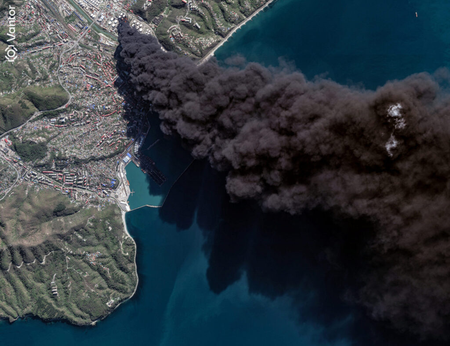



Red Sea escalation threat is growing once again as new warnings disrupt the quiet waters of the Bab el Mandeb strait. Local groups in Yemen have recently declared that they will widen their attacks on water routes to target ships linked to regional ports. This sudden news has brought back serious worries for global trade leaders and energy markets around the world. The whole situation is closely tied to rising tension between the United States and Iran. Ships that had recently returned to shorter sea routes through the Suez Canal are now facing fresh doubts. Everyone is watching closely because a long Red Sea escalation threat could push transport prices up and force companies to take longer paths around Africa.
Read Also: US Iran Conflict: Why Region Faces Escalation?
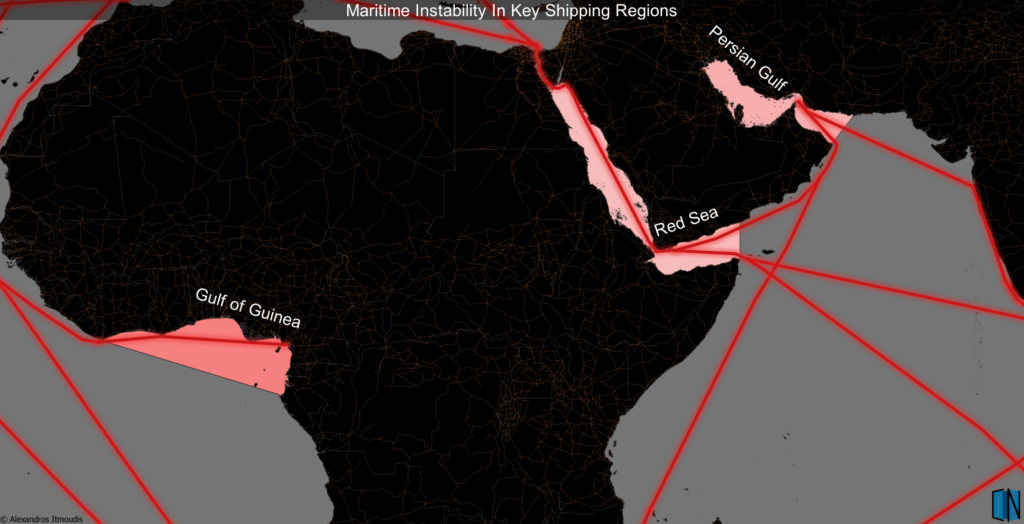
Red Sea escalation threat impact on trade
When we look at how this Red Sea escalation threat affects global business the primary concern is shipping costs and insurance. Ships carry oil fuel and everyday goods through these narrow waters every single hour of the day.
- Major shipping lines may stop using the shorter route through the canal
- Insurance prices for cargo vessels going through the area will rise fast
- Energy markets could face delays in delivering oil to European nations
Military experts point out that the group now has lower power than before due to international naval patrols. However even a minor Red Sea escalation threat causes massive panic among commercial ship owners. Nobody wants to risk losing a ship or cargo in open waters when military tension is so high.
Links between regional groups and Iran
Many political analysts believe this renewed Red Sea escalation threat is not just about local fights anymore. Instead it shows how local forces are acting as a proxy for bigger regional powers during high tension negotiations. Iran is using its political leverage in the region to pressure western countries through sea trade lines.
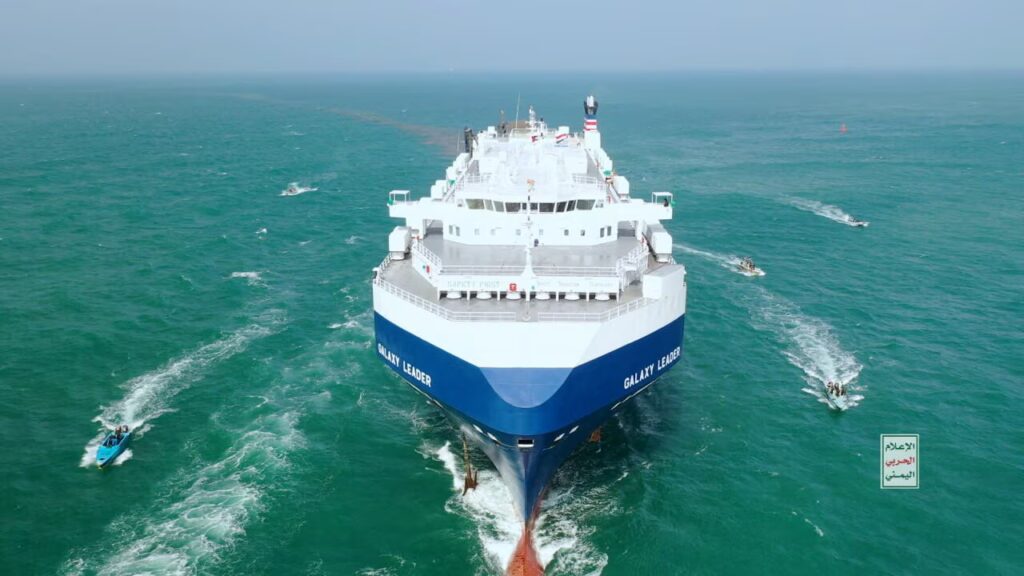
Even though naval forces from Europe and America have destroyed many weapons facilities the group still manages to launch occasional strikes. This persistent Sea escalation threat allows regional leaders to keep their power in geopolitical talks. They use the threat to distract from internal troubles and show strength to their supporters.
Read Also: Can Trump Enforce a Strait of Hormuz Toll?
However experts say this tactic might backfire if international powers respond with stronger direct strikes. Playing with global trade routes is a dangerous game that pisses off many powerful nations at once.
What lies ahead for maritime security
The future of shipping in the region remains uncertain as naval fleets continue to guard key waterways. The current Red Sea escalation threat makes it clear that peace in these waters will take a long time to achieve fully.
Naval forces have extended their missions to guard merchant ships until early next year. They hope that constant patrols will stop attacks before they can hit commercial vessels. But as long as political tension between major nations continues the overall Red Sea escalation threat will hang over global commerce like a heavy shadow.
Read Also: Iran Missile Attacks Raise Hormuz Shipping Risks
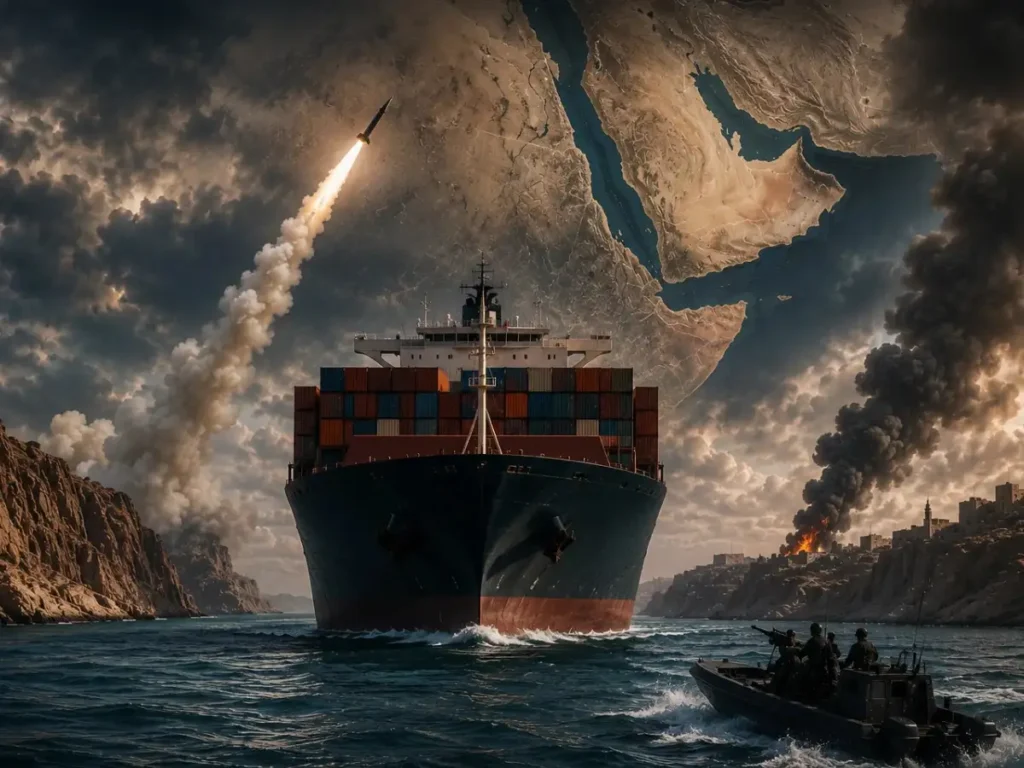
Everyday consumers might feel the effect soon through higher prices for imported items and fuel at gas stations. The world relies heavily on open ocean roads and keeping them safe is vital for everyone.
In conclusion the world community must find a way to secure these vital waters for good. A continuous Red Sea escalation threat only hurts normal people and slows down global business for every country involved.