


The influence of Somali food culture is a fascinating mix of local traditions and foreign flavors that have traveled across the Indian Ocean for centuries. When you look at a plate of Somali food you are not just seeing a meal but you are seeing a history of trade and travel. The food culture has been shaped deeply by its neighbors specifically the Arab world and India which brought new spices and cooking methods to the Horn of Africa. You can see these touches in almost every dish from the breakfast flatbreads to the spiced rice served at dinner time.
Read Also: How Do Somali Wedding Traditions Bring Families Together?
The Arab Connection to Somali food culture
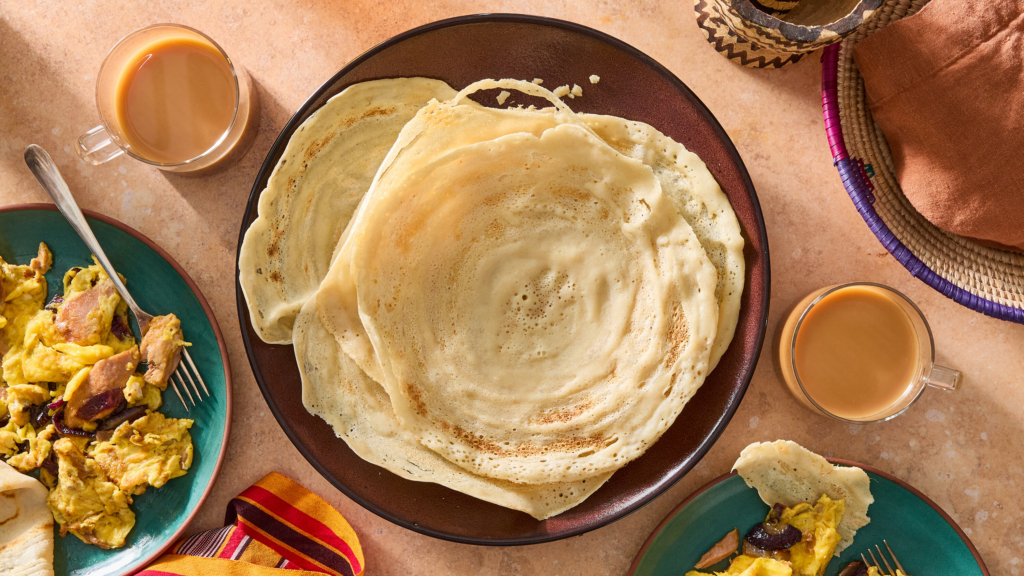
The relationship between Somalia and the Arab world goes back over a thousand years because of the close proximity across the Gulf of Aden. Arab traders brought ingredients like dates and raisins and various types of bread that became staples in the region. One of the most famous examples is the Muufo which is a clay oven bread that is very similar to what you might find in parts of Yemen or Oman. Also the way Somalis enjoy tea which is often brewed with cloves and cardamom and lots of sugar is a direct reflection of food culture being influenced by Arab hospitality.
Another major impact is seen in the meat dishes because Somalis like Arabs value goat and camel meat very highly. The use of garlic and onions and cumin in stews shows a clear link to Middle Eastern pallets. Even the way meals are shared on large communal platters is a tradition that reinforces the Somali food culture and its roots in Islamic and Arab social customs. It is about more than just the taste it is about the way people sit together and break bread as a community.
Read Also: The somali social customs and their deep meaning
The Indian Spice Trade and Somali food culture
While the Arabs brought the structure of the meals the Indians brought the heat and the aromatic complexity. During the era of British and Italian colonization many Indian workers and merchants moved through East Africa and they brought their spice boxes with them. This is why Somali culture relies so heavily on Xawaash which is a spice blend very similar to Garam Masala. It contains toasted cumin and coriander and turmeric and black pepper and cloves. Without these Indian spices Somali food would lose its soul and its distinct golden color.
One of the most popular items in Somalia is the Sambuusa which is clearly a cousin of the Indian Samosa. It is a fried pastry filled with spiced meat or lentils and it is the ultimate snack. Even the love for Basmati rice which is the center of the Somali lunch known as Bariis Iskukaris comes from the trade routes with the Indian subcontinent. The Somali food culture took these foreign ideas and made them local by adding things like dried lime or local peppers to suit the African taste.
How Somali food culture stands alone
Even with all these outside influences the locals managed to keep their own identity within the Somali food culture by using what the land provides. For example the use of camel milk and the focus on Canjeero which is a sourdough pancake slightly different from the Ethiopian Injera shows a local touch. The way people eat pasta is also a unique legacy of Italian influence but even the pasta is seasoned with those same Arab and Indian spices making it something totally different from what you would find in Rome.
Read Also: Somali Cultural Identity: 7 Ways Migration Is Changing It
Today if you go to a Somali restaurant in London or Minneapolis or Mogadishu you will smell that specific blend of history. The Somali food culture is a bridge between three different worlds and it shows that food is never static. It is always moving and changing and taking the best parts of other cultures to make something new. When you taste the ginger in the tea or the cardamom in the rice you are tasting the Somali food culture and its incredible journey through time and across the sea. It is a beautiful example of how people can be connected through a single pot of food.