
Somali literacy progress is something that many local communities and international groups are trying to improve right now. The country has a very rich history of storytelling and poetry but learning how to read and write in a formal school has been very difficult for decades. Decades of civil conflict and political instability destroyed the schooling system completely which left millions of people illiterate. Today there is a fresh push from young people and local organizations to change this sad reality and help the nation move forward into a brighter future.
Read Also: 8 Education Problems in Somalia You Need to Know
The Positive Steps Made in Somali Literacy Progress
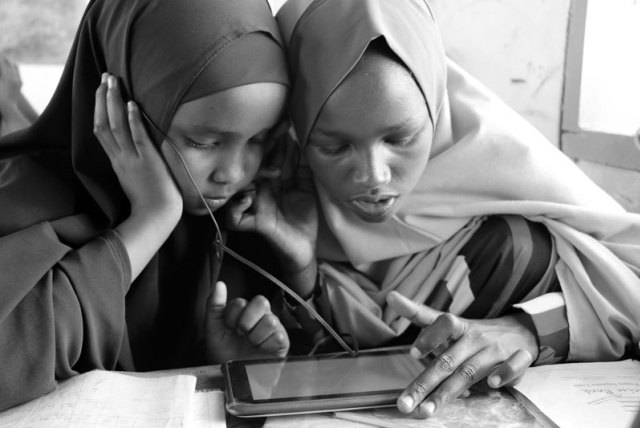
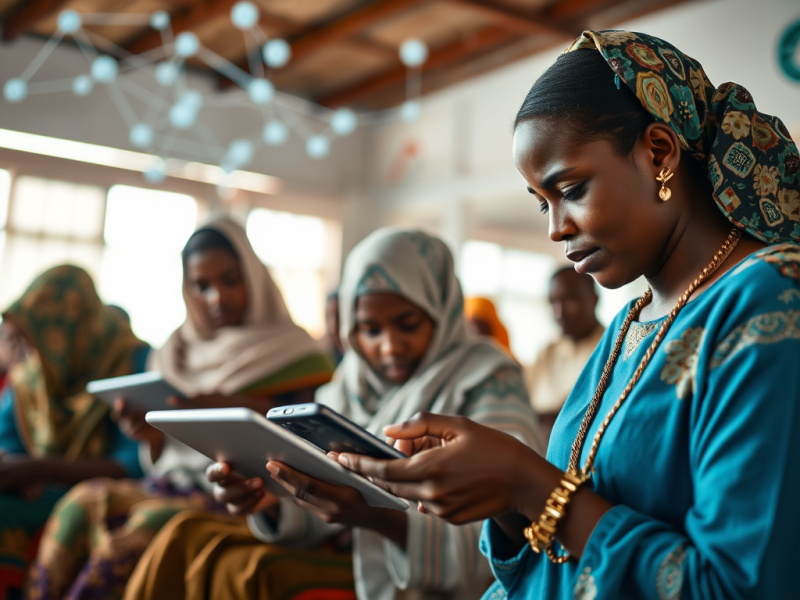
When we talk about Somali literacy progress we can see some beautiful changes happening in big cities like Mogadishu and Hargeisa. Many private universities and schools are opening up and young students are rushing to join them. Young volunteers are also organizing small reading clubs and free night classes for adults who never had the chance to go to school when they were children. This community spirit is helping many mothers and small business owners learn how to count money and read basic signs which changes their daily life completely.
Read Also: Somalia Youth Jobs How Education Can Reduce Unemployment
Furthermore the government is trying to print new textbooks in the Somali language to make learning easier for small children. In the past schools used books from different foreign countries which confused the students a lot. By creating a unified national curriculum educators are making a big step in Somali literacy progress. More children are now able to read their own national language fluently before they reach high school which is a huge victory for the local communities.
- Free night classes organized by young volunteers for adult learners in cities
- New unified textbooks printed in the native Somali language for primary schools
- The opening of modern private schools and universities in safe urban areas
The Huge Roadblocks Facing Somali Literacy Progress
Despite these great achievements the roadblocks facing Somali literacy progress are still very huge in the countryside. The biggest problem is poverty because most families cannot afford the monthly school fees. Since the government does not have enough money to build free public schools for every child parents have to pay out of their own pockets. If a family has a little money they will usually choose to send their boys to school and keep their girls at home to do house work which hurts the overall literacy rates.
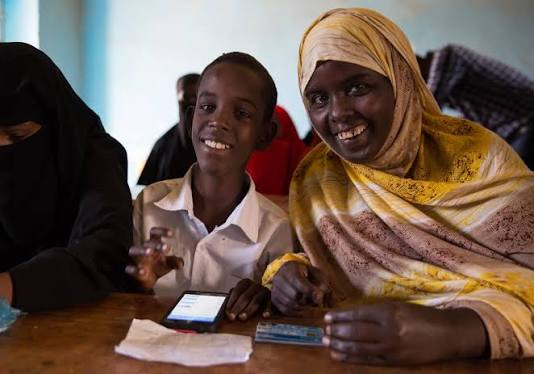
Another massive challenge is the nomadic lifestyle of a huge part of the population. Many families move constantly from one place to another looking for green grass and water for their cows and goats. Traditional schools do not work for these moving communities because children cannot stay in one location for more than a few months. This means that Somali literacy progress completely misses these vulnerable children unless aid groups create mobile schools that can move along with the families.
“A child who has to walk miles every day to fetch clean water will never have the energy to sit in a classroom and learn how to read.”
How Natural Disasters Stop Somali Literacy Progress
Climate change is also making the situation worse because severe droughts and heavy floods hit the region constantly. When a drought happens families lose all their livestock and become completely poor. They have to run away to refugee camps just to find food to survive. In these camps children lose months or even years of education which destroys all the earlier Somali literacy progress made by local teachers.
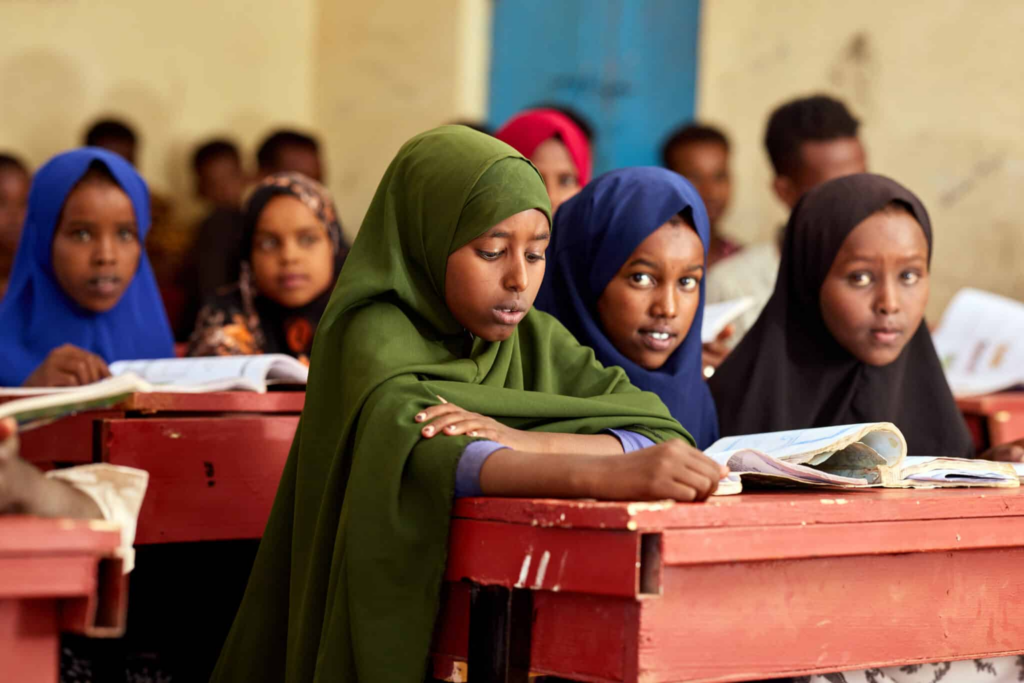
To fix these deep issues international donors need to invest more money in building schools in distant villages. They also need to train local teachers and give them good salaries so they do not abandon the countryside to work in big cities. Training female teachers is also very important because it encourages traditional families to send their daughters to school safely.
Read Also: How Adult Literacy Classes Can Transform Lives Later in Life
The future of the entire nation depends heavily on the success of Somali literacy progress. If the country continues to have a high number of people who cannot read or write it will struggle to build a strong economy or a stable government. True peace and development will only happen when a child in the most remote village has the same opportunity to hold a book and write their name as a child living in a wealthy city.